

ADVERTISEMENT
Wednesday, April 29, 2026
Tech | Business | Economy
No Result
View All Result
  • Technology
    • Trends
    • Telecoms
      • Broadband
    • ConsumerTech
      • Gadgets and Appliances
      • Apps
      • Accessories
      • Reviews
      • Unboxing
    • EnterpriseTECH
    • Security & Data Protection
    • How To
    • GameTech
  • Business
    • Company News
    • StartUPs
      • Founder’s Story
      • Funding
    • Deals
    • People & Moves
    • SME & Entrepreneur Focus
    • BUSINESS SENSE FOR SMEs
    • Competition & Market Positioning
    • Commerce & Mobility
    • Travel
    • WomenPreneurs
  • Economy
    • Macroeconomic Trends
      • Macro Monday
      • TE Insights
    • Finance
      • Banks
      • Fintech
      • Insurance
      • Digital Assets
      • Personal Finance
    • Policies
      • Tech & Society
    • Market Analysis
    • Jobs & Workforce Economy
  • Features
    • Guest Writer
      • Chidiverse
      • Digital Assets
    • EventDIARY
    • IndustryINFLUENCERS
    • MarkTECH
    • TBS
    • NewsEXTRA
  • Editorial
  • Brand Content
  • TECHECONOMY TV
Wednesday, April 29, 2026
Tech | Business | Economy
No Result
View All Result
Tech | Business | Economy
No Result
View All Result

Home » Keep Nigeria’s Payment Rails Open

Keep Nigeria’s Payment Rails Open

Article written by Benjamin Odey, a financial inclusion expert based in Lagos

Techeconomy by Techeconomy
September 4, 2025
in Company News
Reading Time: 3 mins read
0
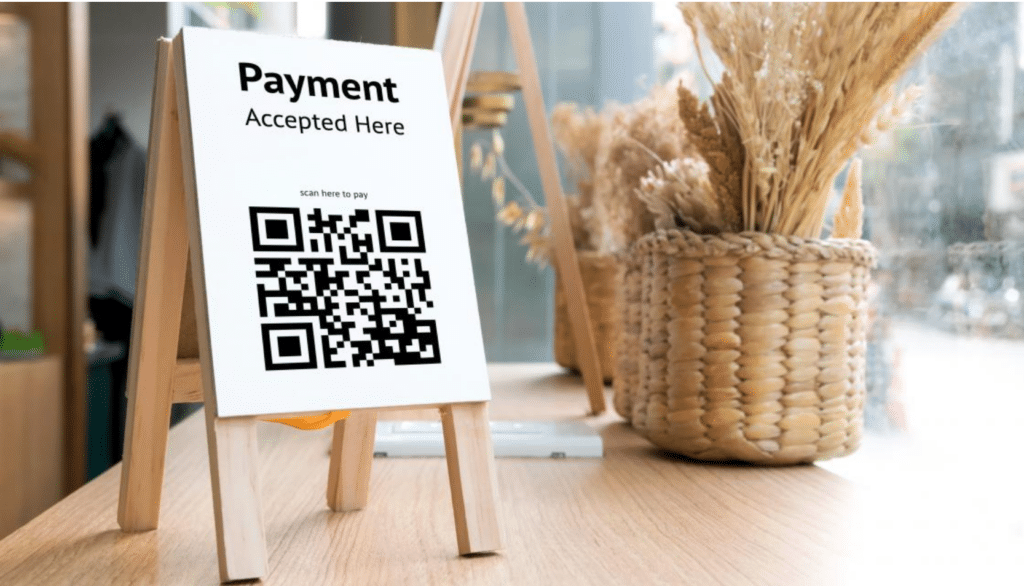
QR Codes Payment Market | Keep Nigeria’s Payment Rails Open

QR Codes Payment

The tomato seller no longer worries about cash she accepts transfers, card taps, and QR codes with the same ease.

That ordinariness hides a decade of deliberate engineering: Nigeria built open rails for money, where any wallet can pay any bank, QR codes talk across apps, and merchants accept payments from anywhere. It is one of the country’s few unambiguous macroeconomic bright spots.
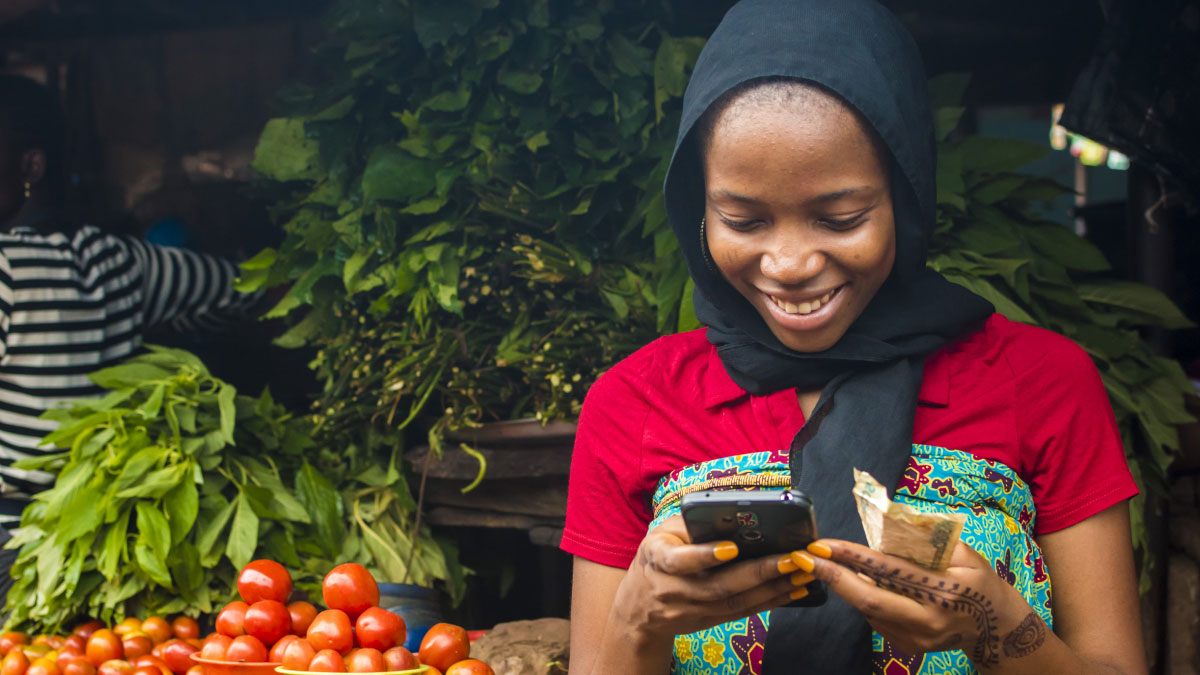
I4All - Financial Inclusion
A woman leveraging digital payment channel (Photo Credit: UNCTAD/Google)

The results speak for themselves. Cashless transactions reached ₦611 trillion in 2023 and surged past ₦1 quadrillion in 2024.

Real-time transfers are now the default way to pay. Competition has thrived because any licensed provider can reach any account.

Banks and fintechs compete on price, uptime, and user experience, not on closed networks. That is why Nigeria ranks among the world’s leaders in instant payments and why digital acceptance has become routine from petrol stations to roadside kiosks.

Subscribe to our Telegram channel for the latest updates.

Follow the latest developments with instant alerts on breaking news, top stories, and trending headlines.

Join Channel

The Central Bank of Nigeria (CBN) deserves credit for embedding interoperability in its Payments System Vision 2025 and requiring open access across issuers, acquirers, and switches.

The social payoff has been huge: financial inclusion climbed to 64% in 2023 from 56% just three years earlier, while exclusion fell to 26%. Tens of millions

now send money, save, or get paid without touching cash. Government transfers reach citizens faster, informal businesses formalize, and women, who face higher barriers gain safer ways to transact and build credit.

But one bottleneck risks undoing this progress: exclusivity in card processing. Domestic schemes such as Verve and AfriGo currently restrict processing to their proprietary switches.

This means merchants and consumers lose the same benefits they take for granted elsewhere: least-cost routing, redundancy when a processor goes down, and price competition.

It is a quiet form of rail capture, one that raises costs, concentrates power, and chills innovation.

This is not how we treat international card networks. Visa and Mastercard transactions can route through multiple processors, giving acquirers flexibility and merchants lower costs. Nor does exclusivity align with Nigeria’s own rules: QR frameworks demand interoperability, and open-banking guidelines widen, not narrow, access. Cards should be no different.

The fix is straightforward. We urge the CBN to mandate scheme-neutral switching, so any licensed processor that meets security standards can handle domestic cards.

Secondly, separate scheme governance from switching businesses to prevent self-dealing. Publish quarterly metrics on uptime, routing availability, and pricing to shine light on performance. These are familiar tools for regulators worldwide.

The urgency is clear. In 2024, more than 11 billion transactions moved across NIBSS rails. Each new merchant, wallet, or app adds value for every other user. Each carve-out does the opposite: it fragments the network and raises the price of trust.

Interoperability is not just a technical term; it is the constitutional principle of a modern digital economy. Nigeria has already shown the world what open payment rails can achieve, explosive growth, deeper competition, broader inclusion.

Keeping card processing as open as transfers is the logical next step. Do it now, and Nigeria will continue to lead. Delay, and we risk watching the tomato seller in Lagos once again ask, “What card do you carry?” before she can take your money.


0Shares

Previous Post

When the House Picks Favourites | The Quiet Power Play of Meta and Google in Nigeria’s Gaming Industry

Next Post

Bitget to Transfer 440 Million BGB to Morph Foundation, Accelerating BGB as Gas and Governance Token of Morph Chain

Techeconomy

Techeconomy

Related Posts

ipNX visits Idris Olorunnimbe of NCC

Ejovi Aror Leads ipNX Team to Visit NCC Chairman Idris Olorunnimbe

April 28, 2026
NASENI Clean Energy

NASENI Empowers 2000 Kano Households with Clean Energy Solutions

April 28, 2026

Reliable Payment Rails Key to Financial Inclusion, says TeamApt at PAFON 3.0

April 28, 2026
Load More
Next Post
Bitget and BGB

Bitget to Transfer 440 Million BGB to Morph Foundation, Accelerating BGB as Gas and Governance Token of Morph Chain

Leave a Reply Cancel reply

Your email address will not be published. Required fields are marked *

I agree to the Terms & Conditions and Privacy Policy.

This site uses Akismet to reduce spam. Learn how your comment data is processed.

Techeconomy Podcast
Techeconomy Podcast

The Techeconomy Podcast is a thought-leadership show exploring the powerful intersection of technology, business, and the economy, with a strong focus on Africa’s fast-evolving digital landscape.

PROTECTING INNOVATION IN AFRICA’S STARTUP ECOSYSTEM
byTecheconomy

Protecting Innovation in Africa’s Startup Ecosystem . A timely conversation for the future of African entrepreneurship.

PROTECTING INNOVATION IN AFRICA’S STARTUP ECOSYSTEM
April 29, 2026
Techeconomy
BUILDING TRUST IN AFRICA ECOSYSTEM
February 27, 2026
Techeconomy
Navigating a Career in Tech Sales
January 29, 2026
Techeconomy
How Technology is Transforming Education, Health, and Business
November 27, 2025
Techeconomy
INNOVATION IN MOBILE BANKING
October 30, 2025
Techeconomy
Search Results placeholder
  • About Us
  • Careers
  • Contact Us
  • Privacy Policy

© 2026 TECHECONOMY.

No Result
View All Result
  • Technology
  • Business
  • Economy
  • Features
  • Editorial
  • Brand Content
  • TECHECONOMY TV

© 2026 TECHECONOMY.

This website uses cookies. By continuing to use this website you are giving consent to cookies being used. Visit our Privacy and Cookie Policy.

