

ADVERTISEMENT
Friday, June 12, 2026
Tech | Business | Economy
No Result
View All Result
  • Technology
    • Trends
    • Telecoms
      • Broadband
    • ConsumerTech
      • Gadgets and Appliances
      • Apps
      • Accessories
      • Reviews
      • Unboxing
    • EnterpriseTECH
    • Security & Data Protection
    • How To
  • Business
    • Company News
    • StartUPs
      • Founder’s Story
      • Funding
    • Deals
    • People & Moves
    • SME & Entrepreneur Focus
    • BUSINESS SENSE FOR SMEs
    • Competition & Market Positioning
    • Commerce & Mobility
    • Travel
    • WomenPreneurs
  • Economy
    • Macroeconomic Trends
      • Macro Monday
      • TE Insights
    • Finance
      • Banks
      • Fintech
      • Insurance
      • Digital Assets
      • Personal Finance
    • Policies
      • Tech & Society
    • Market Analysis
    • Jobs & Workforce Economy
  • Features
    • Guest Writer
      • Chidiverse
      • Digital Assets
      • GameTech
    • EventDIARY
    • IndustryINFLUENCERS
    • MarkTECH
    • TBS
    • NewsEXTRA
  • Editorial
  • Brand Content
  • TECHECONOMY TV
Friday, June 12, 2026
Tech | Business | Economy
No Result
View All Result
Tech | Business | Economy
No Result
View All Result

Less than 12% Waste Recycling Unhealthy for Nigeria – Expert

Reporter: Tobi Adetunji

Techeconomy by Techeconomy
April 29, 2024
in Environment
Reading Time: 3 mins read
0
Transforming Waste into Wealth

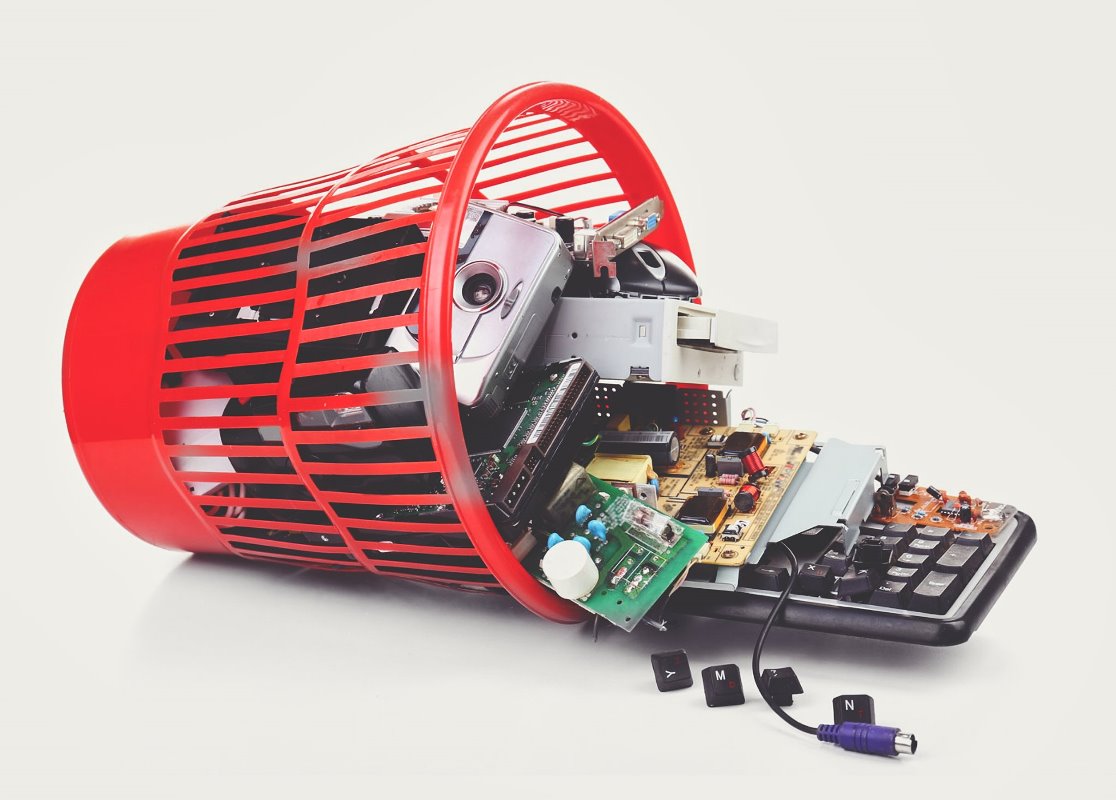
Electronics Waste

Chidiebere Ugwu, a member of the Coalition for Socioecological Transformation (CoSET), said the ability of Nigeria to recycle just 12% of its waste indicate a massive problem.

He made this known to our correspondent in an exclusive interview on Sunday.

According to the World Bank, Nigeria generates at least 32 million tonnes of solid waste annually, and this number is projected to rise to 107 million tonnes by 2050.

Similarly, the United Nation Organization (UNO), report indicated that of the 2.5 million plastic waste annually generated by Nigeria, it was able to recycle less than 12%, while the United Nations Industrial Development Organization (UNIDO), revealed that plastic consumption in Nigeria jumped by 116.26% percent within a period of 5 years to 1.25 million tons.

Reacting to the twin report of the United Nation Organizations  (UNO),  and the United Nations Industrial Development Organization (UNIDO), Chidiebere said:

“The report  brought to light a very alarming fact about Nigeria’s waste management system. This is a massive problem because it means that there are huge costs involved with dealing with all this rubbish; not just financial but also hidden ones such as pollution and health hazards among others.

Subscribe to our Telegram channel for the latest updates.

Follow the latest developments with instant alerts on breaking news, top stories, and trending headlines.

Join Channel

“In addition to being an economic burden,  these risks can have far-reaching effects on societies too, they impact climate change through things like emissions from landfill sites etcetera.”

Earlier, Jean Bakole, UNIDO’s Country representative said, Nigeria being the most populated nation in this part of the world, with the largest Gross Domestic Product (GDP), the nation’s plastic waste problem is on the increase.

Bakole said based on the increase consumption from 578,000 tonnes of plastics in 2007 to about 1,250,000 tonnes today.

Therefore, the per capital plastic consumption has grown by 5% annually from 4kg to 6.5kg. It is estimated that each citizen would  consume about 7kg of plastic per year.

Chidiebere, pegged the tripartite problem of waste management in Nigeria around; Proper education, Poor Funding and roles of waste pickers.

He noted that “the Pickers work on waste collection by waste pickers is often unrecognized because they are considered to be among the neglected few in the community. The nature of their jobs involves a lot of physical strength and poses many hazards, but still lacks any form of official recognition.

“There is no doubt that without them a lot could go wrong or be left undone especially considering this fact, despite being vital players in waste collection, awareness is not created about these people who remain invisible at that level nor supported enough”

More than a phrase, “trash-as-cash” should be seen as a change in attitude that can fundamentally alter our perspective.

‘If we think of the term recyclable in Naira signs, this can create a virtuous cycle with citizens, garbage collectors and corporations. Besides saving money by cutting waste disposal fees recycling also brings in revenue through selling reusable materials.

He also noted that,

“There is the education gap,  translating into low or zero public knowledge concerning correct handling of wastes.  He thus advised “policy makers to seek ways through which they will ensure that all citizens are well enlightened about solid management practices such as: recycling among others. Because lack thereof has been termed as second ignorance towards environmental conservation after illiteracy itself.

He charges state government to prioritize putting more money into waste management funding. “state governments need to prioritize funding for these two areas if we want them closed at all levels otherwise they will always exist like it does now since every sector needs money.

This can only happen when different tiers of government put into consideration financial matters relating with investment in infrastructure development especially those related to technology advancement within our country as well capacity building for sustainability on waste management systems generally but not limited only here.”

Over the years, the mismanagement of plastic waste by Nigerians was not only contaminating the ecosystem, but was also being released into the marine environment, thereby polluting it and threatening biodiversity and negatively impacting the blue economy. Mismanaged Plastic and ineffective waste management is also a source of greenhouse gas (GHG) emissions.


0Shares
Previous Post

Africa Data Centres Unveils ADC Channel Programme

Next Post

Specno CEO Gives Reasons Local Businesses Must Invest in AI Infrastructure

Techeconomy

Techeconomy

Related Posts

Sahara Go Recycling Hub in Masaka

Sahara Group Foundation Extends Recycling Solutions to Northern Nigeria with Masaka Hub

June 8, 2026
MTN Nigeria greenhouse gas emissions | facts behind the sustrainability

MTN Nigeria Cuts Greenhouse Gas Emissions 6.4%

May 27, 2026

Why Software is the New Hardware: Cutting Silicon Waste on Mother Earth Day 2026

April 28, 2026
Load More
Next Post
Local businesses must invest in AI Infrastructure - Jacques Jordaan

Specno CEO Gives Reasons Local Businesses Must Invest in AI Infrastructure

Leave a Reply Cancel reply

Your email address will not be published. Required fields are marked *

I agree to the Terms & Conditions and Privacy Policy.

This site uses Akismet to reduce spam. Learn how your comment data is processed.

Techeconomy Podcast
Techeconomy Podcast

The Techeconomy Podcast is a thought-leadership show exploring the powerful intersection of technology, business, and the economy, with a strong focus on Africa’s fast-evolving digital landscape.

Financing the Future: Venture Debt, Local Capital & African Innovation | TBS May 2026 Webinar
byTecheconomy

Africa’s innovation ecosystem is evolving, but where will the funding for the next generation of startups come from?

In this edition of the Techeconomy Business Series (TBS) May 2026, industry experts explore how local capital, venture debt, and smarter investment structures are redefining startup growth and innovation across Africa.

🎙️ Featured Speakers:

* Ebunoluwa Ashley-Dejo

* Damilare Davola

* Success Ajilore (STN & Accelerated Plus)

Key conversations in this webinar include:

✔️ The future of startup financing in Africa

✔️ Venture debt and alternative funding models

✔️ The role of local investors in scaling innovation

✔️ Sustainable investment strategies for African startups

✔️ Opportunities and challenges in the African tech ecosystem

Subscribe for more conversations shaping Africa’s digital economy and innovation landscape.

#TBS2026 #AfricanInnovation #VentureDebt #StartupFinance #TechInAfrica #Techeconomy #AfricanStartups #InnovationEconomy

Financing the Future: Venture Debt, Local Capital & African Innovation | TBS May 2026 Webinar
May 27, 2026
Techeconomy
PROTECTING INNOVATION IN AFRICA’S STARTUP ECOSYSTEM
April 29, 2026
Techeconomy
BUILDING TRUST IN AFRICA ECOSYSTEM
February 27, 2026
Techeconomy
Navigating a Career in Tech Sales
January 29, 2026
Techeconomy
How Technology is Transforming Education, Health, and Business
November 27, 2025
Techeconomy
Search Results placeholder
MTN Live It 100 Thematic Campaign
ADVERTISEMENT
  • About Us
  • Careers
  • Contact Us
  • Privacy Policy

© 2026 TECHECONOMY.

No Result
View All Result
  • Technology
  • Business
  • Economy
  • Features
  • Editorial
  • Brand Content
  • TECHECONOMY TV

© 2026 TECHECONOMY.

This website uses cookies. By continuing to use this website you are giving consent to cookies being used. Visit our Privacy and Cookie Policy.

