


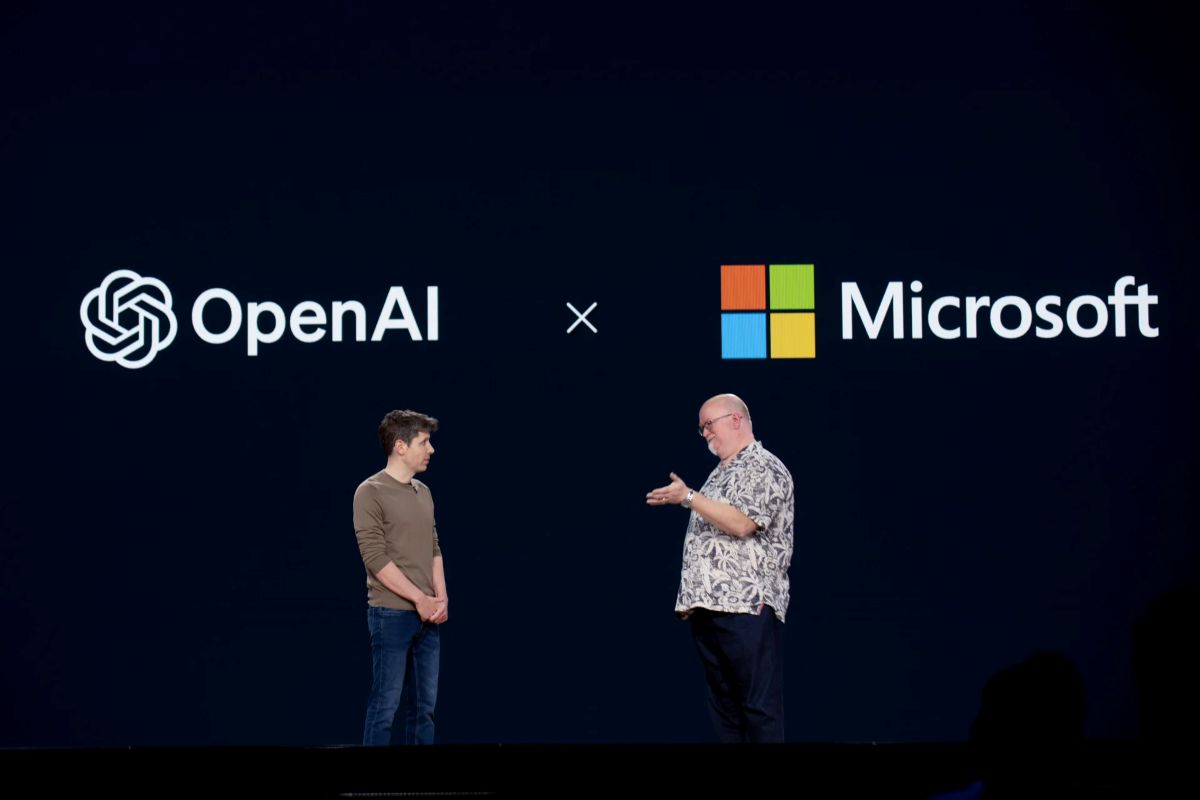
Microsoft and OpenAI have ended the exclusive part of their long-running partnership, allowing the company behind ChatGPT to sell its models and products through competing cloud platforms, including Amazon Web Services and Google Cloud.
Before now, Microsoft helped fund OpenAI’s rapid growth and used early access to its systems to build new tools across Windows, Office, Azure and other products.
Under the new agreement, Microsoft will remain OpenAI’s main cloud partner, but it will no longer have sole rights to host or distribute OpenAI technology.
That means OpenAI can now reach customers already using other cloud providers, instead of asking them to move to Microsoft Azure first.
Even so, OpenAI products are still expected to launch first on Azure unless Microsoft cannot, or chooses not to, support them.
Microsoft will also keep a non-exclusive licence to OpenAI’s intellectual property until 2032.
Another key change concerns money as Microsoft will no longer pay OpenAI a share of revenue from its own AI-related products. At the same time, OpenAI will continue paying Microsoft a 20% revenue share until 2030, though that amount now has a fixed upper limit.
Following the announcement, Microsoft shares fell about 1% in premarket trading on Monday, while Amazon and Alphabet, Google’s parent company, edged higher.
This means Microsoft has lost a strategic advantage, while its competitors now have a stronger path to offer OpenAI products through their own cloud services.
Still, aside from the exclusive deal, Microsoft is deeply tied to OpenAI. The software company owns about 27% of OpenAI, a stake estimated to be worth around $225 billion after OpenAI’s corporate restructuring last year.
The two companies have faced limitations in recent months, with reports in March saying Microsoft had considered going to court over a proposed $50 billion cloud deal involving Amazon and OpenAI that could have conflicted with earlier exclusivity terms.
There were also signs of stress inside OpenAI. Internal discussions reportedly revealed frustration that the old arrangement limited sales opportunities, especially among companies already committed to AWS or Google Cloud.
For OpenAI, the new structure provides room to expand faster and sell across more platforms.
For Microsoft, the deal removes exclusivity but secures long-term access to OpenAI technology while putting clearer limits on future payments.
For customers, it means more choice and less pressure to rely on a single cloud provider.



