

ADVERTISEMENT
Wednesday, June 10, 2026
Tech | Business | Economy
No Result
View All Result
  • Technology
    • Trends
    • Telecoms
      • Broadband
    • ConsumerTech
      • Gadgets and Appliances
      • Apps
      • Accessories
      • Reviews
      • Unboxing
    • EnterpriseTECH
    • Security & Data Protection
    • How To
  • Business
    • Company News
    • StartUPs
      • Founder’s Story
      • Funding
    • Deals
    • People & Moves
    • SME & Entrepreneur Focus
    • BUSINESS SENSE FOR SMEs
    • Competition & Market Positioning
    • Commerce & Mobility
    • Travel
    • WomenPreneurs
  • Economy
    • Macroeconomic Trends
      • Macro Monday
      • TE Insights
    • Finance
      • Banks
      • Fintech
      • Insurance
      • Digital Assets
      • Personal Finance
    • Policies
      • Tech & Society
    • Market Analysis
    • Jobs & Workforce Economy
  • Features
    • Guest Writer
      • Chidiverse
      • Digital Assets
      • GameTech
    • EventDIARY
    • IndustryINFLUENCERS
    • MarkTECH
    • TBS
    • NewsEXTRA
  • Editorial
  • Brand Content
  • TECHECONOMY TV
Wednesday, June 10, 2026
Tech | Business | Economy
No Result
View All Result
Tech | Business | Economy
No Result
View All Result

Home » Cashless Policy becoming more Realistic but the Banking System Already Overwhelmed

Cashless Policy becoming more Realistic but the Banking System Already Overwhelmed

Joan Aimuengheuwa by Joan Aimuengheuwa
February 3, 2023
in Finance
Reading Time: 2 mins read
1
Naira Redesign -- Cashless Policy becoming more Realistic but the Banking System Already Overwhelmed

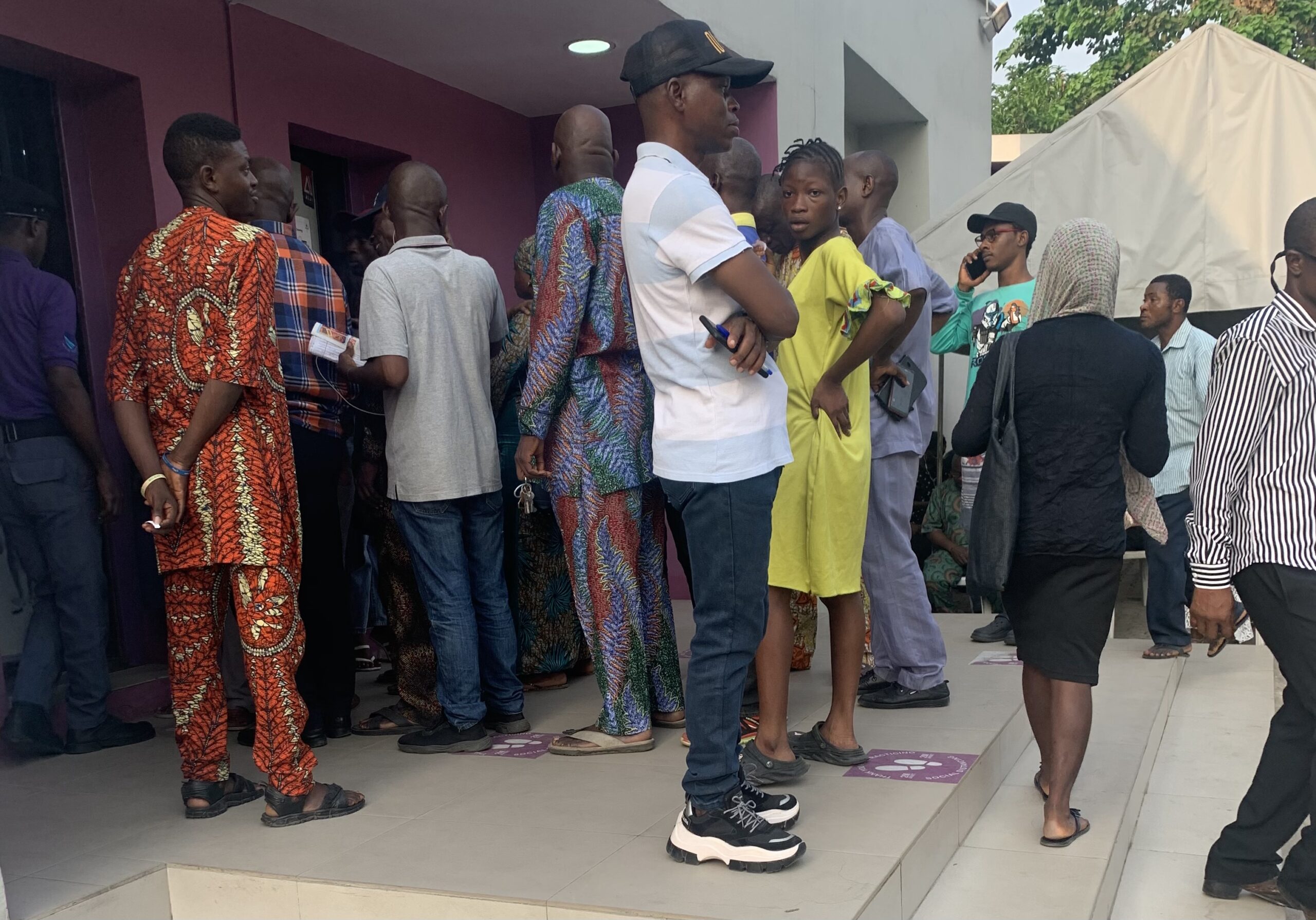
Early morning building queue at a Nigerian Bank

The Naira redesign has been followed by a period where everyone is now forced to utilize digital transactions, but the lack of ATM cash dispense and even the mobile banking apps built on convenience factor are disrupted by poor network connectivity, leaving people often stranded. 

As a result, ATMs are becoming fewer, and those that are available often run out of cash with little warning. The few that dispense cash are always crowded and lots of people don’t mind as POS vendors have parachuted their prices; you now use money to collect money – way beyond the initial N100 for N5,000 and below.

Bank transfers are expensive and slow, while app downloads are high pending issues with connectivity in most parts of the country. 

In the past few years, Nigeria has seen an increase in the number of mobile money leverage but the few days following the naira redesign and disposal of old notes has seen an even higher increase in this aspect. 

E-payment transactions in Nigeria hit a monthly all-time high of N33.2 trillion in August 2022. By November of the same year, there was a 145% surge.

Total transaction value in the Digital Payments segment was projected by Statista to reach $14.25 billion in 2023 — but it has gone beyond this following the naira redesign.

Subscribe to our Telegram channel for the latest updates.

Follow the latest developments with instant alerts on breaking news, top stories, and trending headlines.

Join Channel

However, the recent hiccups put together have placed a spotlight on the lack of an efficient banking system in the country.
Naira Redesign -- Cashless Policy becoming more Realistic but the Banking System Already Overwhelmed
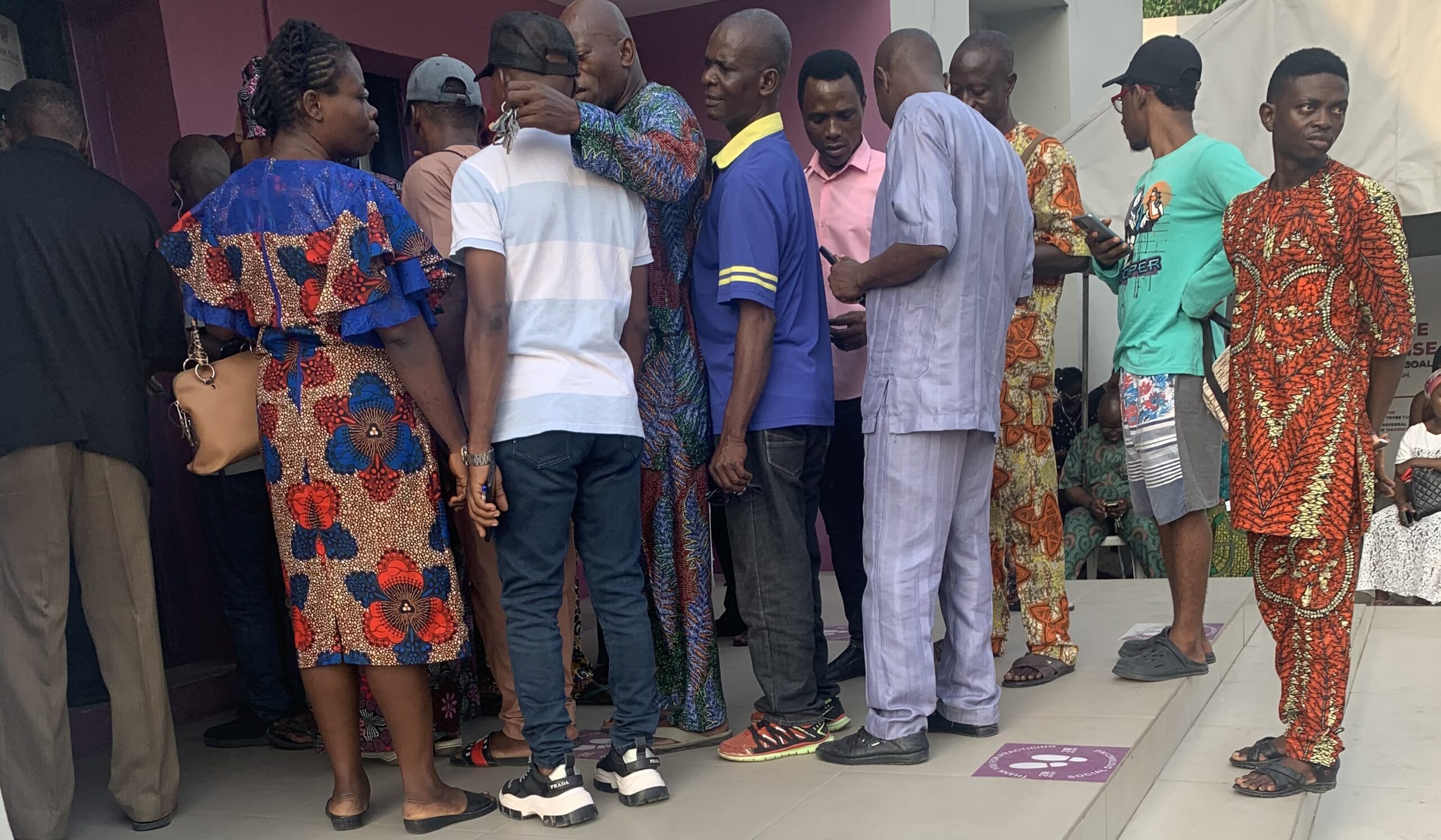
As of 8:09 am this morning, the queue was already cooking up at a Nigerian Bank

Connecting this to sustainability and resilience, an adequate banking system should be able to withstand stress irrespective of the situation that comes up. This just explains that we have a lot of work to do in the sector.

A lot of Nigerians are complaining about the poor working of ATM networks in Nigeria. They say that if you don’t have enough money, it is difficult to get access to your own money – reference to the exorbitant prices placed on cash withdrawals. If you can’t make a transfer, it is difficult for anyone to spend their money.

The success or failure of reforms depends on whether they can be put into practice. The Naira redesign is a good example of this; it has been implemented with some difficulty, but it shows that Nigeria’s banking system needs to put in more effort.

Conclusion

Nigeria’s banking system is not completely broken, but it could be better. A lot needs to be done to improve the network, make it more accessible, bring down costs, increase efficiency and transparency, as well as help people get access to their own money.


0Shares
Previous Post

Buhari Claims Starlink Has Given Nigeria 100% Broadband Penetration

Next Post

Digital Cooperation Organization to Host 2nd General Assembly in Riyadh

Joan Aimuengheuwa

Joan Aimuengheuwa

Joan thrives at helping individuals and businesses scale via storytelling...

Related Posts

Pension Fund - PFAs investment in FGN securities | Nigeria’s pension assets | Nigeria’s pension assets

Nigeria’s Pension Fund Assets Rise to N32 Trillion, Equal to 10.4% of GDP

June 10, 2026
Mark Okoye II SEDC | Senate

Senate Grills Mark Okoye Over ₦153m Spent on One-Room SEDC Liaison Office

June 10, 2026

Yuno Integration with Onafriq Opens 43 African Markets and One Billion Mobile Wallets to Global Merchants

June 9, 2026
Load More
Next Post
Digital Cooperation Organization

Digital Cooperation Organization to Host 2nd General Assembly in Riyadh

Comments 1

  1. Pingback: Unlocking Opportunities: Bridging the Gap Between B2B Startups and Nigeria's Informal Economy - Tech | Business | Economy

Leave a Reply Cancel reply

Your email address will not be published. Required fields are marked *

I agree to the Terms & Conditions and Privacy Policy.

This site uses Akismet to reduce spam. Learn how your comment data is processed.

Techeconomy Podcast
Techeconomy Podcast

The Techeconomy Podcast is a thought-leadership show exploring the powerful intersection of technology, business, and the economy, with a strong focus on Africa’s fast-evolving digital landscape.

Financing the Future: Venture Debt, Local Capital & African Innovation | TBS May 2026 Webinar
byTecheconomy

Africa’s innovation ecosystem is evolving, but where will the funding for the next generation of startups come from?

In this edition of the Techeconomy Business Series (TBS) May 2026, industry experts explore how local capital, venture debt, and smarter investment structures are redefining startup growth and innovation across Africa.

🎙️ Featured Speakers:

* Ebunoluwa Ashley-Dejo

* Damilare Davola

* Success Ajilore (STN & Accelerated Plus)

Key conversations in this webinar include:

✔️ The future of startup financing in Africa

✔️ Venture debt and alternative funding models

✔️ The role of local investors in scaling innovation

✔️ Sustainable investment strategies for African startups

✔️ Opportunities and challenges in the African tech ecosystem

Subscribe for more conversations shaping Africa’s digital economy and innovation landscape.

#TBS2026 #AfricanInnovation #VentureDebt #StartupFinance #TechInAfrica #Techeconomy #AfricanStartups #InnovationEconomy

Financing the Future: Venture Debt, Local Capital & African Innovation | TBS May 2026 Webinar
May 27, 2026
Techeconomy
PROTECTING INNOVATION IN AFRICA’S STARTUP ECOSYSTEM
April 29, 2026
Techeconomy
BUILDING TRUST IN AFRICA ECOSYSTEM
February 27, 2026
Techeconomy
Navigating a Career in Tech Sales
January 29, 2026
Techeconomy
How Technology is Transforming Education, Health, and Business
November 27, 2025
Techeconomy
Search Results placeholder
MTN Live It 100 Thematic Campaign
ADVERTISEMENT
  • About Us
  • Careers
  • Contact Us
  • Privacy Policy

© 2026 TECHECONOMY.

No Result
View All Result
  • Technology
  • Business
  • Economy
  • Features
  • Editorial
  • Brand Content
  • TECHECONOMY TV

© 2026 TECHECONOMY.

This website uses cookies. By continuing to use this website you are giving consent to cookies being used. Visit our Privacy and Cookie Policy.


