

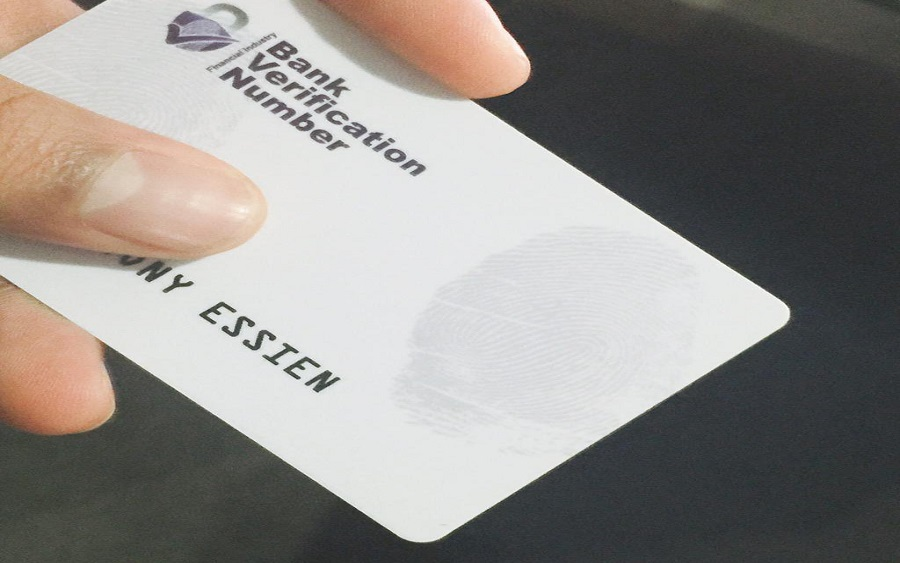
The Central Bank of Nigeria has rolled out new rules governing the Bank Verification Number, marking a significant tightening of security across Nigeria’s banking system.
The BVN changes, which take effect today, May 1, 2026, are aimed at curbing fraud, identity theft, and unauthorised account access, issues that have grown alongside digital banking adoption.
Here’s a clear breakdown of what has changed and what it means for you.
1. You Can Only Change Your BVN Phone Number Once
One of the most impactful updates is the lifetime limit on phone number changes linked to your BVN.
What this means:
- You can only update your BVN phone number once in your lifetime
- After that, no further changes will be allowed
Why it matters:
Fraudsters often exploit SIM swap schemes to hijack accounts. By restricting phone number changes, the CBN aims to close this loophole.
What you should do:
- Use a long-term, secure phone number
- Avoid frequent SIM swaps or temporary numbers
2. Your Account Can Be Temporarily Restricted
Banks are now empowered to place suspicious BVNs on a 24-hour watchlist.
What this means:
- If unusual activity is detected, your account may be temporarily restricted
- Transactions may be delayed or blocked during verification
Why it matters:
This allows banks to quickly intervene before fraud is completed.
What you should expect:
- You may be asked to verify your identity
- Restrictions are temporary but necessary for security checks
3. BVN Registration is Now Strictly for Adults
The new rules introduce a clear age restriction.
What this means:
- Only individuals 18 years and above can register for BVN independently
- Minors must be linked through guardian-controlled accounts
Why it matters:
This ensures stronger identity verification and reduces misuse of accounts opened in minors’ names.
4. One Banking App, One Device
CBN has introduced a one-device-per-app rule for mobile banking.
What this means:
- Your banking app can only be active on one device at a time
- Logging in on a new device automatically logs out the old one
Extra rule:
- New devices are capped at ₦20,000 transaction limit for the first 24 hours
Why it matters:
This reduces risks from stolen phones, cloned apps, or compromised login credentials.
What you should do is to only log in on trusted personal devices and expect temporary limits when switching phones
5. New BVN Rules Restrict Services to Official Channels
Access to BVN services is now tightly controlled.
What this means:
- Only CBN-approved banks and financial institutions can handle BVN updates
- Third-party agents and unofficial platforms are not allowed
Why it matters:
This prevents fraudsters from exploiting informal channels.
What you should do:
- Always go through your bank
- Avoid sharing BVN details with unverified platforms
What CBN is Trying to Achieve
Nigeria’s banking system has seen a surge in digital transactions, and with it, a rise in fraud attempts.
The new BVN rules are designed to strengthen identity verification, reduce SIM swap fraud, limit unauthorised access, and improve trust in digital banking. The new BVN rules may feel restrictive, but they are built around one core goal: protecting your money.
For bank customers, the shift is clear, more security, less flexibility. The safest approach going forward is keep your BVN details secure; use one trusted phone number; avoid switching devices unnecessarily, and deal only with your bank.
In Nigeria’s evolving digital finance landscape, security is no longer optional, it’s foundational.