ADVERTISEMENT
Friday, May 1, 2026
Tech | Business | Economy
No Result
View All Result
  • Technology
    • Trends
    • Telecoms
      • Broadband
    • ConsumerTech
      • Gadgets and Appliances
      • Apps
      • Accessories
      • Reviews
      • Unboxing
    • EnterpriseTECH
    • Security & Data Protection
    • How To
    • GameTech
  • Business
    • Company News
    • StartUPs
      • Founder’s Story
      • Funding
    • Deals
    • People & Moves
    • SME & Entrepreneur Focus
    • BUSINESS SENSE FOR SMEs
    • Competition & Market Positioning
    • Commerce & Mobility
    • Travel
    • WomenPreneurs
  • Economy
    • Macroeconomic Trends
      • Macro Monday
      • TE Insights
    • Finance
      • Banks
      • Fintech
      • Insurance
      • Digital Assets
      • Personal Finance
    • Policies
      • Tech & Society
    • Market Analysis
    • Jobs & Workforce Economy
  • Features
    • Guest Writer
      • Chidiverse
      • Digital Assets
    • EventDIARY
    • IndustryINFLUENCERS
    • MarkTECH
    • TBS
    • NewsEXTRA
  • Editorial
  • Brand Content
  • TECHECONOMY TV
Friday, May 1, 2026
Tech | Business | Economy
No Result
View All Result
Tech | Business | Economy
No Result
View All Result

Home » Nigeria’s Senate Fails to Make Real-Time Upload of Election Results Mandatory

Nigeria’s Senate Fails to Make Real-Time Upload of Election Results Mandatory

As the hallowed chambers of the National Assembly buzzed with heated debate...

Staff Writer by Staff Writer
February 4, 2026
in Company News
Reading Time: 2 mins read
0
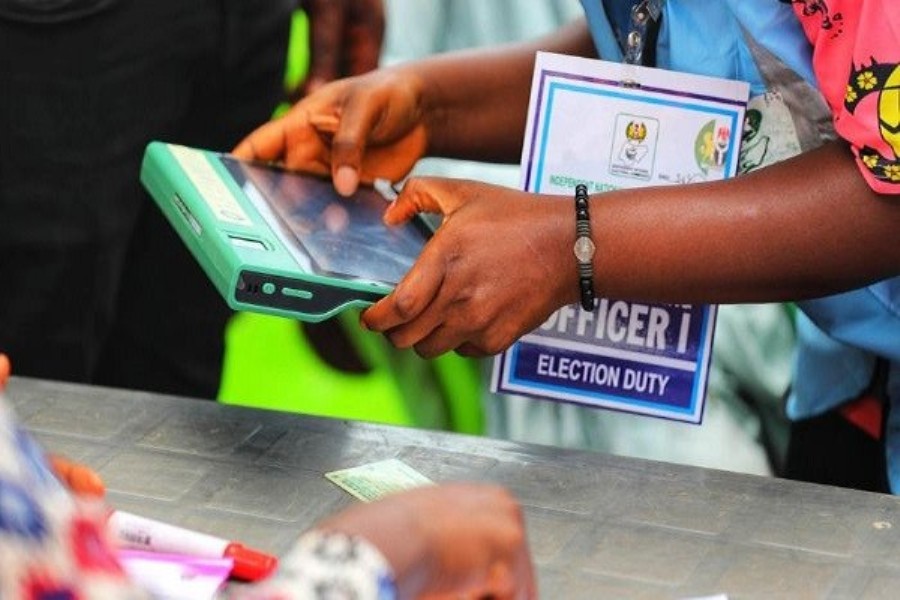
INEC IReV | upload of election results

INEC IReV

In a dramatic turn of events that has left many Nigerians holding their breath, the Senate rejected a key provision that would have mandated the real-time electronic transmission of election results, a reform widely viewed by citizens and civil society groups as crucial to ensuring transparency and fairness in the nation’s democratic process.

As the hallowed chambers of the National Assembly buzzed with heated debate, a palpable sense of anticipation had gripped the country.

For months, Nigerians had watched with cautious hope as lawmakers debated amendments to the Electoral Act 2022, reforms intended to strengthen the integrity of elections leading up to the pivotal 2027 polls.

Yet amidst that hope, yesterday brought disappointment and deep frustration.

Senators voted against a proposed amendment to Clause 60, Subsection 3, which would have required presiding officers at each polling unit to transmit results electronically to the Independent National Electoral Commission’s (INEC) IReV portal immediately after results were signed, stamped, and witnessed by party agents.

Subscribe to our Telegram channel for the latest updates.

Follow the latest developments with instant alerts on breaking news, top stories, and trending headlines.

Join Channel

Instead, the Senate chose to retain outdated wording that leaves the mode of transmission at INEC’s discretion.

For many Nigerians, particularly youth, activists, and groups fighting for electoral credibility, the decision has hit like a blow to the heart.

In communities where past elections have seen late-night wait times, delayed announcements, and deep suspicions of manipulation, the promise of instant transmission was more than a technical detail: it was a symbol of trust restored.

“I stood outside my polling unit for hours in the heat,” said one voter in Lagos who declined to give her name. “We were told the results would be on IReV quickly. But it only came late, and that created doubt in all our minds. To hear our lawmakers have now said no to instant upload, it feels like someone has taken a step backward.”

Civil society groups had repeatedly urged the National Assembly to adopt the real-time transmission clause, arguing it would deter manipulation and give citizens and parties near-instant insight into results as votes were counted.

But despite those calls, the Senate’s decision, coming as it also passed the broader Electoral Act Amendment Bill 2026, has highlighted persistent divisions over how best to secure credible elections.

Lawmakers debated fiercely, weighing concerns about infrastructure readiness and logistical challenges against the democratic demand for greater openness.

For some, the Senate’s choice represents cautious pragmatism. But for many ordinary Nigerians, parents, students, and first-time voters alike, the moment has stirred a sorrow that democracy’s march toward transparency remains fraught.

“This isn’t just about technology,” said a civil rights advocate in Abuja. “It’s about whether the voices of millions of Nigerians are truly seen and heard. Without clear, real-time transmission, we risk repeating the same old patterns of skepticism and distrust.”

As the nation looks ahead to elections that will shape its future, yesterday’s decision will likely reverberate far beyond the corridors of power, in homes, schools, markets, and online forums where ordinary Nigerians continue to debate, hope, and demand a democracy that lives up to its promise.


0Shares

Previous Post

Green Africa Acquires Second Aircraft Financed by Access Bank

Next Post

Securonix Appoints Bassam Sartawi Senior Director MEA Region

Staff Writer

Staff Writer

Related Posts

TD Africa and ASUS

TD Africa, ASUS Deepens Market Presence at Partner Event Summit Nigeria 2026

April 29, 2026
World Health Summit Regional Meeting in Nairobi, Kenya

World Health Summit Regional Meeting 2026 Opens in Nairobi

April 29, 2026

FRSC & BSG Renew Pact to Tackle Drink-Driving

April 29, 2026
Load More
Next Post
Bassam Sartawi, Senior Director -MEA, Securonix -

Securonix Appoints Bassam Sartawi Senior Director MEA Region

Leave a Reply Cancel reply

Your email address will not be published. Required fields are marked *

I agree to the Terms & Conditions and Privacy Policy.

This site uses Akismet to reduce spam. Learn how your comment data is processed.

Techeconomy Podcast
Techeconomy Podcast

The Techeconomy Podcast is a thought-leadership show exploring the powerful intersection of technology, business, and the economy, with a strong focus on Africa’s fast-evolving digital landscape.

PROTECTING INNOVATION IN AFRICA’S STARTUP ECOSYSTEM
byTecheconomy

Protecting Innovation in Africa’s Startup Ecosystem . A timely conversation for the future of African entrepreneurship.

PROTECTING INNOVATION IN AFRICA’S STARTUP ECOSYSTEM
April 29, 2026
Techeconomy
BUILDING TRUST IN AFRICA ECOSYSTEM
February 27, 2026
Techeconomy
Navigating a Career in Tech Sales
January 29, 2026
Techeconomy
How Technology is Transforming Education, Health, and Business
November 27, 2025
Techeconomy
INNOVATION IN MOBILE BANKING
October 30, 2025
Techeconomy
Search Results placeholder
  • About Us
  • Careers
  • Contact Us
  • Privacy Policy

© 2026 TECHECONOMY.

No Result
View All Result
  • Technology
  • Business
  • Economy
  • Features
  • Editorial
  • Brand Content
  • TECHECONOMY TV

© 2026 TECHECONOMY.

This website uses cookies. By continuing to use this website you are giving consent to cookies being used. Visit our Privacy and Cookie Policy.