


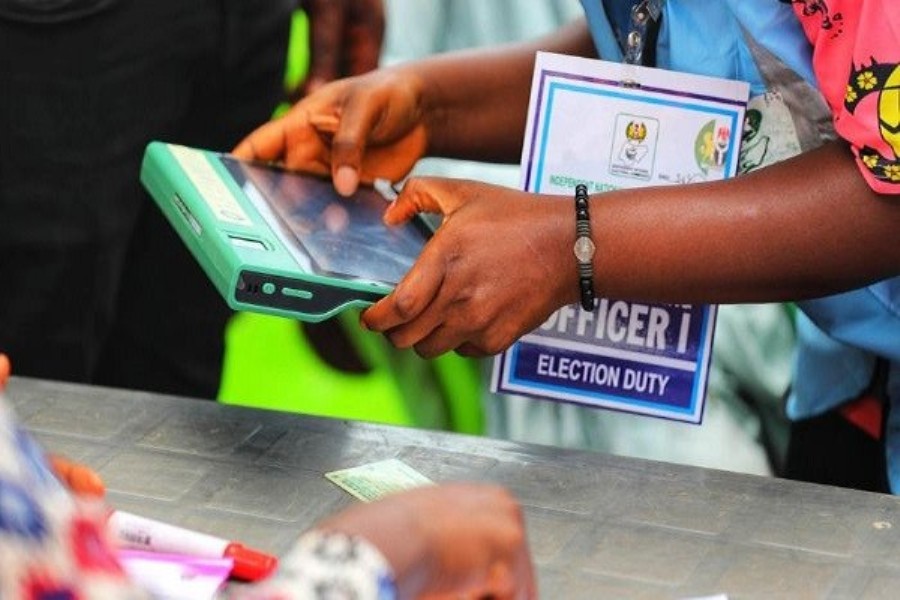
In a dramatic turn of events that has left many Nigerians holding their breath, the Senate rejected a key provision that would have mandated the real-time electronic transmission of election results, a reform widely viewed by citizens and civil society groups as crucial to ensuring transparency and fairness in the nation’s democratic process.
As the hallowed chambers of the National Assembly buzzed with heated debate, a palpable sense of anticipation had gripped the country.
For months, Nigerians had watched with cautious hope as lawmakers debated amendments to the Electoral Act 2022, reforms intended to strengthen the integrity of elections leading up to the pivotal 2027 polls.
Yet amidst that hope, yesterday brought disappointment and deep frustration.
Senators voted against a proposed amendment to Clause 60, Subsection 3, which would have required presiding officers at each polling unit to transmit results electronically to the Independent National Electoral Commission’s (INEC) IReV portal immediately after results were signed, stamped, and witnessed by party agents.
Instead, the Senate chose to retain outdated wording that leaves the mode of transmission at INEC’s discretion.
For many Nigerians, particularly youth, activists, and groups fighting for electoral credibility, the decision has hit like a blow to the heart.

In communities where past elections have seen late-night wait times, delayed announcements, and deep suspicions of manipulation, the promise of instant transmission was more than a technical detail: it was a symbol of trust restored.
“I stood outside my polling unit for hours in the heat,” said one voter in Lagos who declined to give her name. “We were told the results would be on IReV quickly. But it only came late, and that created doubt in all our minds. To hear our lawmakers have now said no to instant upload, it feels like someone has taken a step backward.”
Civil society groups had repeatedly urged the National Assembly to adopt the real-time transmission clause, arguing it would deter manipulation and give citizens and parties near-instant insight into results as votes were counted.
But despite those calls, the Senate’s decision, coming as it also passed the broader Electoral Act Amendment Bill 2026, has highlighted persistent divisions over how best to secure credible elections.
Lawmakers debated fiercely, weighing concerns about infrastructure readiness and logistical challenges against the democratic demand for greater openness.
For some, the Senate’s choice represents cautious pragmatism. But for many ordinary Nigerians, parents, students, and first-time voters alike, the moment has stirred a sorrow that democracy’s march toward transparency remains fraught.
“This isn’t just about technology,” said a civil rights advocate in Abuja. “It’s about whether the voices of millions of Nigerians are truly seen and heard. Without clear, real-time transmission, we risk repeating the same old patterns of skepticism and distrust.”
As the nation looks ahead to elections that will shape its future, yesterday’s decision will likely reverberate far beyond the corridors of power, in homes, schools, markets, and online forums where ordinary Nigerians continue to debate, hope, and demand a democracy that lives up to its promise.