| By: Francis Onyemachi
The Nigeria Labour Congress (NLC) has called on the Nigeria Employers’ Consultative Association (NECA) to work with organised labour to develop a governance framework that will ensure artificial intelligence (AI) does not threaten workers’ jobs.
The union made the call at the 69th Annual General Meeting of NECA held in Lagos on Tuesday, saying technological innovation must not come at the expense of workers’ rights and dignity.
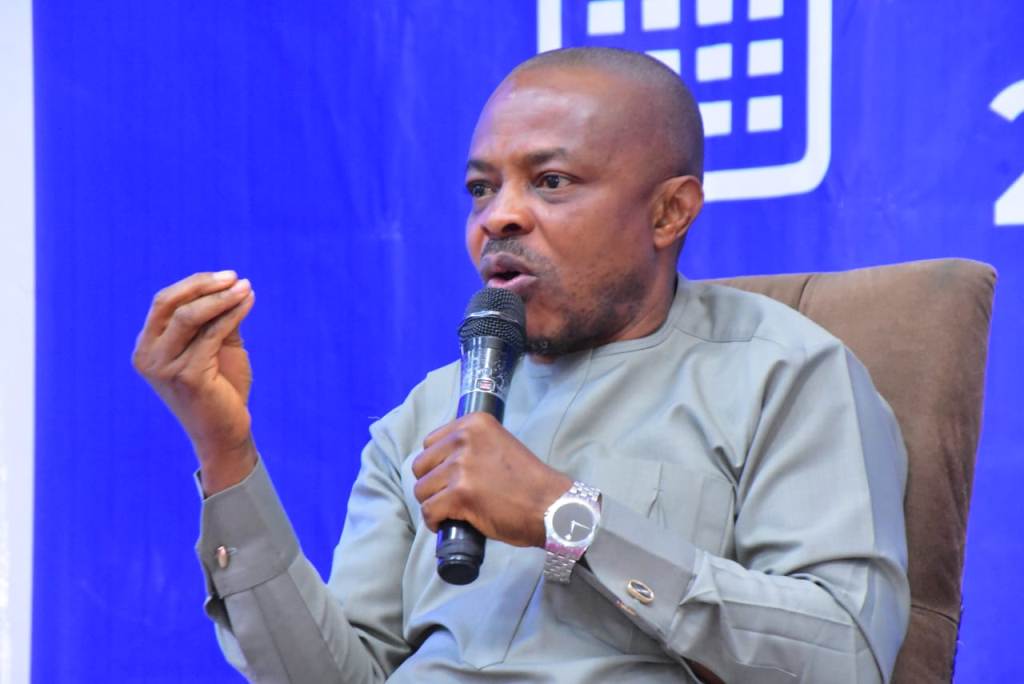
Speaking at the event on behalf of Joe Ajaero, NLC president, Adewale Adeyanju, the union’s deputy president, acknowledged the importance of AI across industries but warned that safeguards must be put in place to prevent job losses.
“Technology and Artificial intelligence are shaping the working class in the workplace, and we must make a fundamental choice. Will this technology serve humanity, or will it become a tool? Innovation must never excuse human dignity,” he said.
Adeyanju urged NECA to partner with the NLC in developing policies that would ensure AI supports productivity without replacing workers on a large scale or weakening their rights.
“We call on NECA to join us in crafting governance frameworks that ensure that the mass technology does not lead to the mass replacement of workers or the erosion of their rights,” he said.
He also said the long-term success of any business depends on the welfare, commitment and unity of its workforce.
On the issue of workers’ pay, Adeyanju urged NECA to play a constructive role as discussions on a new national minimum wage draw closer.
He said the NLC expected employers to support a wage that reflects current economic realities.
He dismissed reports suggesting a proposed minimum wage of N100,000, describing the figure as a political statement linked to the 2027 election season rather than an official position in the wage negotiations.
“We need you to work with us, not against us, to place our employers among international best practices. A fair wage is not challenging. It is social injustice, and before economic growth, we must collectively stop this slavery to society, where the gap between the rich and the poor will burst on its own terms,” he added.
Meanwhile, Muhammadu Maigari Dingyadi, minister of Labour and Employment explained that the ongoing reforms of the federal government will succeed largely on the performance of the private sector and its capacity to create jobs, invest and drive innovation.
“Nigeria is currently undergoing one of the most comprehensive economic reform programmes in its history. The government alone cannot create all jobs. Sustainable employment will continue to come from businesses that invest, innovate, expand production and create opportunities for Nigerians,” the minister said.
Dingyadi added that the government’s reform agenda is aimed at strengthening macroeconomic stability, encouraging private sector investment, improving institutions and building a more resilient economy capable of delivering shared prosperity.