

ADVERTISEMENT
Wednesday, May 6, 2026
Tech | Business | Economy
No Result
View All Result
  • Technology
    • Trends
    • Telecoms
      • Broadband
    • ConsumerTech
      • Gadgets and Appliances
      • Apps
      • Accessories
      • Reviews
      • Unboxing
    • EnterpriseTECH
    • Security & Data Protection
    • How To
    • GameTech
  • Business
    • Company News
    • StartUPs
      • Founder’s Story
      • Funding
    • Deals
    • People & Moves
    • SME & Entrepreneur Focus
    • BUSINESS SENSE FOR SMEs
    • Competition & Market Positioning
    • Commerce & Mobility
    • Travel
    • WomenPreneurs
  • Economy
    • Macroeconomic Trends
      • Macro Monday
      • TE Insights
    • Finance
      • Banks
      • Fintech
      • Insurance
      • Digital Assets
      • Personal Finance
    • Policies
      • Tech & Society
    • Market Analysis
    • Jobs & Workforce Economy
  • Features
    • Guest Writer
      • Chidiverse
      • Digital Assets
    • EventDIARY
    • IndustryINFLUENCERS
    • MarkTECH
    • TBS
    • NewsEXTRA
  • Editorial
  • Brand Content
  • TECHECONOMY TV
Wednesday, May 6, 2026
Tech | Business | Economy
No Result
View All Result
Tech | Business | Economy
No Result
View All Result

Home » ‘Over 1000 Fibre Cable Cuts Every Month’, Carl Cruz Speaks on Challenges of Telecoms Sector in Nigeria

‘Over 1000 Fibre Cable Cuts Every Month’, Carl Cruz Speaks on Challenges of Telecoms Sector in Nigeria

…goes beyond disrupting services to also escalating operational costs

Joan Aimuengheuwa by Joan Aimuengheuwa
August 13, 2024
in Telecoms
Reading Time: 3 mins read
3
‘Over 1000 Fibre Cable Cuts Every Month’, Carl Cruz Speaks on Challenges of Telecoms Sector in Nigeria

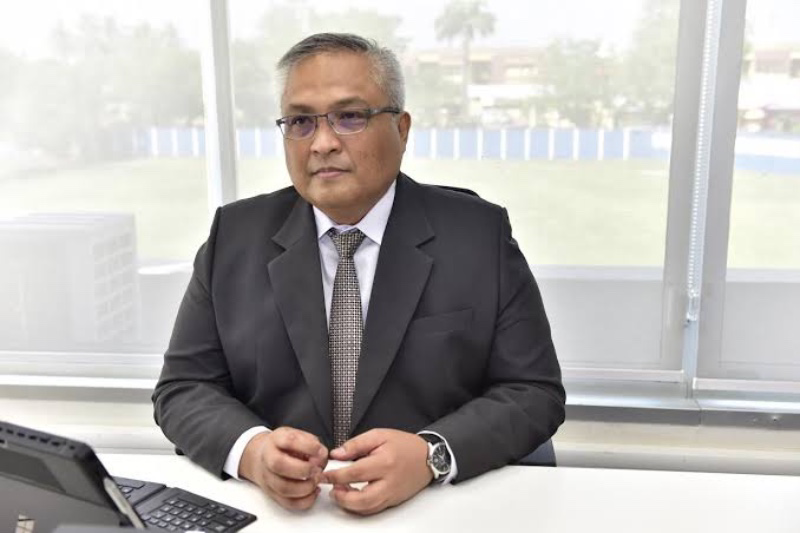
Carl Cruz, the CEO of Airtel Nigeria

The Nigerian telecoms industry, a two-decade-old sector, is at a juncture that demands strategic investments to sustain its future. 

Carl Cruz, the CEO of Airtel Nigeria, has brought to light the pressing issue that threatens the stability and efficiency of the telecoms infrastructure. This is the alarming rate of fibre optic cable cuts, with approximately 1,000 incidents reported monthly.

“Not many of you know, but the number of cuts that we have on our fibre optic cables, and I’m speaking for Airtel, on a monthly basis is over 1000,” Carl Cruz said at the Telecoms Industry 2.0: The Next Investment Frontier in Nigeria, organised by Financial Derivatives Company (FDC) in Lagos today.

Noting the gravity of the situation, Cruz pointed out that these fibre optic cable cuts go beyond disrupting services to also escalating operational costs, ultimately impacting the quality of service delivery across the country, limiting seamless and reliable connectivity to customers. 

“This challenge is not just a technical issue but a financial burden on the industry,” Cruz stated.

Subscribe to our Telegram channel for the latest updates.

Follow the latest developments with instant alerts on breaking news, top stories, and trending headlines.

Join Channel

The fibre optic cables cut issue is compounded by Nigeria’s challenging economic environment, where inflation and currency devaluation have made it difficult for telecom companies to maintain stable operations. Cruz highlighted that these infrastructure challenges are pushing the industry towards an urgent point, where sustained investments are necessary to avoid further decline.

The Nigerian telecoms industry has steadily seen commendable success, driving connectivity and digital growth across the nation. However, as Cruz pointed out, the industry is now at a crossroads where the need for investment in infrastructure, particularly in securing and expanding fibre networks, is paramount.

“Without a secure and resilient infrastructure, the gains of the past two decades could be affected, and the possibility for future growth limited,” he cautioned.

The telecoms industry is at a point where it’s looking to explore new investment opportunities, particularly in 5G deployment and expanding broadband access to underserved areas. However, the tough issue of fibre optic cable cuts is a huge barrier to these advancements. 

“If we don’t invest in growing capacity in this industry, it’s not just the companies that will suffer—the entire country will be affected in the near future. Therefore, investment must continue, and ideally, at the pace we saw in previous years.” Cruz said.

With the increasing demand for data and the growing reliance on digital services, the pressure on telecom infrastructure has never been greater. Cruz called for a joint effort from both the private sector and government to address these challenges, noting that collaboration is key to ensuring the industry’s long-term viability.

The next phase of growth for the telecoms sector will hinge on how effectively these issues are addressed, projecting how Telecoms Industry 2.0 in Nigeria will come along.


0Shares

Previous Post

‘We’re in a Deep Crisis’ – MTN CEO Karl Toriola Warns of Telecoms Industry’s Imminent Collapse

Next Post

Everything Announced at Made by Google 2024: AI-Powered Pixel 9 Series, Groundbreaking Pixel Fold, and Life-Saving Wearables

Joan Aimuengheuwa

Joan Aimuengheuwa

Joan thrives at helping individuals and businesses scale via storytelling...

Related Posts

Arista Networks Nigeria data centres energy efficiency

Arista, Partners Promise 30% Power Savings for Nigeria’s Data Centres as Demand Increases

May 5, 2026
Active GSM Subscribers in Nigeria 2022, SIM Cards, NCC | SIM Recycling

Fixing the Real Problem with Nigeria’s SIM Recycling System

May 5, 2026

Two Telcos Account for 85% of Nigeria’s Subscriber Base in Q1 2026

May 4, 2026
Load More
Next Post
Everything Announced at Made by Google 2024: AI-Powered Pixel 9 Series, Groundbreaking Pixel Fold, and Life-Saving Wearables

Everything Announced at Made by Google 2024: AI-Powered Pixel 9 Series, Groundbreaking Pixel Fold, and Life-Saving Wearables

Comments 3

  1. Pingback: IHS Towers Lays Off 100+ Employees, Reports $1.9 Billion Loss in Nigeria
  2. Pingback: Telecom Sector Faces ₦11bn Hit Annually from Vandalism, Fibre-Cuts
  3. Pingback: Global Telecoms Revenue to Hit $1.3 Trillion by 2028, but Nigeria’s ARPU Declines Amid Fixed-Line Growth

Leave a Reply Cancel reply

Your email address will not be published. Required fields are marked *

I agree to the Terms & Conditions and Privacy Policy.

This site uses Akismet to reduce spam. Learn how your comment data is processed.

Techeconomy Podcast
Techeconomy Podcast

The Techeconomy Podcast is a thought-leadership show exploring the powerful intersection of technology, business, and the economy, with a strong focus on Africa’s fast-evolving digital landscape.

PROTECTING INNOVATION IN AFRICA’S STARTUP ECOSYSTEM
byTecheconomy

Protecting Innovation in Africa’s Startup Ecosystem . A timely conversation for the future of African entrepreneurship.

PROTECTING INNOVATION IN AFRICA’S STARTUP ECOSYSTEM
April 29, 2026
Techeconomy
BUILDING TRUST IN AFRICA ECOSYSTEM
February 27, 2026
Techeconomy
Navigating a Career in Tech Sales
January 29, 2026
Techeconomy
How Technology is Transforming Education, Health, and Business
November 27, 2025
Techeconomy
INNOVATION IN MOBILE BANKING
October 30, 2025
Techeconomy
Search Results placeholder
  • About Us
  • Careers
  • Contact Us
  • Privacy Policy

© 2026 TECHECONOMY.

No Result
View All Result
  • Technology
  • Business
  • Economy
  • Features
  • Editorial
  • Brand Content
  • TECHECONOMY TV

© 2026 TECHECONOMY.

This website uses cookies. By continuing to use this website you are giving consent to cookies being used. Visit our Privacy and Cookie Policy.

