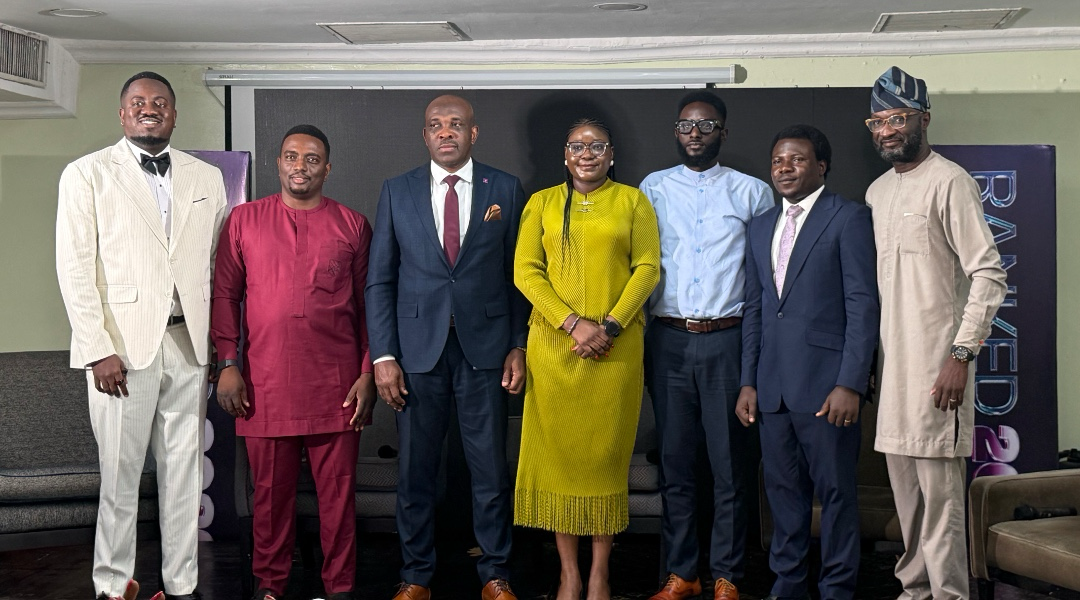
The digital media sector in Africa can no longer rely on clicks and page views alone, speakers at the launch of RANKED Report 2026 said on Thursday, warning that trust, direct audience relationships and niche influence are now more important than raw traffic.
The report, produced by SquirrelPR, examined how digital news media is performing across 13 African countries, providing insight into audience growth, influence and changing consumption habits.
A panel session titled Winning the Digital Attention War brought experts from media, banking and communications who agreed that the old model of chasing website traffic is under pressure from social media, creators and artificial intelligence.
The session, moderated by Ifeanyi Abraham, PR director, CIG Motors, comprised panellists including Múyiwa Mátuluko, chief executive officer, Techpoint Africa; Rasheed Bolarinwa, head of Brand Marketing and Communications, Polaris Bank; Damilola Bright-Ukwenga, PR and communications professional; and Olufemi Ajasa, online editor, Vanguard Newspaper.
Traffic no longer enough
Mátuluko said media companies should stop trying to be everything to everyone and instead build focused platforms for specific industries.
He said Techpoint is expanding into specialist brands such as finance, energy and agriculture, targeting engaged professional audiences rather than chasing mass numbers.
“We’re taking conversation away from traffic,” he said.
He added that advertisers now care more about credibility and access to the right audience than vanity metrics.
For him, a smaller but trusted niche audience can be more valuable than millions of casual visits.
Brands want conversion, not impressions
Bolarinwa said marketing budgets are now under greater review, with senior executives demanding measurable returns.
He said old benchmarks such as impressions and follower counts are losing importance.
“Nobody’s going to talk about that anymore, conversion, trust and influence.”
He added that brands are already shifting spending toward niche publishers, creators and platforms with stronger communities.
Using Polaris Bank’s digital product launches as an example, he said specialist tech media played a major role in reaching the right market.
Legacy media says journalism still wins
Ajasa defended established publishers, saying strong reporting, community presence and credibility are their biggest strengths.
He said Vanguard still invests in reporters across Nigeria and focuses on solving real audience problems through practical journalism.
He mentioned projects such as flood coverage and cost-of-living reports.
“What we do is journalism, and the fabric of journalism has not changed.”
Ajasa also pushed back against claims that legacy outlets depend on sensational headlines, saying digital operations now combine speed with verification.
“We have built a work system that solves the problem of speed and accuracy, without compromising quality.”
PR industry turns to creators
Bright-Ukwenga said brands now use creators and smaller influencers from the planning stage of campaigns, not as an afterthought.
She said many creators hold stronger trust with followers than larger celebrity influencers.
“The earlier brands begin to look in their direction, the better for that brand, because you would always be in conversations.”
She added that some brands now maintain private circles of trusted creators who can amplify campaigns in a more natural way.
AI changing search, teams and workflows
Artificial intelligence was one of the biggest themes of the session.
Mátuluko said publishers should not panic but adapt quickly.
“AI is not going to replace you. No, it’s basically the person using AI that will replace you.”
He revealed that Techpoint already uses an AI-powered reporter for routine updates, with human editors reviewing output before publication.
Ajasa said AI is also hurting referral traffic from search engines, forcing publishers to build direct audience relationships through newsletters, podcasts and first-party data.
“The search traffic is going down.”
Bolarinwa said AI can improve speed and automate tasks, but originality still matters.
“You can’t compare what I write to what AI will write.”
Warning against dependence on Big Tech
Several speakers warned African media businesses against over-reliance on platforms such as Google, X and TikTok.
Mátuluko said publishers must own direct relationships with audiences through email lists, events, reports, courses and communities.
“We have WhatsApp, we have a newsletter, we have podcasts, but I still want my own audience.”
Bolarinwa added that African companies should begin building stronger home-grown digital platforms.
What RANKED 2027 should track
Panel members at the launch of RANKED 2026 report urged the team to expand future editions to include the creator economy, partnership revenue, events, trust signals and verified analytics.
They also called for stronger measurement of global versus local audiences, warning that percentages alone can distort the scale of a publisher’s reach.