

ADVERTISEMENT
Saturday, May 16, 2026
Tech | Business | Economy
No Result
View All Result
  • Technology
    • Trends
    • Telecoms
      • Broadband
    • ConsumerTech
      • Gadgets and Appliances
      • Apps
      • Accessories
      • Reviews
      • Unboxing
    • EnterpriseTECH
    • Security & Data Protection
    • How To
  • Business
    • Company News
    • StartUPs
      • Founder’s Story
      • Funding
    • Deals
    • People & Moves
    • SME & Entrepreneur Focus
    • BUSINESS SENSE FOR SMEs
    • Competition & Market Positioning
    • Commerce & Mobility
    • Travel
    • WomenPreneurs
  • Economy
    • Macroeconomic Trends
      • Macro Monday
      • TE Insights
    • Finance
      • Banks
      • Fintech
      • Insurance
      • Digital Assets
      • Personal Finance
    • Policies
      • Tech & Society
    • Market Analysis
    • Jobs & Workforce Economy
  • Features
    • Guest Writer
      • Chidiverse
      • Digital Assets
      • GameTech
    • EventDIARY
    • IndustryINFLUENCERS
    • MarkTECH
    • TBS
    • NewsEXTRA
  • Editorial
  • Brand Content
  • TECHECONOMY TV
Saturday, May 16, 2026
Tech | Business | Economy
No Result
View All Result
Tech | Business | Economy
No Result
View All Result

Home » States Worst Hit by Inflation in April 2026

States Worst Hit by Inflation in April 2026

The rising inflation figures reflect the broader economic pressures facing consumers nationwide

Destiny Eseaga by Destiny Eseaga
May 16, 2026
in Market Analysis
Reading Time: 3 mins read
0
Mitigating Inflation

Mitigating Inflation

Many Nigerian states recorded sharp increases in inflation in April 2026 as rising food prices, transportation costs, and energy expenses continued to affect households across the country.

Data released by the National Bureau of Statistics alongside the April inflation report showed that some states experienced significantly higher inflationary pressure than the national average of 15.69 percent.

Analysts say the states most affected were largely those facing higher logistics costs, food supply disruptions, insecurity affecting farming activities, and elevated transportation expenses.

Food inflation remained the strongest driver across many states, particularly in areas heavily dependent on inter-state movement of agricultural produce.

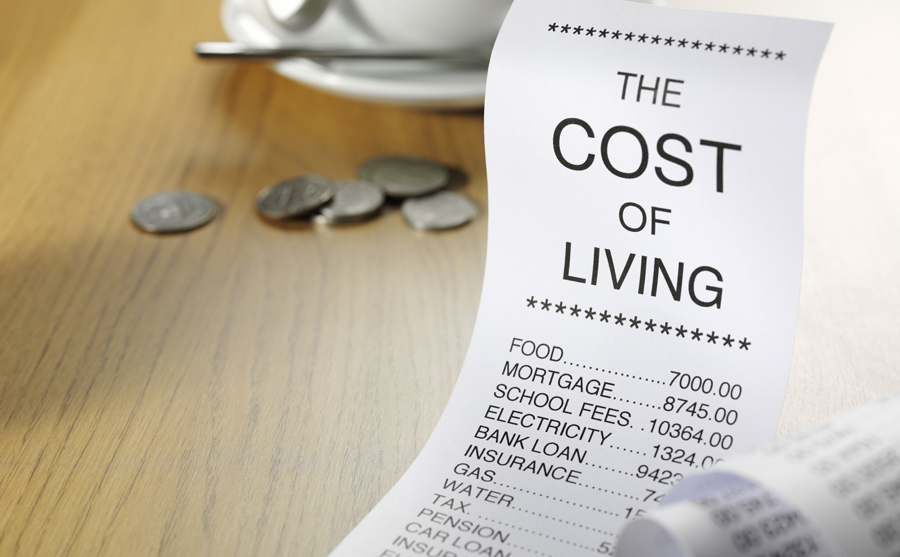
The rising inflation figures reflect the broader economic pressures facing consumers nationwide as fuel costs, electricity expenses, and exchange rate volatility continue to affect prices of goods and services.

Subscribe to our Telegram channel for the latest updates.

Follow the latest developments with instant alerts on breaking news, top stories, and trending headlines.

Join Channel

Economic experts note that inflationary pressure tends to vary across states depending on local production capacity, transportation infrastructure, insecurity levels, urban demand concentration, and access to stable supply chains.

The latest figures are expected to intensify concerns among policymakers over the cost-of-living situation confronting millions of Nigerians.

Analysts also warn that prolonged inflationary pressure could deepen poverty levels and reduce consumer spending, especially among low-income households.

According to the CPI report for April, month-on-month, the headline index stood at 2.13 per cent compared to 4.18 per cent in March.

Year-on-year, food inflation stood at 16.06 per cent compared to 24.68 per cent in April 2025. However, month-on-month, the food index was 3.63 per cent, representing a 0.54 per cent decline compared to 4.17 per cent in the preceding month.

The statistical agency attributed the moderation in food inflation to changes in average prices of millet whole grain, yam flour, ginger, beef, garri, yam tuber, pepper, cray fish, cassava tuber, beans, Irish potatoes, tomatoes, wheat grain, soy beans, guinea corn, plantain, carrots, among others.

Similarly, core inflation, which excludes the prices of volatile agricultural produce and energy, stood at 15.86 per cent, year-on-year in April compared to 26.05 per cent in the same month of 2025.

However, month-on-month, the core index stood at 1.03 per cent in April, compared to 4.03 per cent in the preceding month.

Year-on-year, urban inflation stood at 15.40 per cent and 1.86 per cent month-on-month in April compared to 3.16 per cent in the preceding month.

Also, rural inflation stood at 16.36 per cent year on year in April, while month-on-month, the index stood at 2.80 per cent from 6.73 per cent in March.

At the state level, year-on-year, headline inflation was highest in Sokoto (25.74 per cent), Bauchi (22.52 per cent), and Zamfara (22.03 per cent), while Edo (5.91 per cent), Borno (6.72 per cent), and Jigawa (7.04 per cent) recorded the lowest rise in prices.

Month-on-month, however, the highest price increases were recorded in Niger (5.66 per cent), Kano (4.50 per cent), and Plateau (4.39 per cent), while Bayelsa (0.64 per cent), Enugu (0.98 per cent), and Rivers (1.02 per cent) recorded the lowest rise.

Year-on-year, food inflation was highest in Enugu (32.67 per cent), Kwara (30.77 per cent), and Adamawa (30.14 per cent), while Borno (1.67 per cent), Jigawa (6.17 per cent), and Taraba (7.19 per cent) recorded the slowest rise in food prices.

Month-on-month, food inflation was highest in Niger (8.53 per cent), Bauchi (6.78 per cent) and Kogi (6.72 per cent), while Kebbi (0.23 per cent), Katsina (0.47 per cent), and Bayelsa (1.29 per cent) recorded the slowest rise in food prices.

The April inflation rise marks the second consecutive monthly increase after Nigeria previously experienced an extended period of inflation moderation.

0Shares
Previous Post

Nigeria’s Inflation Rises to 15.69% in April

Destiny Eseaga

Destiny Eseaga

My name is Destiny Eseaga, a communication strategist, journalist, and researcher, deeply intrigued by the political economy of Nigeria and the broader world context. My passion lies in the world of finance, particularly, capital markets, investment banking, market intelligence, etc

Related Posts

S&P Global Ratings

Why S&P Upgraded Nigeria’s Credit Rating to ‘B’

May 16, 2026
MTN at 25 Designed by Gemini

25 Years of Y’ello: 25 Major Achievements That Define MTN Nigeria’s Journey

May 16, 2026

UAE’s Exit from OPEC: Eroding Pricing Power, Saudi Arabia’s Response, and the Implications for Nigeria

May 14, 2026
Load More

Leave a Reply Cancel reply

Your email address will not be published. Required fields are marked *

I agree to the Terms & Conditions and Privacy Policy.

This site uses Akismet to reduce spam. Learn how your comment data is processed.

Techeconomy Podcast
Techeconomy Podcast

The Techeconomy Podcast is a thought-leadership show exploring the powerful intersection of technology, business, and the economy, with a strong focus on Africa’s fast-evolving digital landscape.

PROTECTING INNOVATION IN AFRICA’S STARTUP ECOSYSTEM
byTecheconomy

Protecting Innovation in Africa’s Startup Ecosystem . A timely conversation for the future of African entrepreneurship.

PROTECTING INNOVATION IN AFRICA’S STARTUP ECOSYSTEM
April 29, 2026
Techeconomy
BUILDING TRUST IN AFRICA ECOSYSTEM
February 27, 2026
Techeconomy
Navigating a Career in Tech Sales
January 29, 2026
Techeconomy
How Technology is Transforming Education, Health, and Business
November 27, 2025
Techeconomy
INNOVATION IN MOBILE BANKING
October 30, 2025
Techeconomy
Search Results placeholder
ADVERTISEMENT
  • About Us
  • Careers
  • Contact Us
  • Privacy Policy

© 2026 TECHECONOMY.

No Result
View All Result
  • Technology
  • Business
  • Economy
  • Features
  • Editorial
  • Brand Content
  • TECHECONOMY TV

© 2026 TECHECONOMY.

This website uses cookies. By continuing to use this website you are giving consent to cookies being used. Visit our Privacy and Cookie Policy.


