
ADVERTISEMENT
Saturday, May 30, 2026
Tech | Business | Economy
No Result
View All Result
  • Technology
    • Trends
    • Telecoms
      • Broadband
    • ConsumerTech
      • Gadgets and Appliances
      • Apps
      • Accessories
      • Reviews
      • Unboxing
    • EnterpriseTECH
    • Security & Data Protection
    • How To
  • Business
    • Company News
    • StartUPs
      • Founder’s Story
      • Funding
    • Deals
    • People & Moves
    • SME & Entrepreneur Focus
    • BUSINESS SENSE FOR SMEs
    • Competition & Market Positioning
    • Commerce & Mobility
    • Travel
    • WomenPreneurs
  • Economy
    • Macroeconomic Trends
      • Macro Monday
      • TE Insights
    • Finance
      • Banks
      • Fintech
      • Insurance
      • Digital Assets
      • Personal Finance
    • Policies
      • Tech & Society
    • Market Analysis
    • Jobs & Workforce Economy
  • Features
    • Guest Writer
      • Chidiverse
      • Digital Assets
      • GameTech
    • EventDIARY
    • IndustryINFLUENCERS
    • MarkTECH
    • TBS
    • NewsEXTRA
  • Editorial
  • Brand Content
  • TECHECONOMY TV
Saturday, May 30, 2026
Tech | Business | Economy
No Result
View All Result
Tech | Business | Economy
No Result
View All Result

Home » The Case for Prefabricated Modular Datacentres Has Been Made

The Case for Prefabricated Modular Datacentres Has Been Made

Techeconomy by Techeconomy
January 17, 2024
in EnterpriseTECH
Reading Time: 2 mins read
0
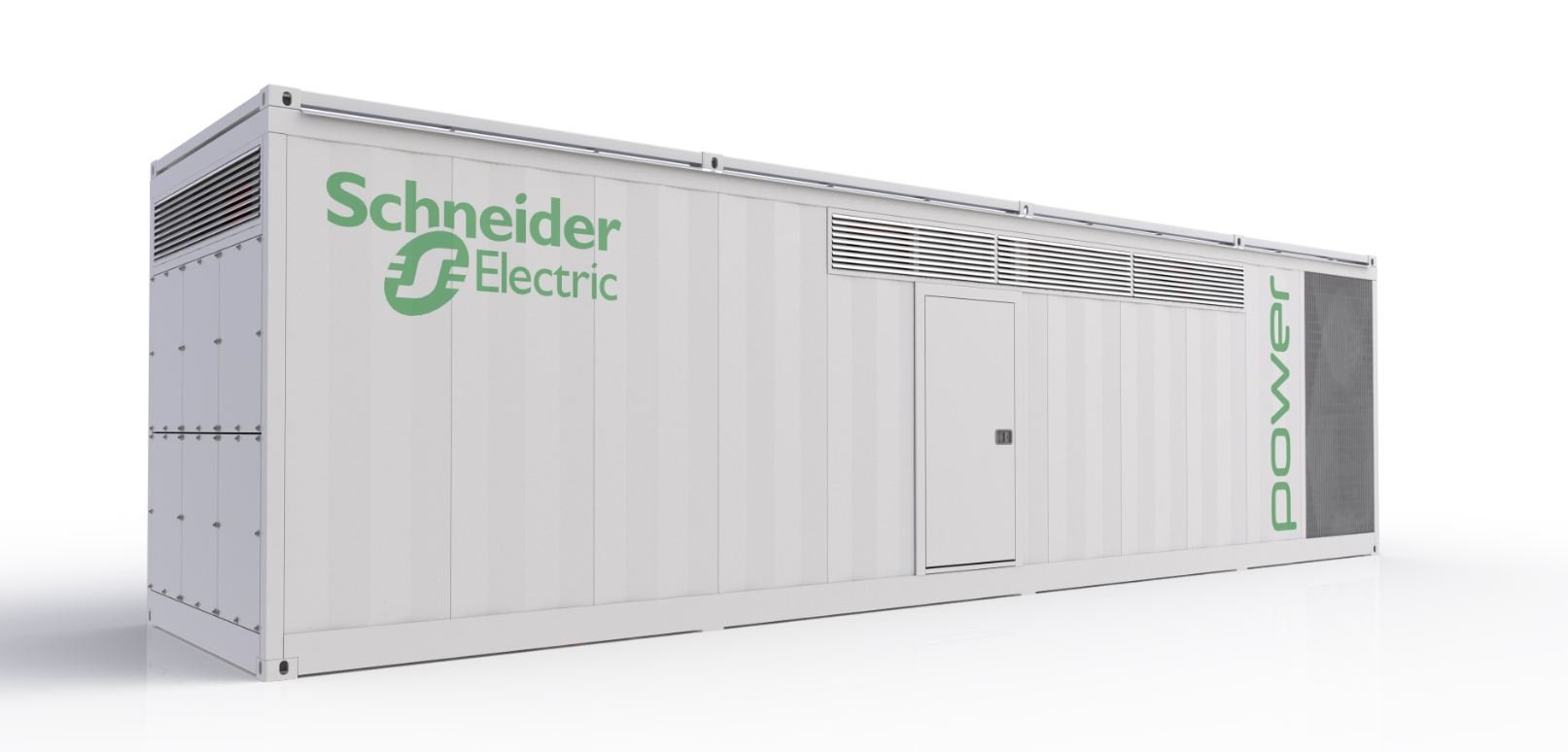
Prefabricated Modular Datacentre by schneider Electric

Prefabricated Modular Datacentre by schneider Electric

FAITH WAITHAKA - Schneider Electric
Writer: FAITH WAITHAKA, Cloud and Service Provider Segment Sales Lead: Anglophone Africa at Schneider Electric

The prefabricated modular datacentre is not a new concept by any means, offering a fast and scalable alternative to brick-and-mortar.

However, it is only the last five years that its adoption has enjoyed some major growth, with companies regarding it as a bona fide route to deploying datacentres.

In Africa, prefabricated modular datacentres are enjoying some exciting growth; the continent’s increasing demand for data storage, processing and connectivity is driving innovation in the sector. These modular structures offer a dynamic response to the need for rapid deployment, standardisation and sustainability.

Unpacking the benefits

Prefabricated datacentres, as the name suggest, consist of pre-built modules that house various components critical to datacentre functionality. The modules fall into categories such as power, cooling, and IT.

Due to its modular nature, organisations can then choose a combination of these modules to create a tailored solution that best meets their specific requirements.

Subscribe to our Telegram channel for the latest updates.

Follow the latest developments with instant alerts on breaking news, top stories, and trending headlines.

Join Channel

One of the major advantages of prefabricated data centres is the efficiency and predictability it brings to the construction process.

Unlike traditional datacentres, where one must contend with the variability of numerous contractors and handling material and availability, prefabricated datacentres are produced in a controlled factory environment.

This controlled setting ensures higher quality and consistency in construction, enabling precise timelines and outcomes.

When one considers the varied materials and standards across different regions in Africa, prefabricated solutions offer a viable path to standardisation and predictability. Organisations operating across the continent can expect the same level of quality and materials, whether in South Africa, the DRC, Nigeria, Ghana, or Kenya.

This consistency simplifies project management and allows engineers to work on a standard basis, facilitating smooth expansions and upgrades.

Sustainable expansion

Africa’s adoption of prefabricated modular datacentres is also rooted in lessons learnt from our global peers. In countries such as Germany, some brick-and-mortar hyperscale datacentres are reaching its end of life which creates a conundrum of sort, how do you shutdown these facilities in sustainable manner?

In fact, according to various research papers, datacentres are become obsolete fast due to the technologies incredibly fast paced advancements.  With a lifespan of around 15 years, these massive facilities become technology graveyards reminiscent of an eerie Sci-fi movie.

Prefabricated data centres offer a more flexible solution, allowing these facilities to be quickly disassembled and relocated to other regions which will have use for some of the modules, thereby preserving infrastructure integrity and extending its lifespan.

At Schneider Electric, our prefabricated datacentres are built sustainably; we fabricate 90% of the parts to mitigate waste, optimise efficiency, and reduce the footprint of the datacentre. Furthermore, we drive sustainable practices throughout our supply chain to ensure that products are produced and transported in a responsible manner.

Lastly, where possible, our local partners are responsible for building the prefabricated datacentres, thus reducing transport costs whilst investing in the local marketplace.

0Shares
MTN Live It 100 Thematic Campaign
Previous Post

Managing Your Business’ Finances

Next Post

Infobip Ranked No.1 in Metrigy’s Inaugural CPaaS MetriRank Report

Techeconomy

Techeconomy

Related Posts

Dell AI server revenue 2027

Dell Shares Surge 40% as AI Server Boom Drives Record $43.8bn Quarter

May 29, 2026
Anthropic Raises $65 Billion

Anthropic Raises $65 Billion as Valuation Climbs to $965 Billion

May 29, 2026

Experts in Nairobi Push for Ethical, Localised AI Systems

May 28, 2026
Load More
Next Post
Silvio Kutić, CEO at Infobip

Infobip Ranked No.1 in Metrigy’s Inaugural CPaaS MetriRank Report

Leave a Reply Cancel reply

Your email address will not be published. Required fields are marked *

I agree to the Terms & Conditions and Privacy Policy.

This site uses Akismet to reduce spam. Learn how your comment data is processed.

Techeconomy Podcast
Techeconomy Podcast

The Techeconomy Podcast is a thought-leadership show exploring the powerful intersection of technology, business, and the economy, with a strong focus on Africa’s fast-evolving digital landscape.

Financing the Future: Venture Debt, Local Capital & African Innovation | TBS May 2026 Webinar
byTecheconomy

Africa’s innovation ecosystem is evolving, but where will the funding for the next generation of startups come from?

In this edition of the Techeconomy Business Series (TBS) May 2026, industry experts explore how local capital, venture debt, and smarter investment structures are redefining startup growth and innovation across Africa.

🎙️ Featured Speakers:

* Ebunoluwa Ashley-Dejo

* Damilare Davola

* Success Ajilore (STN & Accelerated Plus)

Key conversations in this webinar include:

✔️ The future of startup financing in Africa

✔️ Venture debt and alternative funding models

✔️ The role of local investors in scaling innovation

✔️ Sustainable investment strategies for African startups

✔️ Opportunities and challenges in the African tech ecosystem

Subscribe for more conversations shaping Africa’s digital economy and innovation landscape.

#TBS2026 #AfricanInnovation #VentureDebt #StartupFinance #TechInAfrica #Techeconomy #AfricanStartups #InnovationEconomy

Financing the Future: Venture Debt, Local Capital & African Innovation | TBS May 2026 Webinar
May 27, 2026
Techeconomy
PROTECTING INNOVATION IN AFRICA’S STARTUP ECOSYSTEM
April 29, 2026
Techeconomy
BUILDING TRUST IN AFRICA ECOSYSTEM
February 27, 2026
Techeconomy
Navigating a Career in Tech Sales
January 29, 2026
Techeconomy
How Technology is Transforming Education, Health, and Business
November 27, 2025
Techeconomy
Search Results placeholder
MTN Live It 100 Thematic Campaign
ADVERTISEMENT
  • About Us
  • Careers
  • Contact Us
  • Privacy Policy

© 2026 TECHECONOMY.

No Result
View All Result
  • Technology
  • Business
  • Economy
  • Features
  • Editorial
  • Brand Content
  • TECHECONOMY TV

© 2026 TECHECONOMY.

This website uses cookies. By continuing to use this website you are giving consent to cookies being used. Visit our Privacy and Cookie Policy.