


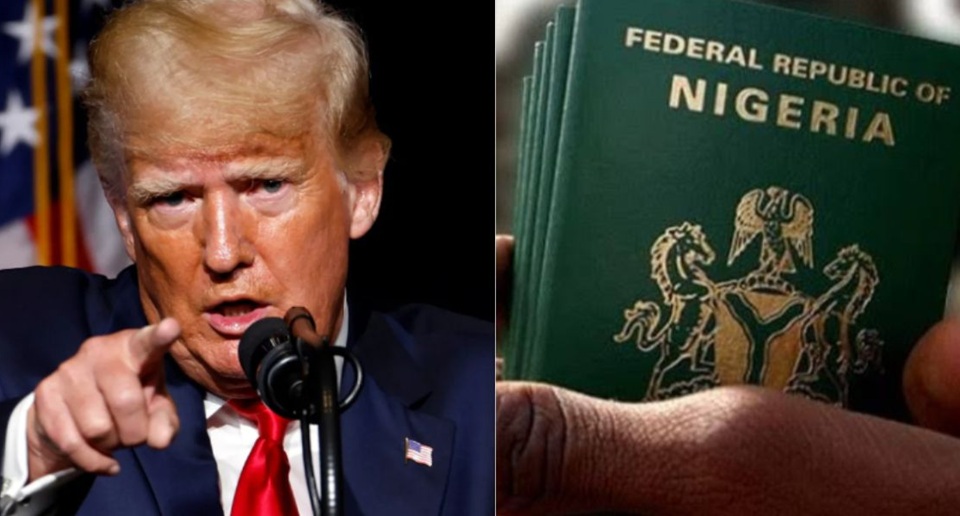
The United States has moved to ease visa restrictions affecting Nigerian and other foreign-trained doctors, in what observers describe as a significant policy shift driven by mounting pressure on the country’s healthcare system.
Recent updates from U.S. immigration authorities indicate that foreign physicians are no longer subject to a visa processing freeze tied to earlier travel restrictions, allowing them to obtain, renew, and maintain visas required to practice in the country.
The decision effectively reopens a pathway for hundreds of international medical professionals, including Nigerians, who had been caught in a web of immigration bottlenecks and policy uncertainty.
A Quiet Policy Reversal
According to reports, U.S. authorities quietly updated visa processing guidelines, confirming that applications related to medical doctors would continue to be processed despite broader immigration controls.
The move is widely seen as a pragmatic response to a deepening shortage of healthcare workers across the United States, particularly in rural and underserved communities that rely heavily on foreign-trained physicians.
Relief for Nigerian Doctors
For Nigerian medical professionals, the development brings renewed hope after months of uncertainty.
Many had faced delays or the risk of losing their positions due to visa processing suspensions and administrative backlogs.
The new directive now allows them to continue their careers in the U.S. healthcare system, which remains one of the most attractive destinations for Nigerian doctors seeking advanced training and better working conditions.
Background
Earlier Visa Restrictions (2025–2026)
In December 2025, the U.S. announced new visa restrictions affecting multiple countries, including Nigeria, citing security and immigration concerns.
By January 2026, additional measures included suspension of certain visa categories; reduced visa validity, and increased scrutiny of applicants
A broader policy also paused some immigrant visa processing for dozens of countries, Nigeria included.
The restrictions disrupted the pipeline of foreign-trained doctors, many of whom, train in U.S. residency programmes.
Reports highlight that visa delays were already leaving hospitals understaffed and patients underserved, raising alarm across the healthcare sector.
Why the U-Turn Happened
The policy adjustment appears to be driven by severe physician shortages in the U.S; dependence on international medical graduates; pressure from hospitals and health institutions, and risk to patient care if foreign doctors are excluded
Not a Full Reversal
Despite the relief, broader visa restrictions remain in place for many categories.
The U.S. government has stated that such policies are “under review” and may change depending on security and compliance factors.



