ADVERTISEMENT
Wednesday, June 10, 2026
Tech | Business | Economy
No Result
View All Result
  • Technology
    • Trends
    • Telecoms
      • Broadband
    • ConsumerTech
      • Gadgets and Appliances
      • Apps
      • Accessories
      • Reviews
      • Unboxing
    • EnterpriseTECH
    • Security & Data Protection
    • How To
  • Business
    • Company News
    • StartUPs
      • Founder’s Story
      • Funding
    • Deals
    • People & Moves
    • SME & Entrepreneur Focus
    • BUSINESS SENSE FOR SMEs
    • Competition & Market Positioning
    • Commerce & Mobility
    • Travel
    • WomenPreneurs
  • Economy
    • Macroeconomic Trends
      • Macro Monday
      • TE Insights
    • Finance
      • Banks
      • Fintech
      • Insurance
      • Digital Assets
      • Personal Finance
    • Policies
      • Tech & Society
    • Market Analysis
    • Jobs & Workforce Economy
  • Features
    • Guest Writer
      • Chidiverse
      • Digital Assets
      • GameTech
    • EventDIARY
    • IndustryINFLUENCERS
    • MarkTECH
    • TBS
    • NewsEXTRA
  • Editorial
  • Brand Content
  • TECHECONOMY TV
Wednesday, June 10, 2026
Tech | Business | Economy
No Result
View All Result
Tech | Business | Economy
No Result
View All Result

Home » What Nigeria Must do to Increase Capital Inflow, IMF Explains

What Nigeria Must do to Increase Capital Inflow, IMF Explains

Justice Godfrey Okamgba by Justice Godfrey Okamgba
November 24, 2022
in Finance
Reading Time: 4 mins read
0
IMF: Subsidies, Tax holidays

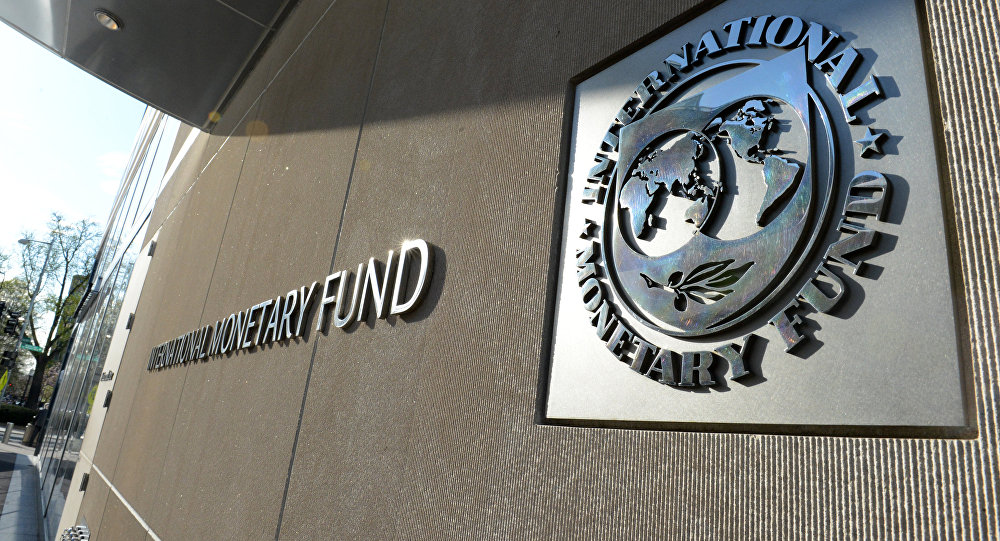
IMF logo

To increase foreign capital flows into the economy, the International Monetary Fund (IMF) has requested that the Central Bank of Nigeria (CBN) permit commercial banks to choose dollar buy-sale rates.
 
The IMF stated that increasing the confidence of foreign investors in the economy still depends on maintaining a stable and market-clearing currency rate.
 
Following an official staff visit to Nigeria, the IMF disclosed the information in its concluding statement for the 2022 Article IV Consultation. It argued that ongoing forex shortages, a regime of stabilized exchange rates, rising inflation, a finite ability to service debt, and administrative limitations on current transactions all contribute to devaluation rumors.
 
These factors, it observed, hinder much-needed capital inflows, encourage outflows and constrain private-sector investment.
 
The IMF reiterated its past recommendations to move towards a unified and market-clearing exchange rate by dismantling the various exchange rate windows at the CBN accompanied by clarity on exchange rate policy and supportive fiscal and monetary policies.
 
“In the medium term, the CBN should step back from its role as main forex intermediator, limiting interventions to smoothing market volatility and allowing banks to determine forex buy-sell rates freely,” it stated.
 
The IMF also advised Nigeria to remove fuel subsidies and address oil theft as a major step to narrow the fiscal gap.  The Fund advised that as a near-term priority, there is an urgent need to remove fuel subsidies fully and permanently, which disproportionately benefit the well-off, by mid-2023 as planned.
 
“The government should also prioritize addressing oil thefts and governance issues in the oil sector to restore production to pre-pandemic levels. Step up implementation of tax administration reforms,” it added.
 
The Fund said fiscal transparency is critical for a sound fiscal policy. “Notwithstanding recent improvements, some gaps remain. While the authorities have published the annual financial reports of the Nigeria National Petroleum Corporation (NNPC) Plc since 2019, uncertainties remain regarding the nature of tax write-offs and fuel consumption volumes.

The IMF suggested taking a deeper look at the kind of financial obligations NNPC has to the government and the specifics of how much the fuel subsidy costs, including through a financial audit.

Additionally, the IMF encouraged Nigeria to wind down the Asset Management Corporation of Nigeria (AMCON) by the end of 2023 and resolve weaker minor banks.

Despite increasing oil prices, the economy is expanding at a little faster rate than the rate of population growth, according to the Fund.

“The double-digit increases in Nigeria’s terms of trade and significant improvement in the trade balance created an opportunity to build fiscal space and foreign exchange (FX) reserves, but that opportunity was not harnessed,” it said.

0Shares
Previous Post

Nigeria’s GDP Growth Slows to 2.25% in Q3 2022

Next Post

Nigerian Government Unveils 7 National Policy Assets to Drive Financial Inclusion

Justice Godfrey Okamgba

Justice Godfrey Okamgba

Related Posts

Pension Fund - PFAs investment in FGN securities | Nigeria’s pension assets | Nigeria’s pension assets

Nigeria’s Pension Fund Assets Rise to N32 Trillion, Equal to 10.4% of GDP

June 10, 2026
Mark Okoye II SEDC | Senate

Senate Grills Mark Okoye Over ₦153m Spent on One-Room SEDC Liaison Office

June 10, 2026

Yuno Integration with Onafriq Opens 43 African Markets and One Billion Mobile Wallets to Global Merchants

June 9, 2026
Load More
Next Post
Nigerian Government Unveils 7 National Policy Assets to Drive Financial Inclusion

Nigerian Government Unveils 7 National Policy Assets to Drive Financial Inclusion

Leave a Reply Cancel reply

Your email address will not be published. Required fields are marked *

I agree to the Terms & Conditions and Privacy Policy.

This site uses Akismet to reduce spam. Learn how your comment data is processed.

Techeconomy Podcast
Techeconomy Podcast

The Techeconomy Podcast is a thought-leadership show exploring the powerful intersection of technology, business, and the economy, with a strong focus on Africa’s fast-evolving digital landscape.

Financing the Future: Venture Debt, Local Capital & African Innovation | TBS May 2026 Webinar
byTecheconomy

Africa’s innovation ecosystem is evolving, but where will the funding for the next generation of startups come from?

In this edition of the Techeconomy Business Series (TBS) May 2026, industry experts explore how local capital, venture debt, and smarter investment structures are redefining startup growth and innovation across Africa.

🎙️ Featured Speakers:

* Ebunoluwa Ashley-Dejo

* Damilare Davola

* Success Ajilore (STN & Accelerated Plus)

Key conversations in this webinar include:

✔️ The future of startup financing in Africa

✔️ Venture debt and alternative funding models

✔️ The role of local investors in scaling innovation

✔️ Sustainable investment strategies for African startups

✔️ Opportunities and challenges in the African tech ecosystem

Subscribe for more conversations shaping Africa’s digital economy and innovation landscape.

#TBS2026 #AfricanInnovation #VentureDebt #StartupFinance #TechInAfrica #Techeconomy #AfricanStartups #InnovationEconomy

Financing the Future: Venture Debt, Local Capital & African Innovation | TBS May 2026 Webinar
May 27, 2026
Techeconomy
PROTECTING INNOVATION IN AFRICA’S STARTUP ECOSYSTEM
April 29, 2026
Techeconomy
BUILDING TRUST IN AFRICA ECOSYSTEM
February 27, 2026
Techeconomy
Navigating a Career in Tech Sales
January 29, 2026
Techeconomy
How Technology is Transforming Education, Health, and Business
November 27, 2025
Techeconomy
Search Results placeholder
MTN Live It 100 Thematic Campaign
ADVERTISEMENT
  • About Us
  • Careers
  • Contact Us
  • Privacy Policy

© 2026 TECHECONOMY.

No Result
View All Result
  • Technology
  • Business
  • Economy
  • Features
  • Editorial
  • Brand Content
  • TECHECONOMY TV

© 2026 TECHECONOMY.

This website uses cookies. By continuing to use this website you are giving consent to cookies being used. Visit our Privacy and Cookie Policy.