


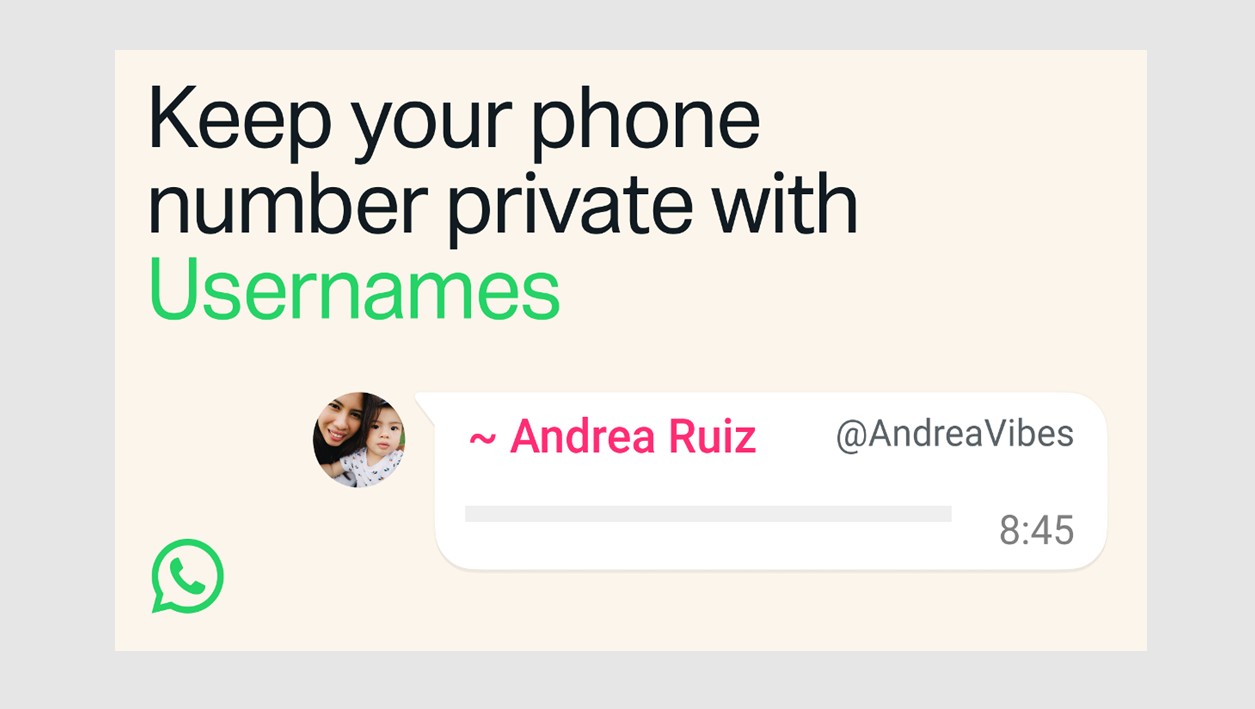
WhatsApp has taken its most significant privacy step in years, one that could fundamentally change how its more than three billion users connect, communicate, and protect their personal information online.
The Meta-owned messaging platform announced on Monday, June 29, 2026, the global rollout of username reservations, a feature that will allow users to create a unique identifier for their WhatsApp account that others can use to contact them, without ever seeing or needing their phone number.
The feature addresses one of the most persistent friction points in digital communication: the discomfort of sharing a personal phone number with someone you have just met, barely know, or are not yet ready to trust with such direct access to your life.
“When someone new walks into your life, a classmate, a neighbour, someone you meet at an event, sharing a phone number can feel like a big step,” WhatsApp said in its announcement made available to Techeconomy. “That’s because a phone number is personal and it’s tied to so many parts of your life. Sometimes you just want to chat without handing over your digits.”
How it works
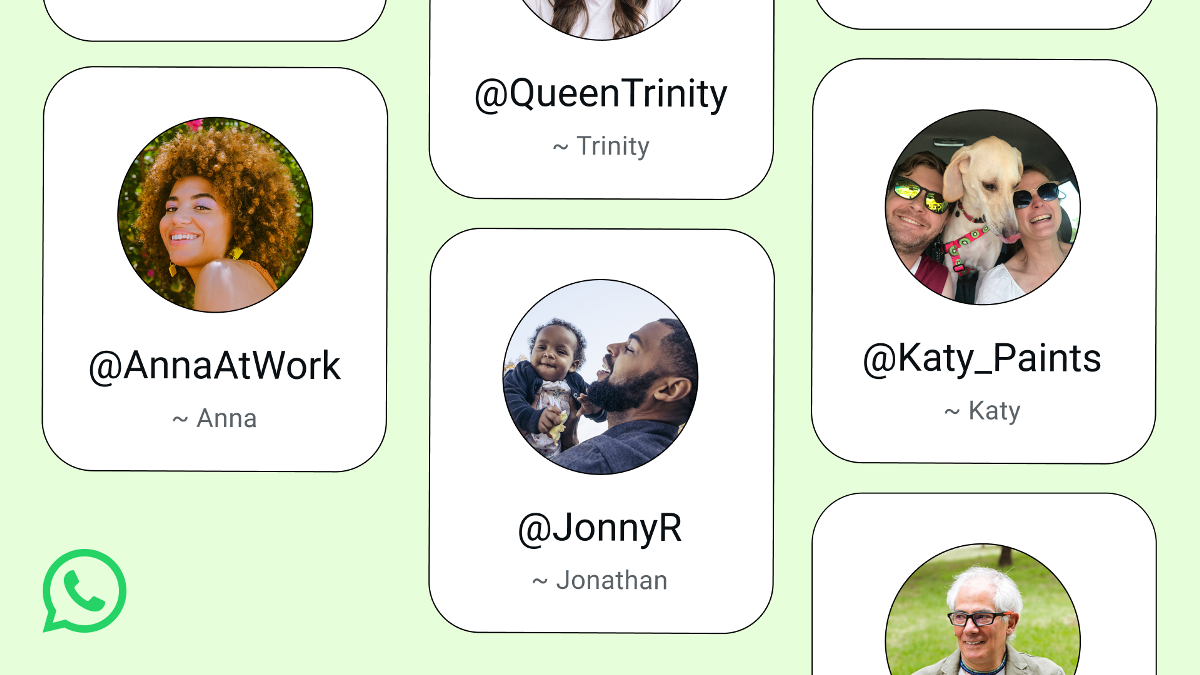
A WhatsApp username is a unique handle that users choose for themselves, one that does not have to match their identity on any other platform. Unlike social media handles on Instagram, X, or TikTok, a WhatsApp username is not discoverable through a public directory and will not appear in search suggestions.
The only way someone can contact you using your username is if they already know your exact username, a design choice that WhatsApp describes as a deliberate privacy safeguard rather than a social media growth mechanism.
For users who want an additional layer of protection, WhatsApp is introducing an optional username key, a secondary code that contacts will need to provide the first time they attempt to reach someone through their username.
The combination of a non-discoverable username and an optional access key creates what WhatsApp describes as two layers of protection for users who want maximum control over who can reach them.
Once the username feature is fully launched, users who enable it will no longer have their phone number visible to people they message for the first time, a change that meaningfully shifts the privacy architecture of one of the world’s most widely used communication platforms.
Why WhatsApp is acting now
The username announcement comes at a moment of heightened global attention to digital privacy, data protection, and the risks of personal information exposure on communication platforms.
For Nigerian users in particular, operating in an environment where phone number exposure has been linked to SIM swap fraud, financial scams, and unsolicited commercial contact, the ability to communicate without revealing a phone number carries practical safety value beyond the abstract privacy argument.
WhatsApp’s timing also reflects competitive pressure. Telegram has offered usernames since its early years, and the feature has been cited repeatedly as a reason users prefer the platform for certain kinds of group communication and public-facing interaction.
WhatsApp’s adoption of usernames, while designed with a deliberately more private architecture than Telegram’s public channel model, acknowledges that the phone number as the sole identifier for a platform of this scale has become an increasingly inadequate design.
What it means for group conversations
WhatsApp specifically called out group conversations as one of the primary use cases driving the feature’s development.
“You want to join the parent chat for the soccer team but you’re not ready to give your phone number to people you’ve never met,” the company said, a scenario that resonates across school associations, community groups, professional networks, and event-based conversations where users currently face the choice between privacy and participation.
With usernames, users will be able to join group conversations and interact with other members without exposing their phone numbers to the full group, a significant change for the millions of Nigerians who use WhatsApp for community and professional group communication.
Implications for businesses and creators
For small businesses, creators, and organisations, three categories that WhatsApp explicitly named in its announcement, the username feature opens a new channel for professional-grade communication without the personal boundary erosion that comes with sharing a business owner’s direct phone number.
WhatsApp has also provided a specific pathway for creators and businesses with established presences on Instagram or Facebook: an option to claim their existing Instagram or Facebook username on WhatsApp, ensuring brand consistency across Meta’s family of platforms.
That option positions WhatsApp usernames not merely as a privacy tool but as a professional identity infrastructure, particularly relevant for Nigeria’s rapidly growing creator economy and the millions of small businesses that already use WhatsApp as their primary customer communication channel.
How to reserve a username
Username reservations began rolling out globally on Monday, June 29, 2026. Users can reserve their preferred username now, ahead of the feature’s full in-app launch later in 2026, by visiting the WhatsApp username reservation page. WhatsApp has also built a username generator for users who want assistance selecting a handle.
Given that more than three billion people use WhatsApp globally, the platform has flagged name overlap as a significant challenge and is opening reservations early specifically to give users the opportunity to secure their preferred username before the feature launches.
Reservations will be made available gradually across countries, with users notified within the app when the option becomes available in their region.
To reserve a username once available, users should update to the latest version of WhatsApp and navigate to Settings, then Account, then Username.
For Nigeria’s three billion-strong global WhatsApp community, and for the millions of Nigerian users for whom the platform is not merely a messaging app but the primary infrastructure for business, community, and commerce, the username feature represents a meaningful expansion of what WhatsApp can do, and a long-overdue solution to the privacy cost of being reachable.



