


Nigeria’s digital economy runs on one simple asset: the mobile phone number. It is the gateway to bank alerts, one-time passwords (OTPs), USSD banking, fintech wallets, mobile money accounts, identity verification and increasingly, access to credit.
That same number has also become one of the weakest links in the country’s fraud chain.
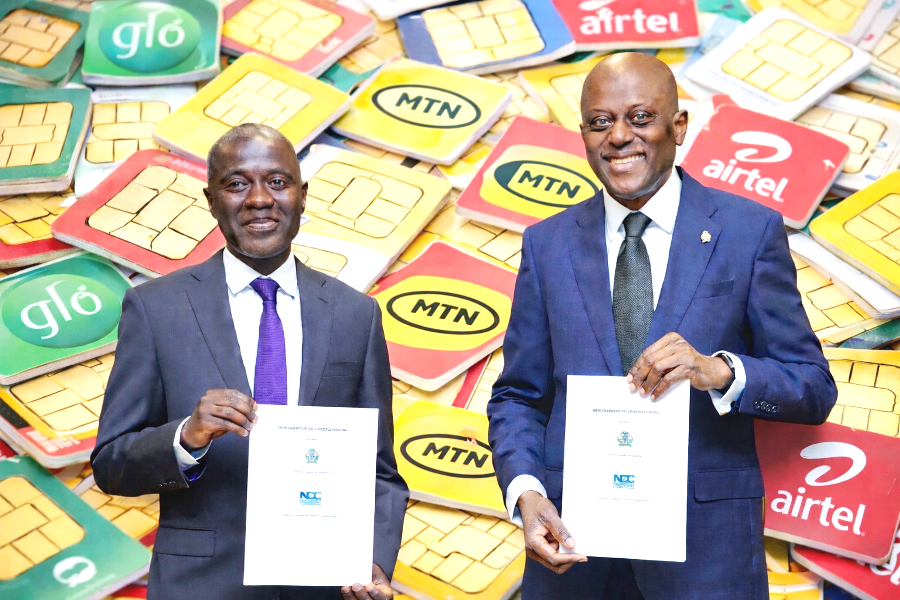
So when the Nigerian Communications Commission (NCC) and the Central Bank of Nigeria (CBN) signed a new Memorandum of Understanding (MoU) to combat digital fraud and launched a Telecoms Identity Risk Management System (TIRMS) portal, it was more than a bureaucratic ceremony.
It was a recognition that fraud prevention in Nigeria can no longer be handled in silos.
This partnership could become one of the most consequential regulatory alignments in Nigeria’s digital payments era.
The Real Problem: Fraud Now Sits Between Telecoms and Finance
Most modern financial fraud in Nigeria is no longer confined to stolen ATM cards or forged cheques. It now happens at the intersection of telecoms and banking.
Fraudsters exploit:
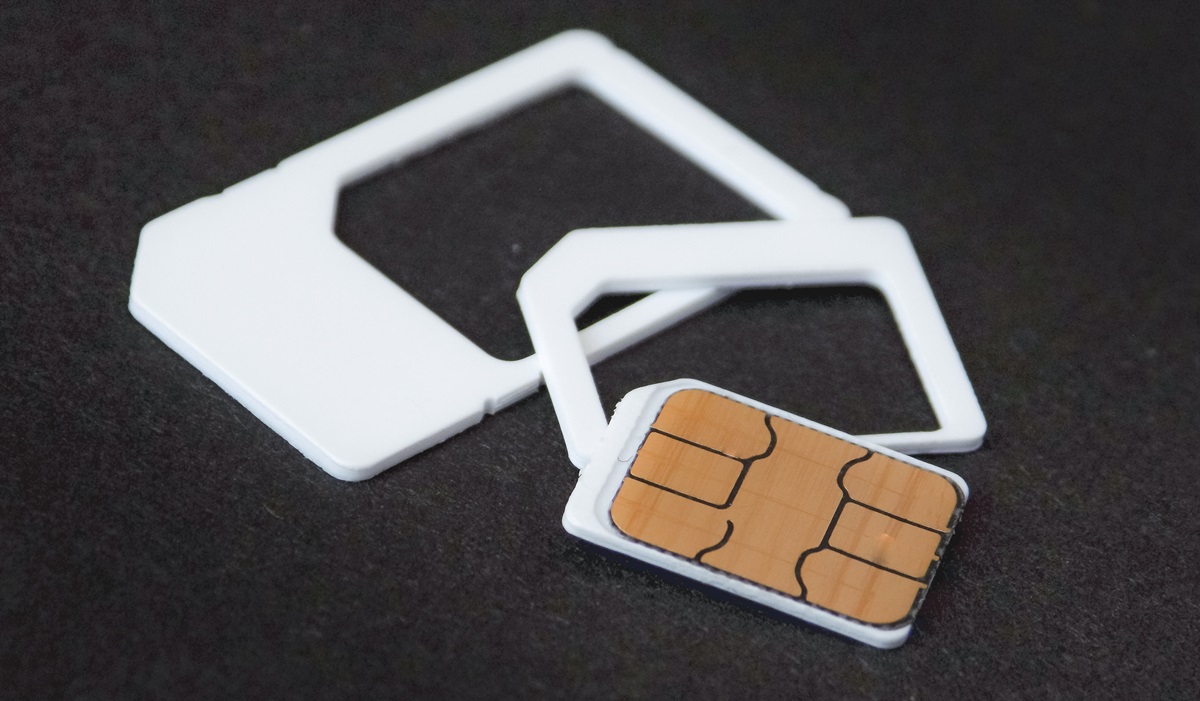
- SIM swap attacks – where a victim’s phone line is fraudulently reassigned
- Recycled phone numbers linked to dormant accounts
- OTP interception
- Identity takeover via mobile channels
- Social engineering through SMS and calls
- Unauthorized wallet or banking access
Dr. Aminu Maida, NCC’s executive vice chairman/CEO said phone numbers now underpin identity, authentication and financial access, making cooperation with the CBN essential.
That statement captures the shift: the telecom number is now a financial credential.
Why this is Significant
1. Nigeria is Protecting its Most Used Banking Device: The Mobile Phone
In many developed markets, fraud prevention revolves around cards or desktop banking. In Nigeria, the primary banking device is often the mobile phone.
With over 148 million+ internet users and tens of millions relying on mobile channels for transfers, USSD and fintech apps, telecom infrastructure is inseparable from finance.
That means any weakness in SIM ownership records, number recycling, or line security can become a payments problem.
The MoU acknowledges that reality.
2. TIRMS Could Disrupt SIM-Swap Fraud
One of the biggest announcements was the launch of the Telecoms Identity Risk Management System (TIRMS) portal.
According to the NCC, financial institutions will be able to know when a number:
- has been swapped
- is inactive
- has been disconnected
- has been reassigned
- has been flagged for suspicious activity
That is powerful.
Example:
If a fraudster swaps your SIM at 10:00 a.m. and tries to reset your bank password at 10:20 a.m., the bank could potentially detect elevated risk in real time and block the transaction.
This moves Nigeria from reactive fraud resolution to preventive fraud intelligence.
3. Consumer Trust is the Hidden Prize
Every failed transfer, stolen wallet balance, delayed reversal or SIM-linked fraud incident erodes confidence.
Many Nigerians still keep cash because digital trust remains fragile.
For regulators, fighting fraud is not only about crime. It is about:
- keeping users active on digital rails
- deepening financial inclusion
- reducing cash dependency
- protecting SME commerce
Without trust, adoption slows.
4. SMEs and Informal Traders Stand to Benefit
The NCC specifically referenced support for consumers and MSMEs. That matters because small businesses are often hit hardest by fraud.
A salaried executive may recover from a ₦50,000 fraudulent debit. A roadside pharmacy, POS agent or Instagram seller may not. If fraud controls improve:
- merchants process more confidently
- digital payments rise
- working capital is preserved
- disputes reduce
This is inclusion through security.
5. It Builds on the USSD Debt Lesson
The NCC noted that previous cooperation with the CBN helped resolve the long-running USSD debt impasse, preserving service continuity for consumers, telcos and banks.
That precedent matters.
Nigeria’s most complex digital economy issues often sit between regulators:
- telecom + banking
- identity + payments
- fintech + consumer rights
- data + cybersecurity
This MoU suggests regulators are learning that collaboration is now infrastructure.
What Success Would Look Like
The partnership should not end as a photo-op. It must produce measurable outcomes:
Short-Term
- Faster detection of SIM-swap attacks
- Fewer unauthorized mobile banking incidents
- Faster dispute resolution
- Better fraud reporting across sectors
Medium-Term
- Lower fraud losses for banks and fintechs
- More consumer confidence in mobile money and wallets
- Stronger onboarding systems
- Smarter KYC linked to telecom risk signals
Long-Term
- Secure digital identity ecosystem
- Stronger real-time payments environment
- Higher financial inclusion
Challenges Ahead
1. Data Privacy
Cross-sector data sharing must be tightly governed.
2. Execution Quality
Systems integration between banks, fintechs, MNOs and regulators is complex.
3. Speed
Fraud happens in minutes. Controls must operate in real time.
4. Consumer Awareness
Users still need education on phishing, SIM security and scams.
Technology alone cannot solve human deception.
The Bigger Meaning
Nigeria is one of Africa’s largest digital payments markets. As instant transfers, wallets and mobile banking expand, fraud prevention must scale too.
This NCC-CBN partnership signals a new regulatory doctrine:
In the digital economy, telecom security is financial security.
That insight could shape future reforms around identity, lending, open banking and cybersecurity.
Techeconomy’s Believe
We believe the MoU is not just about fraud. It is about trust architecture for Nigeria’s next growth phase.
If implemented well, it could reduce one of the most persistent anxieties in Nigeria’s digital economy: “Is my money safe if my phone is compromised?”
Answering that question convincingly may be worth more than any new fintech launch.



