ADVERTISEMENT
Thursday, June 11, 2026
Tech | Business | Economy
No Result
View All Result
  • Technology
    • Trends
    • Telecoms
      • Broadband
    • ConsumerTech
      • Gadgets and Appliances
      • Apps
      • Accessories
      • Reviews
      • Unboxing
    • EnterpriseTECH
    • Security & Data Protection
    • How To
  • Business
    • Company News
    • StartUPs
      • Founder’s Story
      • Funding
    • Deals
    • People & Moves
    • SME & Entrepreneur Focus
    • BUSINESS SENSE FOR SMEs
    • Competition & Market Positioning
    • Commerce & Mobility
    • Travel
    • WomenPreneurs
  • Economy
    • Macroeconomic Trends
      • Macro Monday
      • TE Insights
    • Finance
      • Banks
      • Fintech
      • Insurance
      • Digital Assets
      • Personal Finance
    • Policies
      • Tech & Society
    • Market Analysis
    • Jobs & Workforce Economy
  • Features
    • Guest Writer
      • Chidiverse
      • Digital Assets
      • GameTech
    • EventDIARY
    • IndustryINFLUENCERS
    • MarkTECH
    • TBS
    • NewsEXTRA
  • Editorial
  • Brand Content
  • TECHECONOMY TV
Thursday, June 11, 2026
Tech | Business | Economy
No Result
View All Result
Tech | Business | Economy
No Result
View All Result

Home » Why the U.S. Slammed Nigeria with a 14% Tariff

Why the U.S. Slammed Nigeria with a 14% Tariff

Joan Aimuengheuwa by Joan Aimuengheuwa
April 8, 2025
in Business
Reading Time: 2 mins read
0
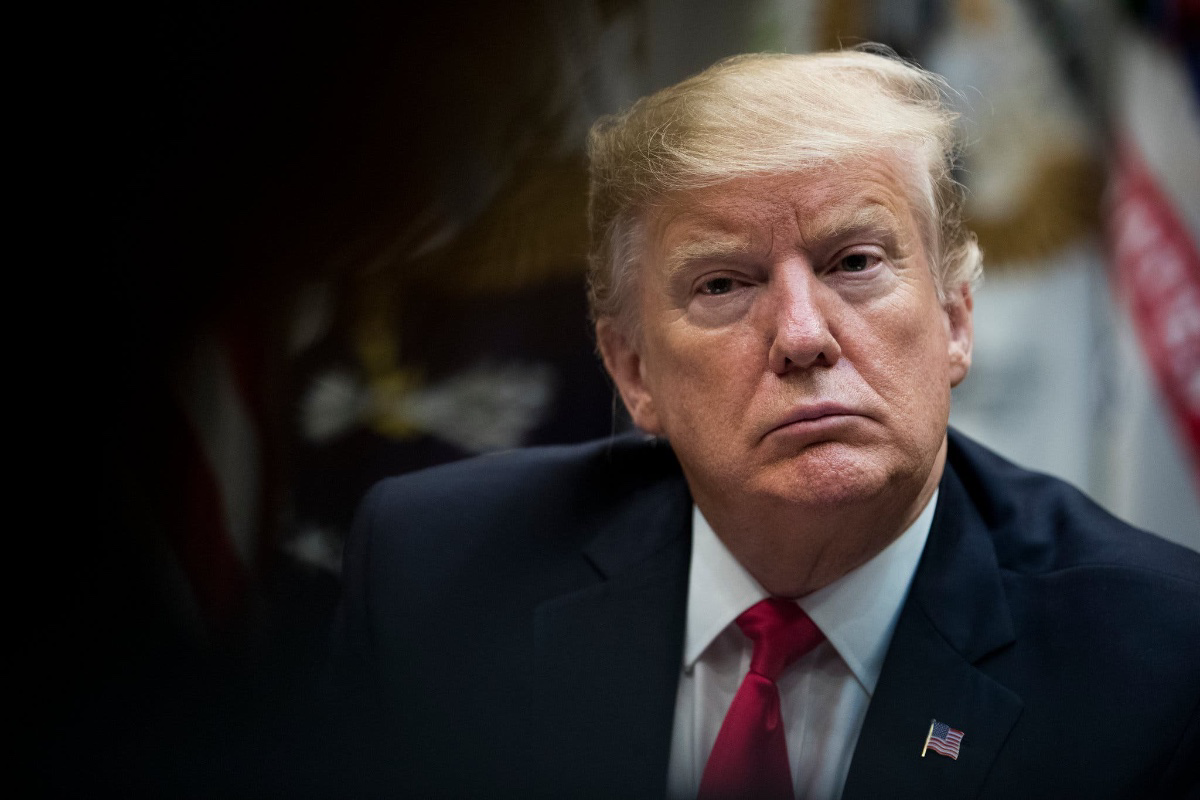
Why the U.S. Slammed Nigeria with a 14% Tariff | Donald Trump | davos

Donald Trump, U.S. President

The United States is not pleased with Nigeria. And this time, it’s not about diplomacy or defence. It’s trade.

Nigeria has blocked 25 product categories from entering its borders — a move the U.S. government says is hurting American exporters and breaching the basic rules of global commerce. 

In response, the Trump administration imposed a 14% tariff on Nigerian exports, escalating a conflict that is already rattling economies far beyond Abuja and Washington.

For the U.S. Trade Representative (USTR), the Nigerian policy is one of the ten worst examples of trade discrimination faced by the U.S. in recent times. 

“Nigeria’s import ban on 25 different product categories impacts U.S. exporters, particularly in agriculture, pharmaceuticals, beverages, and consumer goods. Restrictions on items like beef, pork, poultry, fruit juices, medicaments, and spirits limit U.S. market access and reduce export opportunities,” the USTR stated.

Subscribe to our Telegram channel for the latest updates.

Follow the latest developments with instant alerts on breaking news, top stories, and trending headlines.

Join Channel

But let’s be clear — Nigeria didn’t just wake up one day and close the door. The bans were part of the country’s efforts to protect local industries, save foreign exchange, and cut dependency on imports. You could argue it’s economic self-defence. Yet the global market doesn’t operate in isolation.

Trump, never one to sidestep a trade confrontation, has hit back with what he’s calling “Liberation Day” tariffs — and they’re not just aimed at Nigeria. Almost every country on America’s trading list got a piece of the stick. 

“Nigeria maintains an average 27 per cent tariff against the U.S., which is unfair dealing,” the U.S. president said. The message? If you hit U.S. goods, expect a hit back.

There’s more than just political theatre here. U.S. businesses, particularly those in food and drug manufacturing, are reportedly losing millions in potential revenue. 

And the global market felt the punch. Stock markets tanked across continents on Monday. Investors wiped $208 billion off the books of the world’s 500 richest people in less than 24 hours. The last time we saw a drop that sharp was during the height of COVID-19.

Meanwhile, China and Canada didn’t waste time. China hit U.S. products with a 34% tariff and slammed the brakes on exports of seven key rare earth materials. Canada added its own 25% tariff on American vehicles. It’s an economic storm, and every country is adjusting its sails.

Back home in Nigeria, the immediate worry is the impact on non-oil exports. While crude — our comfort zone — is still flowing, sectors like agriculture, manufacturing, and fast-moving consumer goods are now under pressure. Any hope of deeper trade integration with the U.S. could take a serious hit.

So here we are: protectionism dressed as patriotism, tariffs parading as justice, and ordinary businesses caught in between. 

0Shares
Previous Post

SCOA’s 2024 Profit After Tax Surges 124% to ₦228.8 Million

Next Post

QNET Backs Maternal and Newborn Health with Science-Led Wellness Products on World Health Day 2025

Joan Aimuengheuwa

Joan Aimuengheuwa

Joan thrives at helping individuals and businesses scale via storytelling...

Related Posts

Powering Commerce the systems, the infrastructures and the in-between | Glovo event

Experts are Canvassing for Proper Infrastructure, Systems to Drive e-Commerce Growth

June 10, 2026
Rivvun AI founders | raises fund

$2 Trillion a Year Never Makes It from Obligation to Settlement | Rivvun AI Raises $7.55M to fix it

June 10, 2026

UK Considers Lower Salary Thresholds for Skilled Worker Visas Under MAC Proposals

June 10, 2026
Load More
Next Post
QNET products

QNET Backs Maternal and Newborn Health with Science-Led Wellness Products on World Health Day 2025

Leave a Reply Cancel reply

Your email address will not be published. Required fields are marked *

I agree to the Terms & Conditions and Privacy Policy.

This site uses Akismet to reduce spam. Learn how your comment data is processed.

Techeconomy Podcast
Techeconomy Podcast

The Techeconomy Podcast is a thought-leadership show exploring the powerful intersection of technology, business, and the economy, with a strong focus on Africa’s fast-evolving digital landscape.

Financing the Future: Venture Debt, Local Capital & African Innovation | TBS May 2026 Webinar
byTecheconomy

Africa’s innovation ecosystem is evolving, but where will the funding for the next generation of startups come from?

In this edition of the Techeconomy Business Series (TBS) May 2026, industry experts explore how local capital, venture debt, and smarter investment structures are redefining startup growth and innovation across Africa.

🎙️ Featured Speakers:

* Ebunoluwa Ashley-Dejo

* Damilare Davola

* Success Ajilore (STN & Accelerated Plus)

Key conversations in this webinar include:

✔️ The future of startup financing in Africa

✔️ Venture debt and alternative funding models

✔️ The role of local investors in scaling innovation

✔️ Sustainable investment strategies for African startups

✔️ Opportunities and challenges in the African tech ecosystem

Subscribe for more conversations shaping Africa’s digital economy and innovation landscape.

#TBS2026 #AfricanInnovation #VentureDebt #StartupFinance #TechInAfrica #Techeconomy #AfricanStartups #InnovationEconomy

Financing the Future: Venture Debt, Local Capital & African Innovation | TBS May 2026 Webinar
May 27, 2026
Techeconomy
PROTECTING INNOVATION IN AFRICA’S STARTUP ECOSYSTEM
April 29, 2026
Techeconomy
BUILDING TRUST IN AFRICA ECOSYSTEM
February 27, 2026
Techeconomy
Navigating a Career in Tech Sales
January 29, 2026
Techeconomy
How Technology is Transforming Education, Health, and Business
November 27, 2025
Techeconomy
Search Results placeholder
MTN Live It 100 Thematic Campaign
ADVERTISEMENT
  • About Us
  • Careers
  • Contact Us
  • Privacy Policy

© 2026 TECHECONOMY.

No Result
View All Result
  • Technology
  • Business
  • Economy
  • Features
  • Editorial
  • Brand Content
  • TECHECONOMY TV

© 2026 TECHECONOMY.

This website uses cookies. By continuing to use this website you are giving consent to cookies being used. Visit our Privacy and Cookie Policy.