

ADVERTISEMENT
Monday, April 20, 2026
Tech | Business | Economy
No Result
View All Result
  • Technology
    • Trends
    • Telecoms
      • Broadband
    • ConsumerTech
      • Gadgets and Appliances
      • Apps
      • Accessories
      • Reviews
      • Unboxing
    • EnterpriseTECH
    • Security & Data Protection
    • How To
    • GameTech
  • Business
    • Company News
    • StartUPs
      • Founder’s Story
      • Funding
    • Deals
    • People & Moves
    • SME & Entrepreneur Focus
      • BUSINESS SENSE FOR SMEs
    • Competition & Market Positioning
    • Commerce & Mobility
    • Travel
    • WomenPreneurs
  • Economy
    • Macroeconomic Trends
      • Macro Monday
      • TE Insights
    • Finance
      • Banks
      • Fintech
      • Insurance
      • Digital Assets
      • Personal Finance
    • Policies
      • Tech & Society
    • Market Analysis
    • Jobs & Workforce Economy
  • Features
    • Guest Writer
      • Chidiverse
      • Digital Assets
    • EventDIARY
    • IndustryINFLUENCERS
    • MarkTECH
    • TBS
    • NewsEXTRA
  • Editorial
  • Brand Content
  • TECHECONOMY TV
Monday, April 20, 2026
Tech | Business | Economy
No Result
View All Result
Tech | Business | Economy
No Result
View All Result

Home » Why We’re Against Computer-based WASSCE – Shettima

Why We’re Against Computer-based WASSCE – Shettima

Techeconomy by Techeconomy
January 6, 2024
in Company News
Reading Time: 1 min read
1
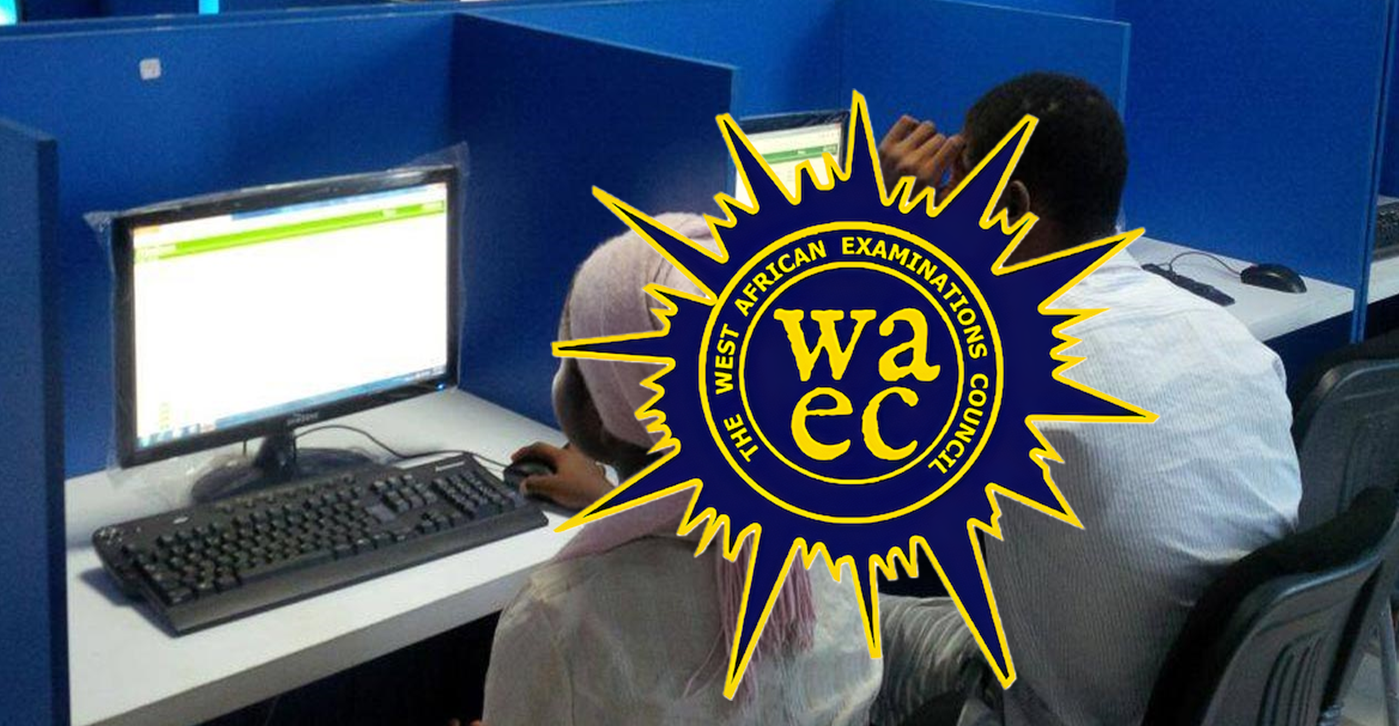
Computer-based WASSCE test

Computer-based WASSCE test

The Arewa Youth Consultative Forum has called for the cancellation of the proposed computer-based test format in the forthcoming West African Senior School Certificate Examinations (WASSCE) in Nigeria.

According to the forum, Computer-based WASSCE test, if allowed, will result in mass failure for students, particularly in rural areas of northern states where computer skills are scarce or completely absent.

Yerima Shettima, the national president of AYCF, in a statement released in Kaduna on Friday, asserted that the CBT exams should have been optional, allowing candidates to choose between the traditional pen-and-paper format and the computer-based approach.

This, he argued, would have allowed students to opt for the format they were most comfortable with and capable of attempting successfully.

Shettima added that research conducted by the Forum in selected northern states such as Zamfara, Jigawa, Taraba, Adamawa, Nasarawa, and Plateau, revealed that the CBT exams had consistently led to misleading failure rates among students attending public schools, where computer skills were often not taught.

Subscribe to our Telegram channel for the latest updates.

Follow the latest developments with instant alerts on breaking news, top stories, and trending headlines.

Join Channel

He stated;

“Even the Joint Admissions and Matriculation Board CBT exams have placed underprivileged students in a predicament as they struggle to answer questions in a format they are unfamiliar with.

“Many students who failed the CBT-based JAMB exams last year argued that their failures were a result of systemic failures, including insufficient facilities or network failures during the exams. Additionally, a lack of proper and adequate computer skills, coupled with outdated desktop computers that are not properly maintained by CBT centers further exacerbate the situation.”

He noted that the call to stop the proposed Computer-based WASSCE test became imperative to prevent a massive failure rate among students who deserved fair and equal opportunities for success.

0Shares

Previous Post

Forex Scandal: EFCC Summons Dangote Officials to Abuja

Next Post

50% of Pupils in Enugu State Cannot Read, SSG Hints

Techeconomy

Techeconomy

Related Posts

FirstBank Headquarters Lagos - GHL | Visa Gold | Ekiti State

FirstBank Partners Ekiti State on Launch of Innovation Enterprise Support Fund

April 17, 2026
Flutterwave IMFWorld Bank

Flutterwave Convenes Global Dialogue on Africa’s Digital Economy at IMF-World Bank Spring Meetings

April 16, 2026

Stanbic IBTC Pension Managers Completes Landmark Renovation in Enugu

April 16, 2026
Load More
Next Post
Enugu Pupils Can't read - Professor Chidiebere Onyia

50% of Pupils in Enugu State Cannot Read, SSG Hints

Comments 1

  1. Pingback: Generative AI as a Sustainability Tool in the Transformation of Higher Education in Developing Economy - Tech | Business | Economy

Leave a Reply Cancel reply

Your email address will not be published. Required fields are marked *

I agree to the Terms & Conditions and Privacy Policy.

This site uses Akismet to reduce spam. Learn how your comment data is processed.

Techeconomy Podcast
Techeconomy Podcast

The Techeconomy Podcast is a thought-leadership show exploring the powerful intersection of technology, business, and the economy, with a strong focus on Africa’s fast-evolving digital landscape.

BUILDING TRUST IN AFRICA ECOSYSTEM
byTecheconomy

Africa’s digital economy is growing fast, but growth without trust cannot last.Join us for the February Edition of the Techeconomy Business Series as industry experts explore how trust, security, innovation, and user experience are shaping Africa’s evolving digital ecosystem.

BUILDING TRUST IN AFRICA ECOSYSTEM
February 27, 2026
Techeconomy
Navigating a Career in Tech Sales
January 29, 2026
Techeconomy
How Technology is Transforming Education, Health, and Business
November 27, 2025
Techeconomy
INNOVATION IN MOBILE BANKING
October 30, 2025
Techeconomy
The Rise of AI: Impact on Jobs & Businesses
September 25, 2025
Techeconomy
Search Results placeholder
  • About Us
  • Careers
  • Contact Us

© 2026 TECHECONOMY.

No Result
View All Result
  • Technology
  • Business
  • Economy
  • Features
  • Editorial
  • Brand Content
  • TECHECONOMY TV

© 2026 TECHECONOMY.

This website uses cookies. By continuing to use this website you are giving consent to cookies being used. Visit our Privacy and Cookie Policy.


