


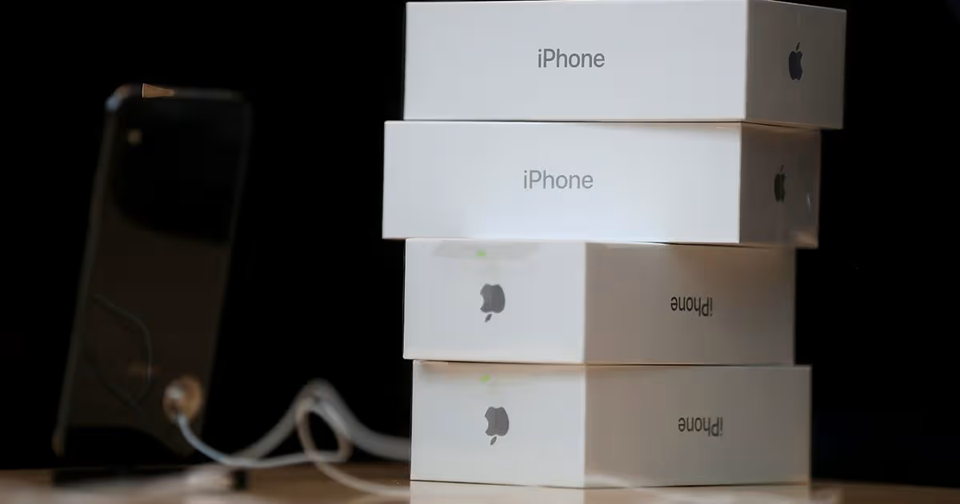
Apple is making more aggressive moves to diversify its OLED supply chain, reducing its longstanding reliance on Korea’s Samsung and LG.
For years, Apple’s main OLED suppliers have primarily been Samsung, from the iPhone X era to the current Pro models. However, a new player is now taking on a bigger function.
According to new industry reports, Apple and BOE Technology Group are deepening their partnership, targeting the shipment of 35 million OLED panels for iPhones throughout the year.
Apple began using BOE display panels in 2021 before later expanding their use across some standard iPhone models, including the iPhone 12, 13 and 14 series.
While the Chinese company initially struggled to meet Apple’s quality standards, it eventually became a regular supplier of some lower-tier iPhone models. Now, the partnership appears to be expanding further.
Currently, BOE has solidified its position as the primary supplier for legacy models and entry-level iPhones including the new 17e.
By scaling with BOE, Apple gains greater bargaining power, ensuring no single supplier can dictate pricing or create problems in the global distribution of its most popular devices.
The 35 Million Display Target is Not Random
Being one of the most important tech companies globally, Apple cannot just hand over the supply of 35 million OLED panels to a supplier unless they have passed years of testing, calibration, and manufacturing scrutiny.
BOE’s expected 35 million panel allocation is likely linked to Apple’s more mainstream iPhone lineup. Devices like the upcoming standard iPhone models and future “e” variants are expected to benefit the most from this partnership expansion.
Unlike many Android manufacturers that aggressively market AMOLED saturation with high peak brightness, Apple’s philosophy has always been about a balance of colour, power efficiency and long-term reliability.
This approach has become highly important in regions where millions of users keep their devices longer than before.
The more Apple distributes OLED panel production across multiple suppliers, the stronger its bargaining position becomes.
However, this does not imply that Samsung is suddenly out of the picture.
Samsung Display is still expected to be Apple’s primary supplier, particularly their most advanced niche OLED panels, especially in areas where manufacturing complexity is higher.
This includes displays for Pro iPhone models, high-refresh LTPO panels, ultra-thin OLED architectures, and potentially Apple’s rumoured foldable iPhone.
What Apple is doing is not replacing Samsung, but redistributing responsibilities and reducing overall dependence on a single supplier.


