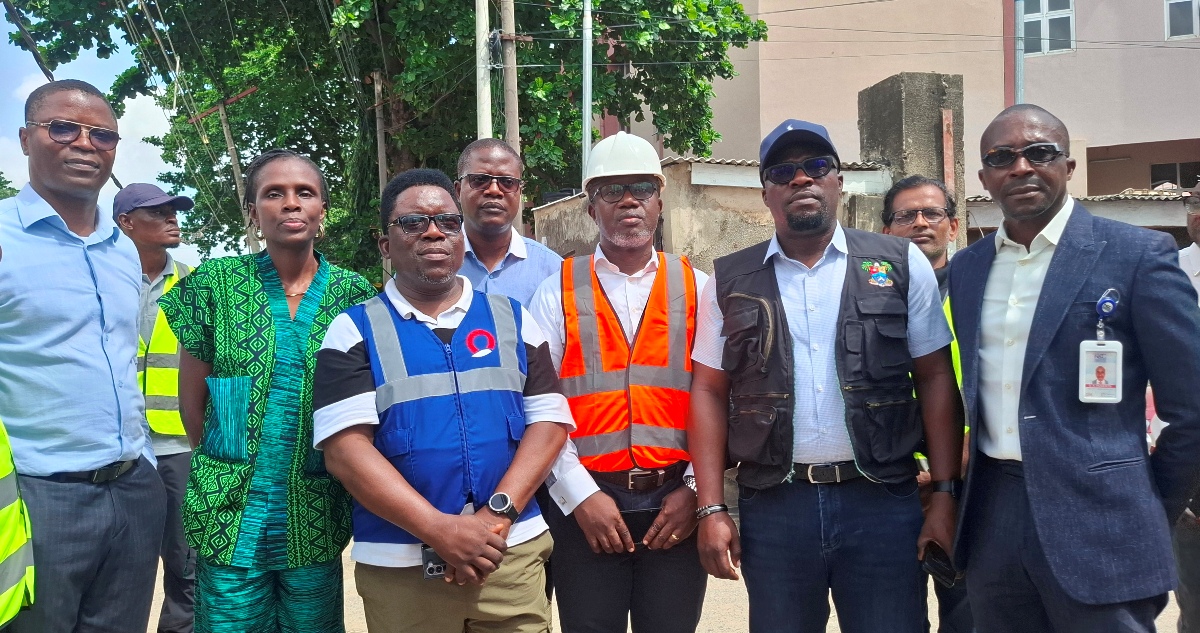
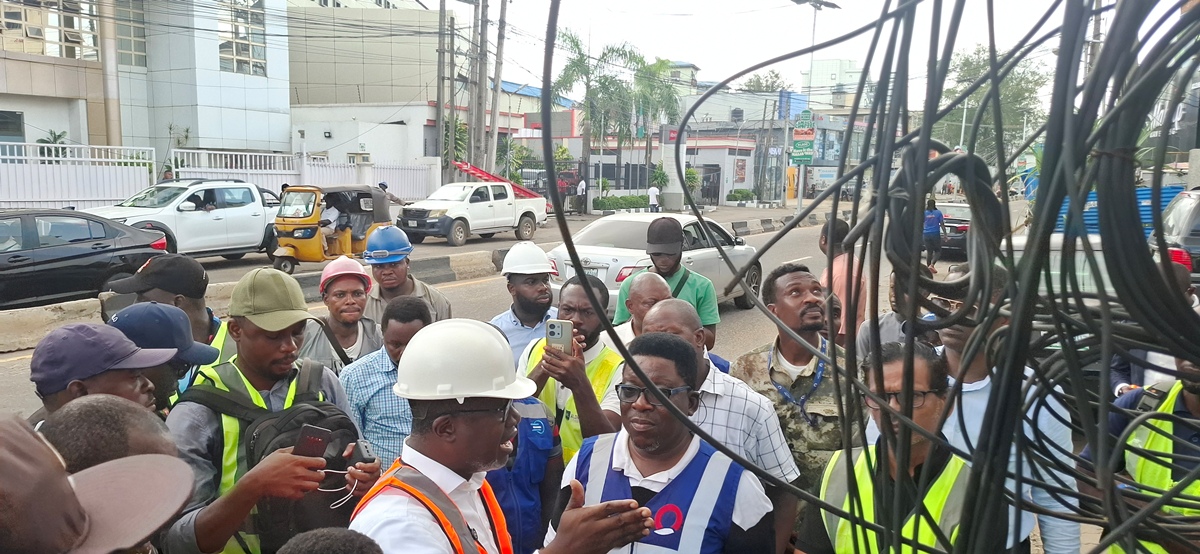
The Nigerian Communications Commission in collaboration with the Lagos State Infrastructure Maintenance and Regulatory Agency and the Association of Telecommunications Companies of Nigeria, today, commenced a statewide Telecom Infrastructure Cleanup Exercise aimed at sanitising telecom infrastructure deployment across Lagos State and protecting Critical National Information Infrastructure.
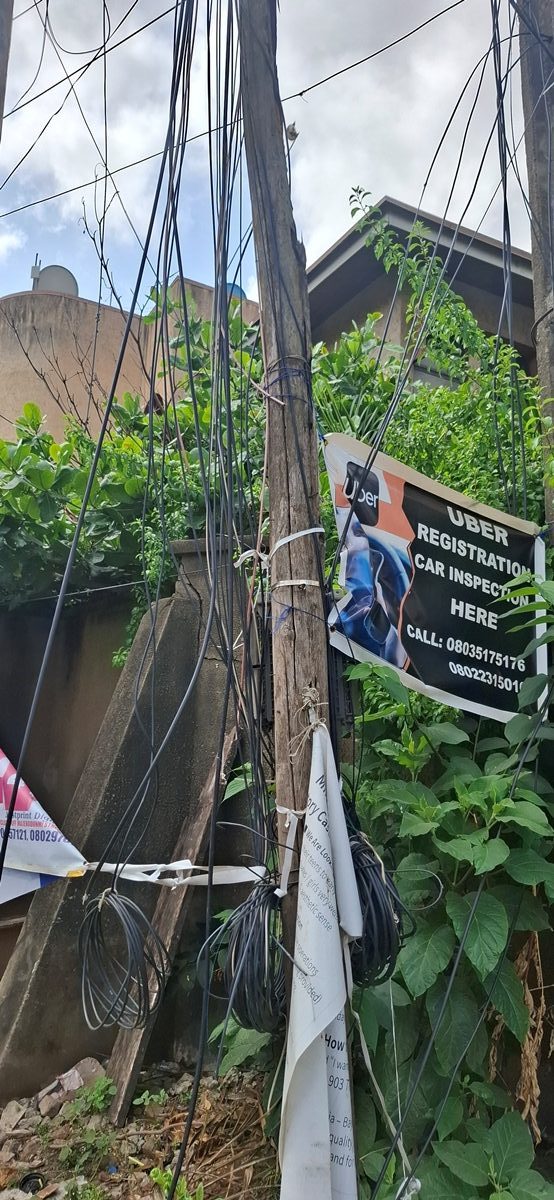
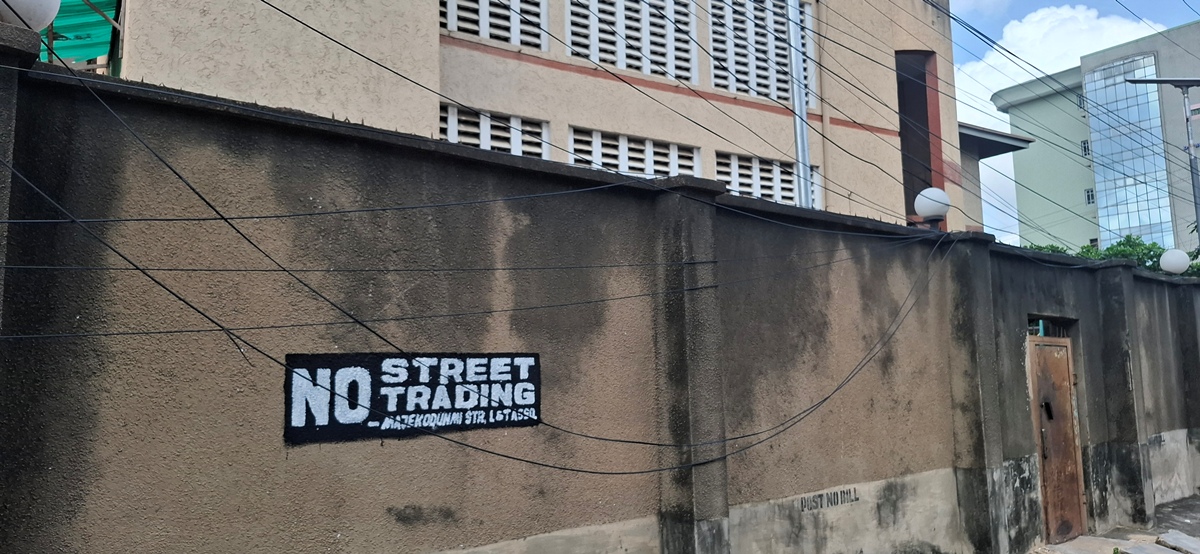
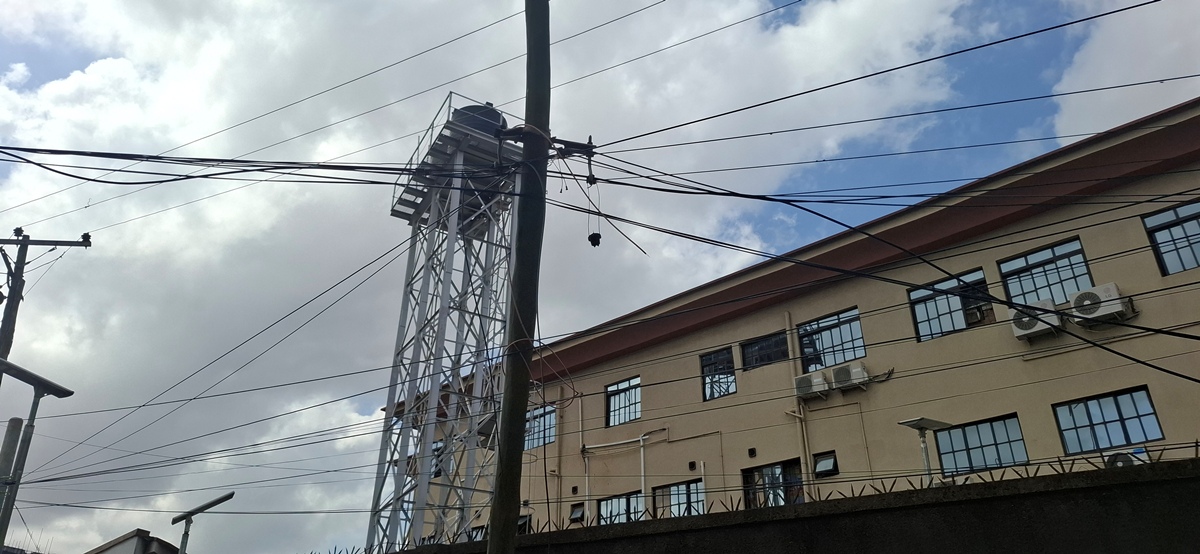
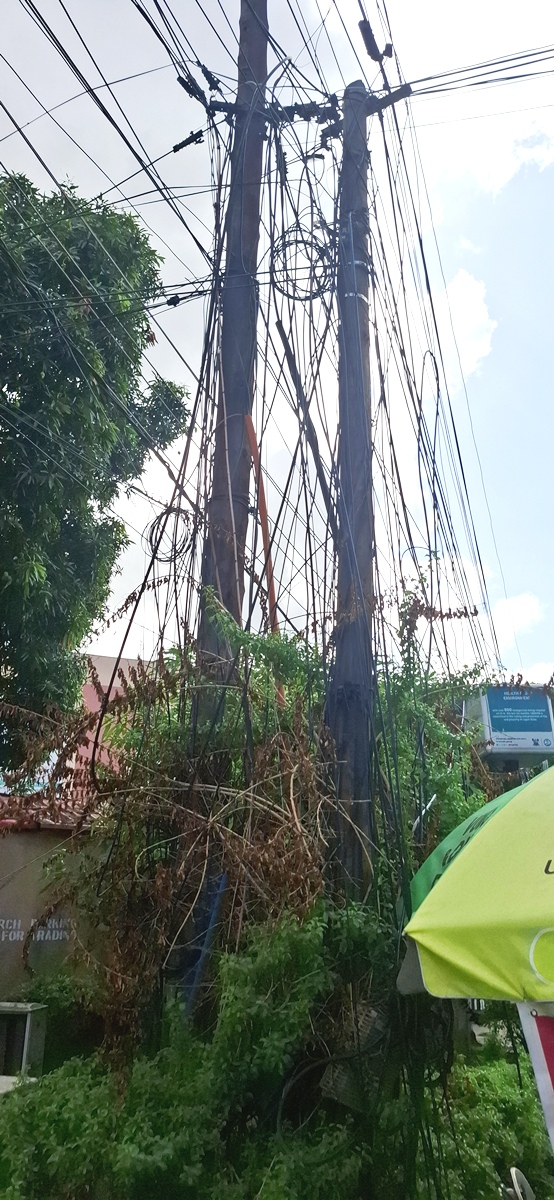
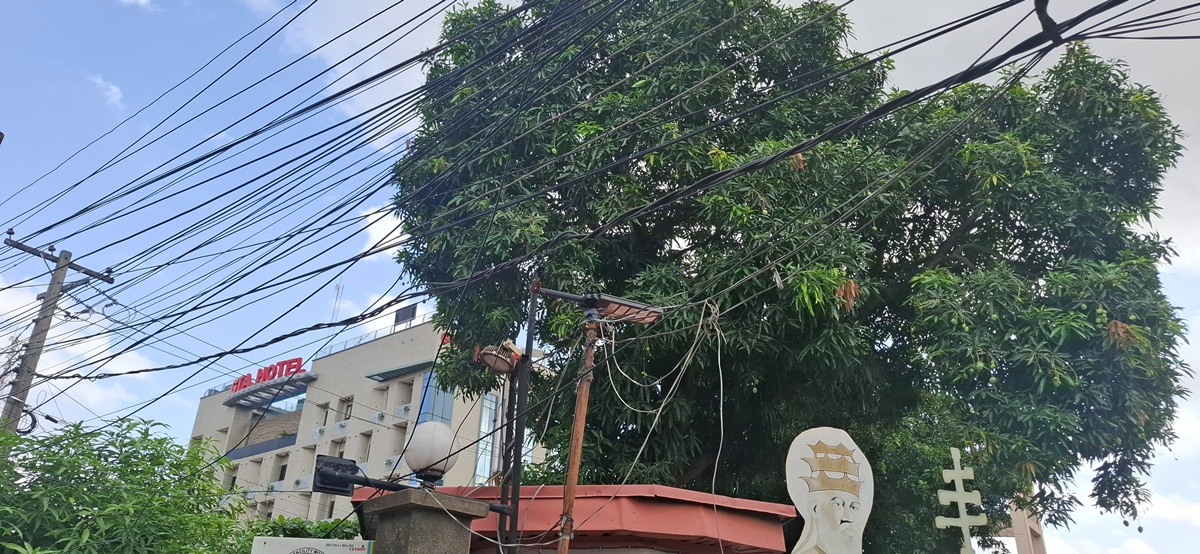
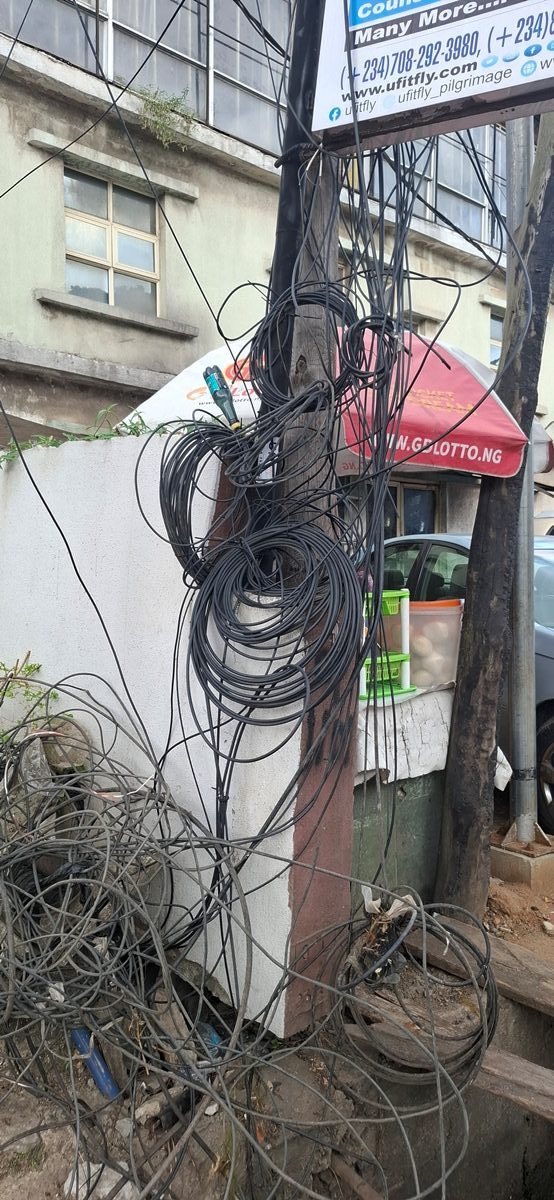
The first phase of the exercise, which commenced at Toyin Street, Ikeja, and adjoining streets, revealed widespread cases of improperly deployed over-the-air fibre cables, with several cables found dangerously hanging on gates, utility poles, gutters, and bare floors.
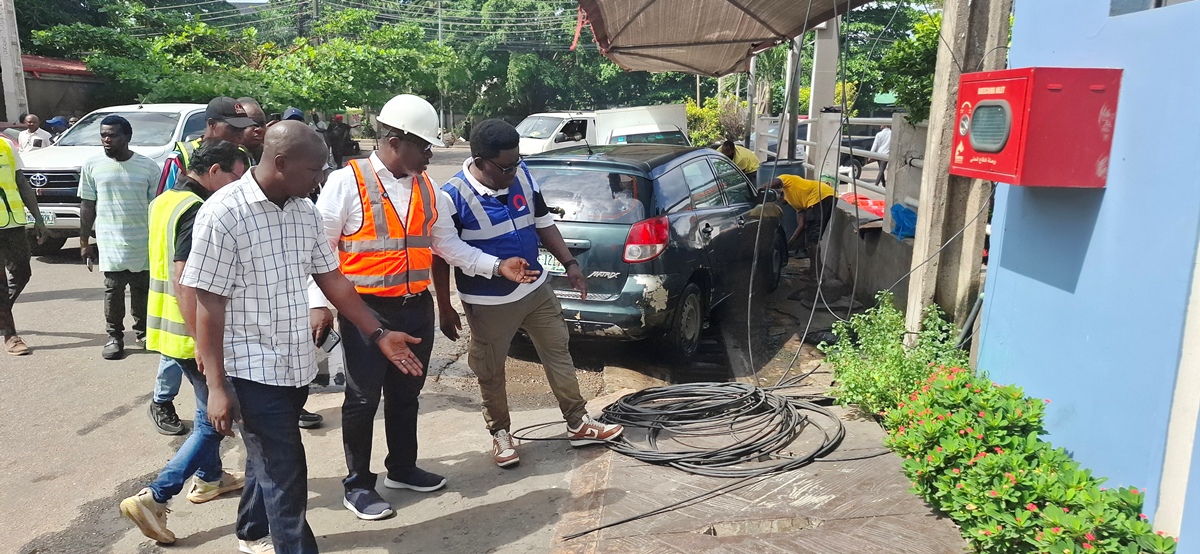
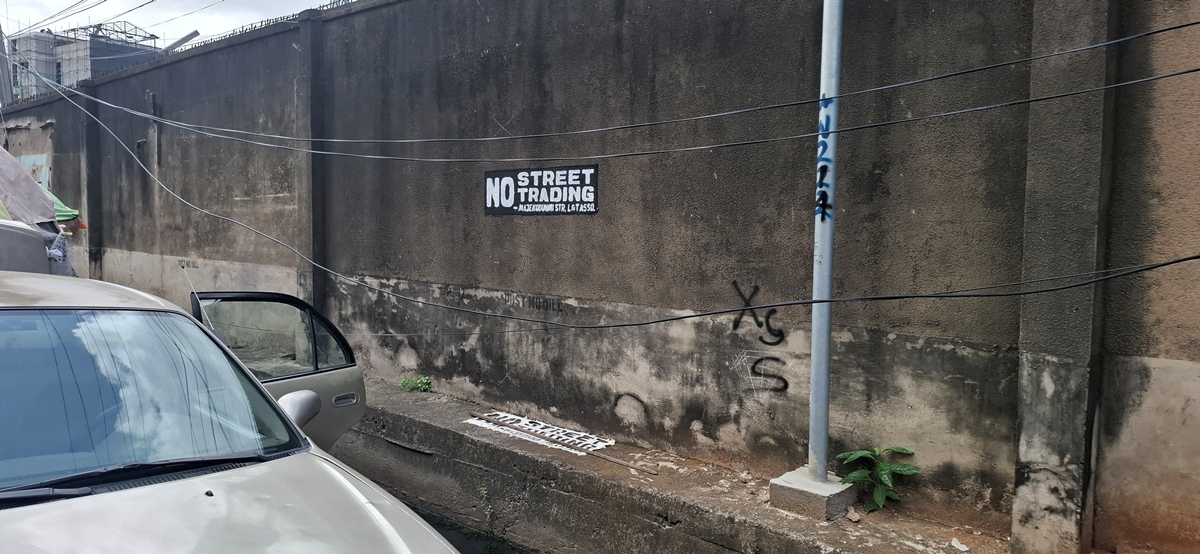
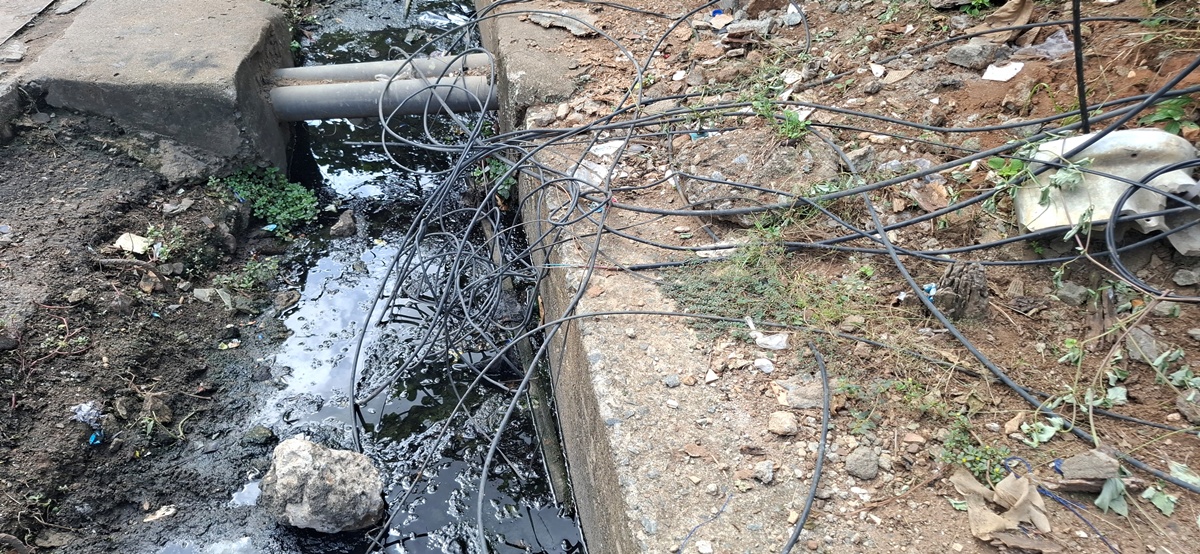
Some of the exposed cables were observed to be live and hanging dangerously close to the ground, posing risks to public safety, environmental aesthetics, and telecom service quality.
Speaking during the exercise, Mr. Tunji Jimoh, Zonal Controller of the NCC Lagos Zonal Office, said the initiative forms part of nationwide efforts to safeguard telecommunications infrastructure and improve quality of service delivery.
Represented by Mr. Deji Roberts, Assistant Director at NCC, Jimoh expressed concern over the poor manner in which some telecom infrastructure had been deployed across parts of Lagos.
“The Commission is concerned about the manner these telecom infrastructures are deployed. Neglecting them exposes critical infrastructure to damage and can negatively impact quality of service delivery to subscribers,” he said.
He noted that the exercise is a national initiative currently piloted in Lagos State and commended LASIMRA for its collaboration and support toward sanitising the environment and ensuring proper infrastructure redeployment.
Jimoh also assured residents and subscribers that the cleanup and redeployment process would not disrupt telecom services within the affected areas.
Also speaking, Mr. Akinbiyi Akindipe, Head of Monitoring and Enforcement at LASIMRA, described the exercise as evidence of the Agency’s commitment to maintaining a “human-face” regulatory approach while ensuring compliance with infrastructure standards.
According to him, allowing telecom infrastructure to remain improperly deployed would continue to affect network service quality, public safety, and the urban environment.
“Lagos State under the leadership of Governor Babajide Sanwo-Olu places high priority on the protection of critical national infrastructure. However, improper deployment of such infrastructure must be addressed,” he said.
Akindipe added that LASIMRA was giving operators, through ATCON, the opportunity to urgently correct identified infractions before enforcement actions become necessary.
He stressed that the Agency was not in a hurry to impose sanctions but insisted that operators must take immediate responsibility for redeploying infrastructure according to approved standards.
On his part, Mr. Segun Okuneye, chairman of the ATCON Clean-up Committee, said the exercise demonstrates the telecommunications industry’s commitment to supporting environmental sustainability and improving the aesthetics of Lagos State.
“The telecommunications industry remains committed to supporting initiatives that create a cleaner, safer, and more organised environment for residents and businesses across Lagos State,” he said.
Okuneye disclosed that ATCON would convene an urgent industry-wide stakeholders’ meeting to develop a comprehensive roadmap for correcting legacy infrastructure deployment issues and preventing future occurrences.
He further urged Internet Service Providers (ISPs) and telecom operators to strictly comply with laid-down infrastructure deployment procedures and assured regulators of ATCON members’ readiness to collaborate fully with NCC and LASIMRA throughout the exercise.
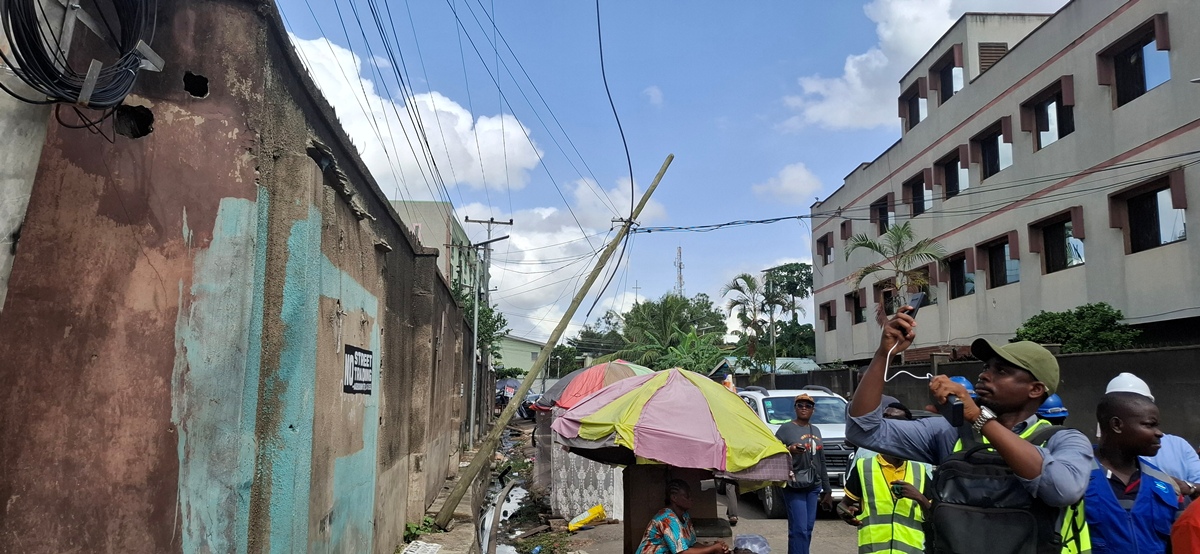
The cleanup exercise attracted participation from several telecom infrastructure and service providers, including Galaxy Backbone Limited, MTN Nigeria, Airtel Nigeria, FibreOne, TNL, ipNX, IHS Nigeria, OneData, African Data Centres, and other industry players.
The initiative is expected to continue across different parts of Lagos State as regulators and industry stakeholders intensify efforts to improve infrastructure standards, public safety, environmental orderliness, and telecom service reliability.