

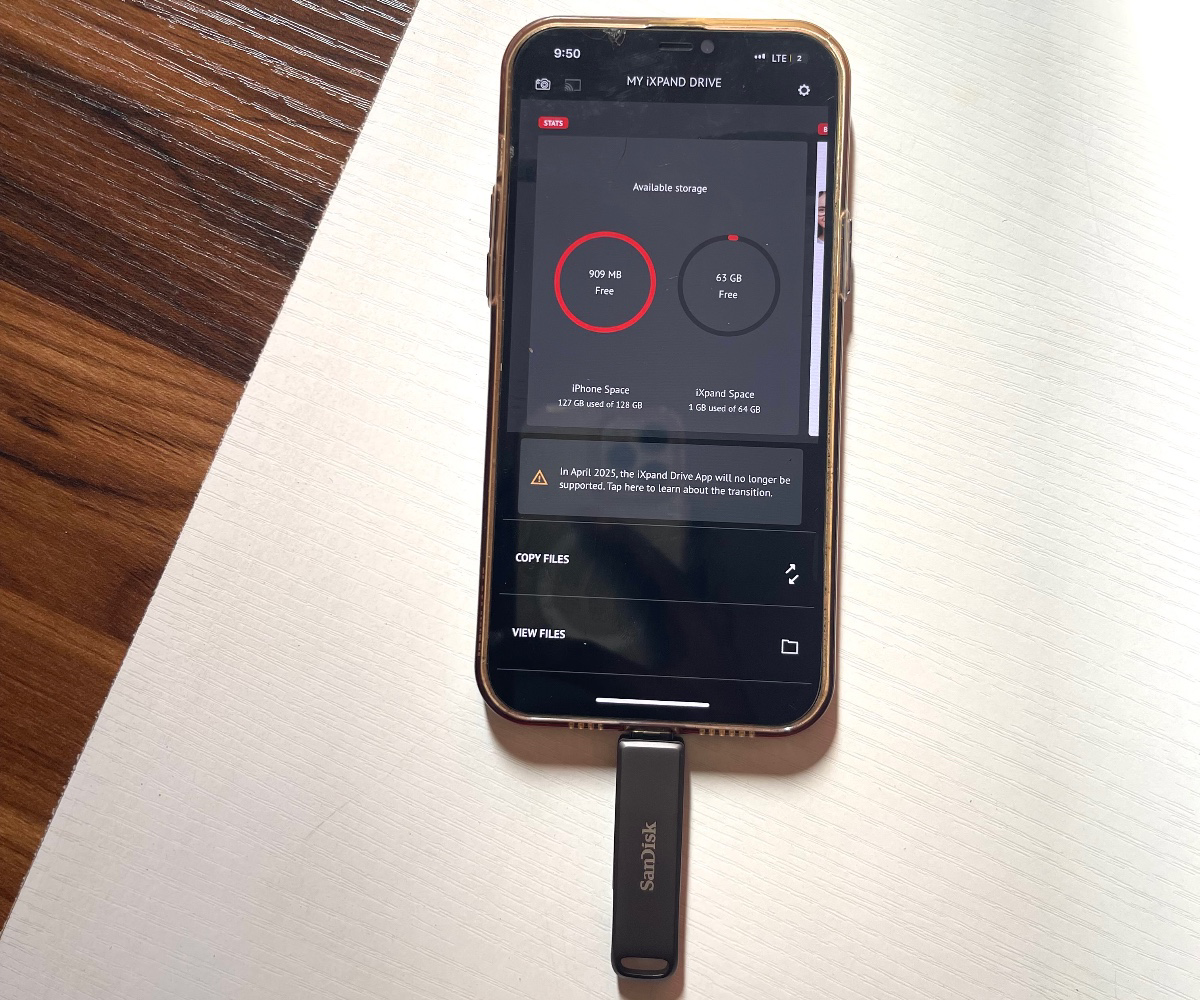
Before now, a smartphone with 32GB or 64GB of storage was enough for many users. But today, even devices with 128GB fill up faster than many users expect, and some users also encounter similar challenges on 256GB, eventually.
This has made many smartphones users wonder why their devices seem to run out of storage much faster than before.
The answer lies in how smartphone and digital services have changed. Today’s mobile devices are more powerful than before, and the apps, photos, videos, and features that come with them also require more storage.
One major reason behind smartphones running out of storage space quickly is that mobile apps have become much larger.
Mobile apps have significantly evolved far beyond their original purpose. Social media platforms now support features such as short-form video creation, live streaming, AI-powered recommendations, and integrated business tools. As a result, app sizes and updates are often larger than they were a few years back.
Photos and videos are another major reason for storage consumption. Smartphone cameras have improved significantly over the years, with many devices now offering 50MP, 108MP, and even 200MP sensors.
While these cameras produce sharper and more detailed images and videos, the resulting files are much larger than those produced by older phones.
A few minutes of 4K video can consume hundreds of megabytes, and regular content creation can quickly fill up available storage.
For many users, WhatsApp may be the biggest hidden storage consumer. Photos, videos, voice notes, documents, status updates, and stickers are often downloaded automatically and stored on the user’s device.
These files then accumulate in the background, occupying several gigabytes without the user’s knowledge. In active groups like a class, church, friends, or social groups, the amount of media received daily can be substantial.
Artificial intelligence is also contributing to growing storage demand. Many modern smartphones now include AI-powered features like image enhancement object and background removal, live translation, voice transcription, and smart assistants. While they improve the user’s experience, these tools often require additional software components and data files that occupy storage devices.
Also, smartphones operating systems themselves have become much larger. New versions of Android and iOS come with expanded functionality, improved security features, and deeper integration with cloud services.
Manufacturers also pre-install applications and system tools that take up parts of the available storage before users even begin using their devices.
The growing popularity of streaming and content creation has also played a significant role. Offline downloads from platforms such as Netflix, Spotify and YouTube can consume a large amount of storage, especially when high-quality settings are enabled. Users who download content for later watch or listening, available space can disappear quickly.
What Can Users Do?
Though the demand for storage space is majorly a result of modern smartphones usage, there are some steps users can take to manage available space more effectively.
1. Review Your Storage Usage Regularly
Most smartphones provide a breakdown of what is consuming user’s storage, including the apps, photos, videos and documents. Checking them regularly can help you identify and remove unnecessary files before it becomes a problem.
2. Manage Your WhatsApp Media Downloads
WhatsApp is often one of the largest consumers of storage. Users can reduce unnecessary downloads by disabling automatic media downloads and deleting old photos, videos, and documents that are no longer needed.
3. Remove Unused Apps
Many mobile phone users still keep apps they rarely use. Uninstalling applications that have not been opened for several months can free up significant storage space while also reducing background activity.
4. Make Use of Cloud Storage
Google photos, Google Drive, and iCloud can help reduce the burden on local storage. Users should also ensure that files already backed up to cloud are not unknowingly duplicated on the devices.
5. Clear App Cache
Applications store temporary files, known as cache to improve performance. These files often accumulate and occupy some spaces. Clearing cache can help recover storage without affecting valuable personal data.
6. Choose Your. Storage Based on Usage Habits
The need for storage varies from one user to another. While everyday smartphone user may be comfortable with 128GB, those who frequently create video contents for brands and companies, and store a large amount of media should consider 256GB, 512GB or even a higher capacity when purchasing a new smartphone.
As smartphones cameras improve, applications become more sophisticated and AI features become increasingly common, the demand for storage is likely to continue rising. For consumers, this means storage capacity should now be considered as carefully as battery life, camera quality and processing power when buying a new device.
It is also important to know that smartphones running out of storage are not always a sign that something is wrong. In many cases, it shows the reality of how modern digital services work. Understanding what is taking up space can help users manage their devices more effectively and make better purchasing decisions in the future.