

ADVERTISEMENT
Sunday, May 17, 2026
Tech | Business | Economy
No Result
View All Result
  • Technology
    • Trends
    • Telecoms
      • Broadband
    • ConsumerTech
      • Gadgets and Appliances
      • Apps
      • Accessories
      • Reviews
      • Unboxing
    • EnterpriseTECH
    • Security & Data Protection
    • How To
  • Business
    • Company News
    • StartUPs
      • Founder’s Story
      • Funding
    • Deals
    • People & Moves
    • SME & Entrepreneur Focus
    • BUSINESS SENSE FOR SMEs
    • Competition & Market Positioning
    • Commerce & Mobility
    • Travel
    • WomenPreneurs
  • Economy
    • Macroeconomic Trends
      • Macro Monday
      • TE Insights
    • Finance
      • Banks
      • Fintech
      • Insurance
      • Digital Assets
      • Personal Finance
    • Policies
      • Tech & Society
    • Market Analysis
    • Jobs & Workforce Economy
  • Features
    • Guest Writer
      • Chidiverse
      • Digital Assets
      • GameTech
    • EventDIARY
    • IndustryINFLUENCERS
    • MarkTECH
    • TBS
    • NewsEXTRA
  • Editorial
  • Brand Content
  • TECHECONOMY TV
Sunday, May 17, 2026
Tech | Business | Economy
No Result
View All Result
Tech | Business | Economy
No Result
View All Result

Home » AXA Mansard Identifies Five Ways FX Unification Shapes Nigeria’s Economy

AXA Mansard Identifies Five Ways FX Unification Shapes Nigeria’s Economy

Techeconomy by Techeconomy
July 7, 2023
in Finance
Reading Time: 3 mins read
1
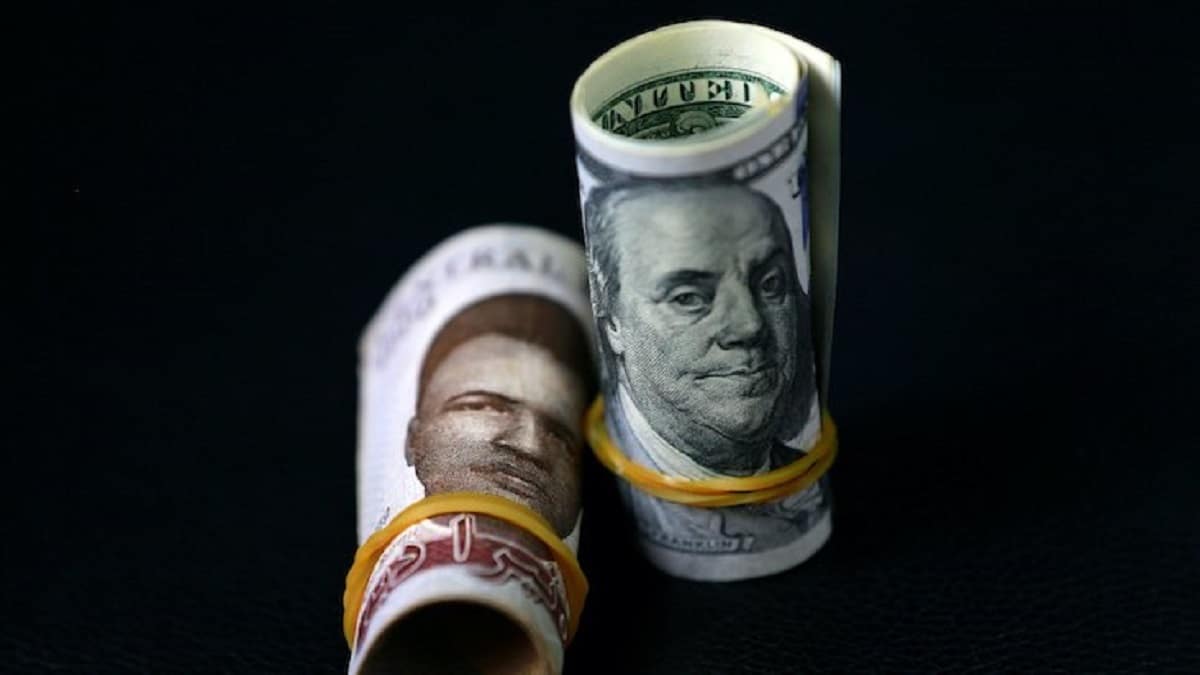
Naira and Dollar - FX for exporters, Naira Devaluation, CBN

Naira and Dollar

The Central Bank of Nigeria (CBN) on June 14, 2023 adopted a managed floating exchange rate system with the aim of unifying the multiple exchange rates (FX unification) in the country.

In a newsletter shared on Friday, July 7, 2023, AXA Mansard, a leading insurance company in Nigeria, highlighted how the FX unification allows buyers and sellers of foreign currency in the official foreign exchange (FX) market to determine exchange rates based on their own preferences.

However, the CBN may intervene to regulate the value of the currency. The insurance company started by answering the question:

What is the meaning of a managed floating exchange rate? 

“A managed floating exchange rate is a system where the value of a country’s currency is determined by the foreign exchange (FX) market but with frequent intervention from the country’s central bank so as to reduce the level of currency volatility”.

Effects of this policy on the Nigerian economy: 

Subscribe to our Telegram channel for the latest updates.

Follow the latest developments with instant alerts on breaking news, top stories, and trending headlines.

Join Channel

1. Export opportunities: 

The depreciation of the Naira resulting from this policy can make Nigerian goods and services relatively cheaper in the global market, potentially increasing export opportunities and leading to increased revenue and job opportunities within Nigeria’s export sector. 

2. Foreign Direct Investment (FDI) Inflows: 

A weaker currency can make Nigeria more attractive to foreign investors as it lowers the cost of investment. It also allows for easier repatriation of profits. This has the potential to stimulate FDI inflows into Nigeria, bringing in capital, technology, and expertise.

However, other factors such as political stability and the investment climate also play crucial roles in attracting foreign investments. 

3. Inflationary pressure: 

One immediate effect of this policy is its impact on prices. The depreciation of the Naira can lead to higher prices of imported goods and raw materials, as the cost of importing these items becomes higher in domestic currency terms.

This can potentially increase the cost of living in Nigeria, considering it’s an import-dependent economy. 

4. Increase in external debt value: 

Nigeria carries a significant amount of external debt. This policy increases the cost of servicing the debt, as the government needs to allocate more Naira to repay these debts. 

5. Foreign travel and remittances: 

This policy affects Nigerians who travel abroad or receive remittances from family members living abroad, as the amount of foreign currency received in exchange for Naira can vary over time. Therefore, individuals have to closely monitor the exchange rate and determine the optimal time for currency conversion. 

The recent implementation of the managed floating exchange rate policy in Nigeria presents both opportunities and challenges. Proper management of this policy is crucial for Nigerians to enjoy its benefits while mitigating its adverse effects on the Nigerian economy. 

For investors seeking protection against Naira volatility, AXA Mansard’s Dollar Bond Fund provides an ideal option.

It enables individuals to earn additional income while safeguarding their funds against local currency risks. 

[Source: AXA Mansard]

0Shares
Previous Post

Ports & Cargo Handles $200m Kano-Maradi Rail Project Equipment

Next Post

Africa50 Launches $500m Infrastructure Acceleration Fund with Investors

Techeconomy

Techeconomy

Related Posts

CBN OMO | Olayemi Cardoso | FX Manual

Cardoso Unveils Revised FX Manual to Deepen Nigeria’s Foreign Exchange Reforms

May 16, 2026
CoinEx | Crypto Savings vs Traditional Savings

Crypto Savings vs. Traditional Bank Savings Accounts: What is the Difference?

May 16, 2026

FCMB Backs REA ₦257.6 billion Fund Raise to Develop 191MW Solar Capacity

May 14, 2026
Load More
Next Post
Africa50 Launches $500m Infrastructure Acceleration

Africa50 Launches $500m Infrastructure Acceleration Fund with Investors

Comments 1

  1. Pingback: AXA Mansard Identifies Five Ways FX Unification Shapes Nigeria’s Economy - News Curators

Leave a Reply Cancel reply

Your email address will not be published. Required fields are marked *

I agree to the Terms & Conditions and Privacy Policy.

This site uses Akismet to reduce spam. Learn how your comment data is processed.

Techeconomy Podcast
Techeconomy Podcast

The Techeconomy Podcast is a thought-leadership show exploring the powerful intersection of technology, business, and the economy, with a strong focus on Africa’s fast-evolving digital landscape.

PROTECTING INNOVATION IN AFRICA’S STARTUP ECOSYSTEM
byTecheconomy

Protecting Innovation in Africa’s Startup Ecosystem . A timely conversation for the future of African entrepreneurship.

PROTECTING INNOVATION IN AFRICA’S STARTUP ECOSYSTEM
April 29, 2026
Techeconomy
BUILDING TRUST IN AFRICA ECOSYSTEM
February 27, 2026
Techeconomy
Navigating a Career in Tech Sales
January 29, 2026
Techeconomy
How Technology is Transforming Education, Health, and Business
November 27, 2025
Techeconomy
INNOVATION IN MOBILE BANKING
October 30, 2025
Techeconomy
Search Results placeholder
ADVERTISEMENT
  • About Us
  • Careers
  • Contact Us
  • Privacy Policy

© 2026 TECHECONOMY.

No Result
View All Result
  • Technology
  • Business
  • Economy
  • Features
  • Editorial
  • Brand Content
  • TECHECONOMY TV

© 2026 TECHECONOMY.

This website uses cookies. By continuing to use this website you are giving consent to cookies being used. Visit our Privacy and Cookie Policy.


