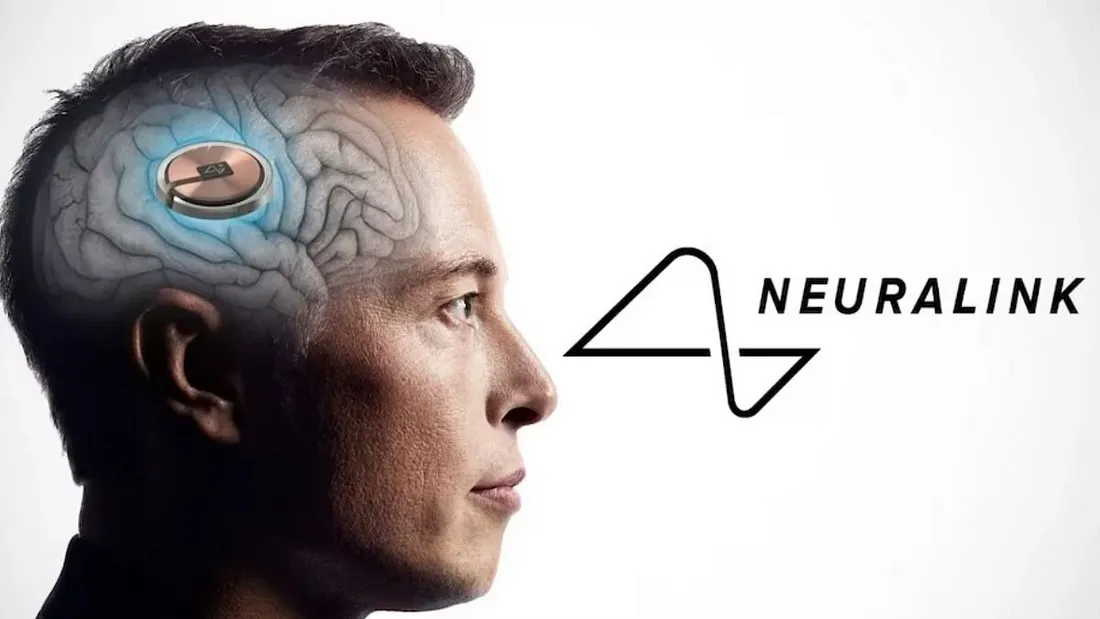
Neuralink is on the hunt for more money—half a billion dollars to be exact—despite still being in the middle of clinical trials and facing a host of scientific, ethical, and regulatory questions.
Sources close to the matter say the brain-implant startup, founded by Elon Musk, is aiming for a pre-money valuation of $8.5 billion. If successful, the round would push the company’s worth to roughly $9 billion.
This is a massive leap from last year’s $5 billion valuation and a far cry from the $280 million it had raised previously under the watch of Peter Thiel’s Founders Fund. Although, an insider revealed that the deal could still change.
We’ve seen this pattern before—Musk’s ventures grow fast, burn cash faster, and rely on great visions to stay ahead. But Neuralink isn’t building electric cars or rockets. It’s building brain chips.
The company’s first human trial, conducted earlier this year, enabled a paralyzed man to move a cursor, play games, and browse the web using only his thoughts.
It’s a breakthrough—but not without cracks. Reports emerged that some electrode threads in the implant had started retracting, a glitch that could reduce performance.
This isn’t Neuralink’s first clash with reality. In 2023, the U.S. Food and Drug Administration rejected its application to begin human testing, citing safety concerns.
The agency has since given the green light, but those early doubts haven’t disappeared. Meanwhile, the SEC reopened an investigation late last year into Neuralink’s safety claims, probing whether the company may have misrepresented what its brain chip could actually do.
And then there’s the competition. Neuralink isn’t alone in this race. Synchron Inc., a rival neurotech firm, is also testing implants that let users type with their thoughts.
Precision Neuroscience recently earned a “Breakthrough Device” designation from the FDA—an edge in a sector where time, approvals, and credibility matter as much as innovation.
Yet Neuralink remains the flashiest name in the room, in no small part because Musk won’t stop talking. His goals go far beyond helping people with spinal injuries. He’s said, quite literally, that his chip could eventually be used “to treat obesity, autism, depression and schizophrenia.” That’s on top of letting people “surf the web and communicate telepathically.”
Meanwhile, the company continues to look for human volunteers. Neuralink’s current clinical trial—the PRIME Study—is recruiting patients with severe spinal injuries or ALS. The goal? Test if brain signals can reliably control external devices.
All of this is happening while Musk’s empire balloons. SpaceX recently hit a $350 billion valuation. xAI, his AI startup, was valued at $80 billion after a merger with X, formerly known as Twitter. Musk himself remains the world’s richest man, with Bloomberg pegging his net worth at $301 billion.
But Neuralink, unlike Tesla or SpaceX, looks beyond performance or profits. It’s about the brain. About trust. And that makes everything more complicated. Raising $500 million might be easy if investors are dazzled by dreams. Delivering on those dreams? That’s a much harder implant.