


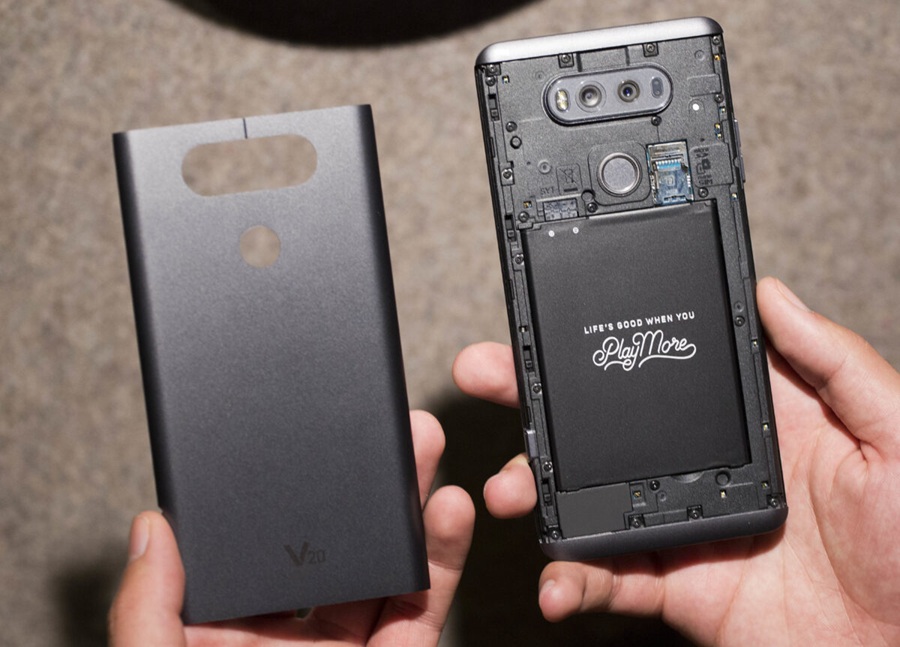
In 2023, the European Union passed legislation requiring portable electronic devices to have removable batteries by 2027.
The regulation has resurfaced this month after the EU expanded its list of exemptions to include wearables such as smartwatches, fitness trackers and electric toys.
Following pressure from U.S. lawmakers this week, the EU also relaxed the rules for smart glasses, removing what many considered one of the biggest barriers to wider adoption ahead of next year.
However, the biggest concern among consumers has always been smartphones.
At first glance, the regulation appears to have major implications for the smartphone industry. It seems to suggest that manufacturers would have no choice but to sell smartphones with removable batteries in the EU from next year.
Fortunately for most smartphone makers, many modern smartphones already meet the exemption criteria.
The exemption requirements for smartphones include:
- High battery endurance: Smartphones must retain at least 83% of their rated battery capacity after 500 charging cycles. They must also achieve at least 1,000 charging cycles while retaining a minimum of 80% of their original battery capacity.
- Water and dust resistance: Smartphones must also meet an IP67 rating or higher to qualify for the exemption.
If a smartphone does not meet these requirements, it must have a removable battery, allowing consumers to replace it themselves using readily available tools.
Most modern smartphones already satisfy the battery endurance requirement, but an IP67 rating is still uncommon in the budget segment.
This means budget devices such as the Galaxy A07, or even the new Galaxy A27 if released next year with the same IP rating, would have to ship with removable batteries.
In other words, most flagship smartphones are unlikely to be affected by the regulation. That includes Apple’s iPhone lineup and Samsung’s Galaxy S series, which already meet the required durability standards.
Can This Regulation Impact Global Smartphone Design?
Most likely.
Although Europe accounts for only around 10% of the global smartphone market, it remains one of the world’s most influential technology regulators because of a phenomenon known as the Brussels Effect.
The European Union operates as a single market of more than 450 million relatively affluent consumers, making it too important for global technology companies to ignore.
As a result, manufacturers often redesign products to meet EU requirements and then introduce those same changes worldwide instead of maintaining separate production lines.
The Brussels Effect is best illustrated by the EU’s USB-C mandate. Apple abandoned the Lightning port and adopted USB-C across the iPhone lineup globally rather than producing a Europe-only version.
Ultimately, the removable battery regulation is not just about making batteries easier to replace. It also sets minimum standards for smartphone durability.
At the same time, the new exemptions for wearables and smart glasses remove potential barriers for manufacturers targeting Europe’s premium consumer market, allowing innovation in those product categories to continue with fewer regulatory constraints.



