

ADVERTISEMENT
Saturday, May 2, 2026
Tech | Business | Economy
No Result
View All Result
  • Technology
    • Trends
    • Telecoms
      • Broadband
    • ConsumerTech
      • Gadgets and Appliances
      • Apps
      • Accessories
      • Reviews
      • Unboxing
    • EnterpriseTECH
    • Security & Data Protection
    • How To
    • GameTech
  • Business
    • Company News
    • StartUPs
      • Founder’s Story
      • Funding
    • Deals
    • People & Moves
    • SME & Entrepreneur Focus
    • BUSINESS SENSE FOR SMEs
    • Competition & Market Positioning
    • Commerce & Mobility
    • Travel
    • WomenPreneurs
  • Economy
    • Macroeconomic Trends
      • Macro Monday
      • TE Insights
    • Finance
      • Banks
      • Fintech
      • Insurance
      • Digital Assets
      • Personal Finance
    • Policies
      • Tech & Society
    • Market Analysis
    • Jobs & Workforce Economy
  • Features
    • Guest Writer
      • Chidiverse
      • Digital Assets
    • EventDIARY
    • IndustryINFLUENCERS
    • MarkTECH
    • TBS
    • NewsEXTRA
  • Editorial
  • Brand Content
  • TECHECONOMY TV
Saturday, May 2, 2026
Tech | Business | Economy
No Result
View All Result
Tech | Business | Economy
No Result
View All Result

Home » Finally, Nigerian Government Removes Fuel Subsidy

Finally, Nigerian Government Removes Fuel Subsidy

Justice Godfrey Okamgba by Justice Godfrey Okamgba
May 31, 2023
in Company News
Reading Time: 3 mins read
0
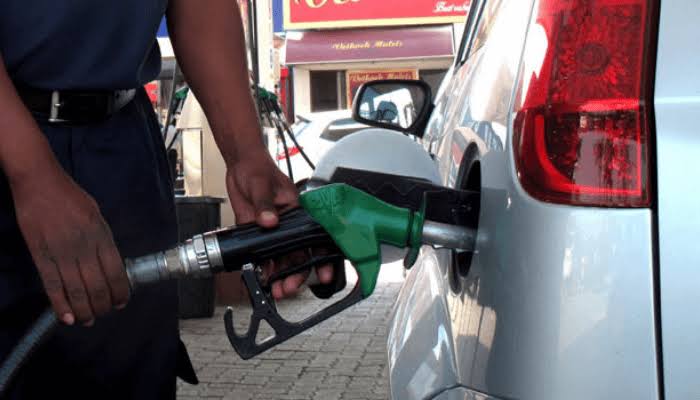
Fuel Subsidy

The Nigerian government’s decision to remove the subsidy on premium motor spirit (PMS), commonly known as petrol, has significant implications for pump prices across the country.

The Nigeria National Petroleum Company (NNPC) Limited has officially adjusted its pump price to N537 per liter in Abuja, while in Lagos State, the retail fuel price is now N488 per liter. It is expected that other fuel marketers will follow suit and adjust their prices accordingly.

This move by the government comes as the NNPC, being the sole supplier of petrol in Nigeria, plays a crucial role in ensuring energy security. The adjustment in fuel prices is evident across various states, with different regions experiencing varying price increases.

For instance, in Abuja and other North-Central States, the price has risen from N189 to N194 to N537 per liter. In Lagos and other South West States, prices have increased from N184 to N189 per liter to between N488 and N500.

In the South East, the price has gone up from N184 to N189 per liter to between N515 and N520, while in the North-West, it has risen from N194 to N540 per liter. In the North-East, prices have increased from N199 to N550 per liter.

The decision to remove the subsidy on PMS was welcomed by the NNPC as it had been shouldering the burden of the subsidy on behalf of the federation.

Subscribe to our Telegram channel for the latest updates.

Follow the latest developments with instant alerts on breaking news, top stories, and trending headlines.

Join Channel

The subsidy claims had affected the company’s cash flow and sustainability plans, with the federal government unable to refund the subsidy. By removing the subsidy, the NNPC can focus on its commercial operations and deliver dividends to its shareholders.

The NNPC reassured Nigerians that it has sufficient storage and supply of PMS, urging the public not to engage in panic buying.

It is working in collaboration with the Nigeria Midstream and Downstream Petroleum Regulatory Authority (NMDPRA) to develop a framework for implementing the removal of the subsidy.

As the supplier of last resort mandated by the Petroleum Industry Act (PIA), the NNPC will continue to ensure the availability of PMS and other petroleum products.

The removal of fuel subsidies had been anticipated, as the federal government has been taking steps to stop the payment of subsidies.

The 2023 Fiscal Framework and Appropriation Act, as well as the Petroleum Industry Act (PIA), have provisions for the government to exit fuel subsidies by June 2023.

The decision to remove the subsidy reflects the government’s recognition of the unsustainable nature of fuel subsidies. The monthly subsidy burden had reached approximately N400 billion, posing a significant challenge for the state to bear.
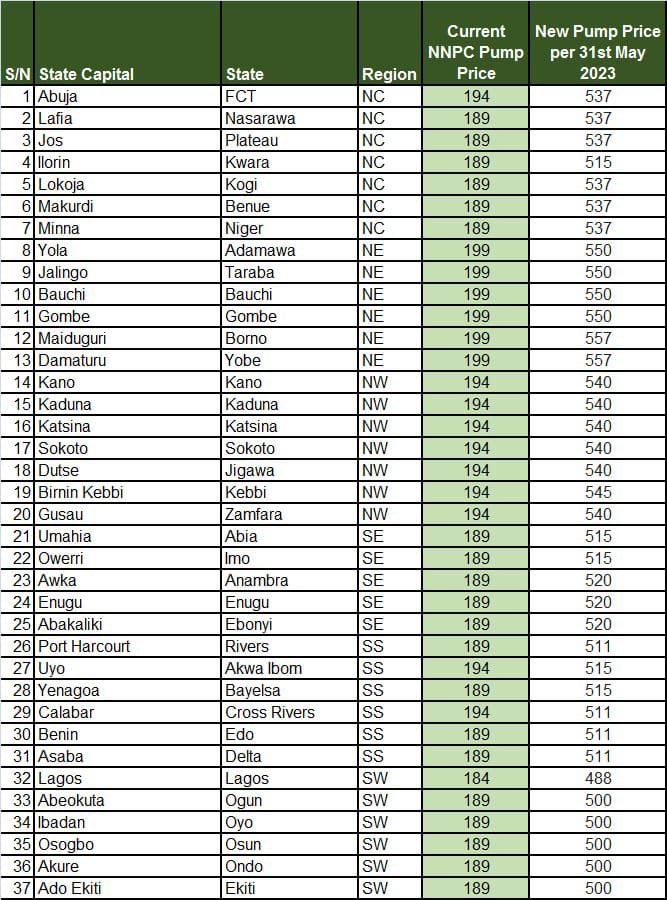
Fuel Subsidy
Source: NNPC

This move is likely to have a direct impact on the cost of living for Nigerians, as increased fuel prices can lead to higher transportation costs and inflationary pressures. It may also have implications for various sectors of the economy, including transportation, manufacturing, and agriculture, which rely heavily on affordable fuel prices.

Overall, the removal of the fuel subsidy represents a significant policy shift aimed at addressing the fiscal challenges associated with subsidies.

The government’s focus is now on developing a more sustainable and efficient energy sector that can support economic growth and development in Nigeria

0Shares

Previous Post

Unmasking Poverty in Nigeria: The Pains, Deprivation, and Remedies

Next Post

IBM Launches Watsonx to Power Next-Generation AI Foundation Models for Businesses

Justice Godfrey Okamgba

Justice Godfrey Okamgba

Related Posts

Globacom Ltd Refutes Claims of MTN Interconnect Charges Owed | workers

Glo Commends Nigerian Workers on May Day 

May 1, 2026
Lagos Digital Literacy Training for Public Servants

Lagos Commences Digital Literacy Training for 1,000 Public Servants

May 1, 2026

TD Africa, ASUS Deepens Market Presence at Partner Event Summit Nigeria 2026

April 29, 2026
Load More
Next Post
Watsonx

IBM Launches Watsonx to Power Next-Generation AI Foundation Models for Businesses

Leave a Reply Cancel reply

Your email address will not be published. Required fields are marked *

I agree to the Terms & Conditions and Privacy Policy.

This site uses Akismet to reduce spam. Learn how your comment data is processed.

Techeconomy Podcast
Techeconomy Podcast

The Techeconomy Podcast is a thought-leadership show exploring the powerful intersection of technology, business, and the economy, with a strong focus on Africa’s fast-evolving digital landscape.

PROTECTING INNOVATION IN AFRICA’S STARTUP ECOSYSTEM
byTecheconomy

Protecting Innovation in Africa’s Startup Ecosystem . A timely conversation for the future of African entrepreneurship.

PROTECTING INNOVATION IN AFRICA’S STARTUP ECOSYSTEM
April 29, 2026
Techeconomy
BUILDING TRUST IN AFRICA ECOSYSTEM
February 27, 2026
Techeconomy
Navigating a Career in Tech Sales
January 29, 2026
Techeconomy
How Technology is Transforming Education, Health, and Business
November 27, 2025
Techeconomy
INNOVATION IN MOBILE BANKING
October 30, 2025
Techeconomy
Search Results placeholder
  • About Us
  • Careers
  • Contact Us
  • Privacy Policy

© 2026 TECHECONOMY.

No Result
View All Result
  • Technology
  • Business
  • Economy
  • Features
  • Editorial
  • Brand Content
  • TECHECONOMY TV

© 2026 TECHECONOMY.

This website uses cookies. By continuing to use this website you are giving consent to cookies being used. Visit our Privacy and Cookie Policy.


