


Kashifu Inuwa, the director general of the National Information Technology Development Agency, has said Nigeria’s greatest advantage in the global economy is its people, especially its growing young population.
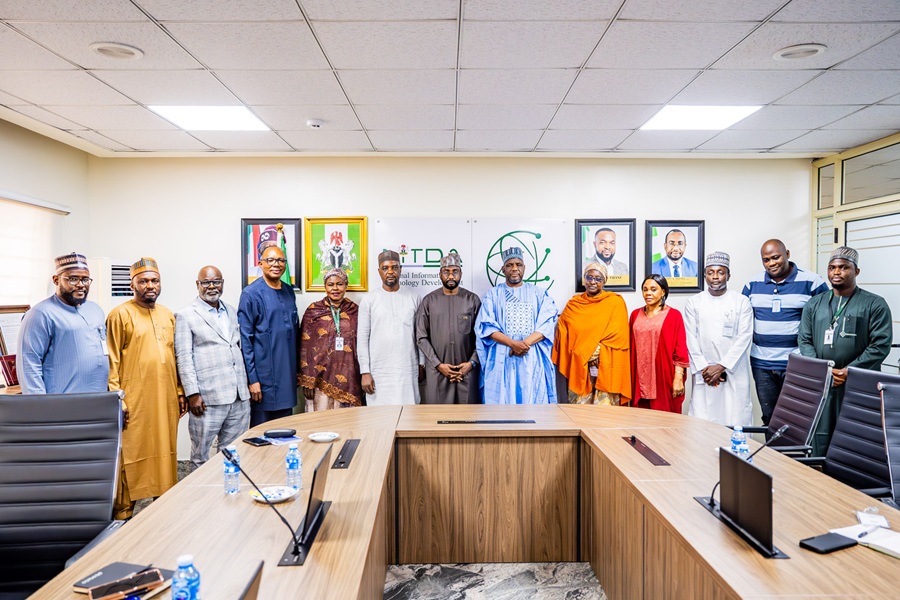
Speaking while receiving a delegation from the National Commission for Almajiri and Out-of-School Children’s Education at NITDA’s headquarters in Abuja, Inuwa said Nigeria is in a strong position at a time when many countries are dealing with ageing populations and shrinking workforces.
According to him, this demographic trend creates a major opportunity for Nigeria to supply the skilled talent the world will increasingly need.
He noted that by 2030, global demand for technical and digital skills is expected to far exceed available talent, giving Nigeria a clear chance to become an important source of workforce talent if it invests in education, skills development, and innovation.
According to him, “with the right investments in education and digital skills, Nigeria can transform its demographic advantage into a powerful engine for economic growth and global relevance.”
The NITDA boss stressed that the country has the potential to become a global talent hub and a net exporter of skilled professionals.
Reframing migration narratives, he described Nigerians in the diaspora as valuable national assets who contribute through remittances and knowledge transfer, noting that diaspora inflows remain one of Nigeria’s most stable sources of foreign exchange.
Drawing comparisons with India, Inuwa highlighted how sustained investments in human capital have enabled the Asian nation to produce top executives in leading global technology firms. He attributed this success to a deliberate system of talent development and global placement.
Addressing Nigeria’s out-of-school population, he said equipping millions of underserved individuals with digital skills could unlock vast economic opportunities and help bridge the global talent gap.
Central to this ambition, he said, is NITDA’s National Digital Literacy Framework, which targets achieving 95 per cent digital literacy nationwide by 2030.
The framework focuses on six key areas: device and software operation, information and data literacy, digital content creation, digital marketing, online safety, and problem-solving.
Inuwa further explained that digital skills could transform critical sectors such as agriculture and commerce.
Farmers, he said, can leverage digital tools and smartphones to improve productivity through data-driven decisions, while small-scale traders can expand their reach and boost income using online platforms.
On implementation, he unveiled the “Digital Literacy for All” initiative, which targets students, workers, and participants in the informal sector.
He also disclosed ongoing partnerships with global organisations aimed at training civil servants and strengthening institutional capacity.
The NITDA DG reaffirmed the agency’s commitment to collaborating with the Almajiri Commission to establish digital learning centres, develop training programmes in indigenous languages, and deploy instructors to Almajiri schools across the country.
Earlier, Muhammad Sani Idris, the executive secretary of the commission, commended NITDA’s efforts in promoting digital literacy, describing them as crucial to bridging Nigeria’s education gap.
He expressed concern over the growing number of out-of-school children, noting that the traditional Almajiri system, originally designed for Qur’anic education, has been weakened by years of neglect and socio-economic pressures.
According to him, many children are sent far from home without adequate care, exposing them to exploitation and insecurity.
Idris called for coordinated action among government, communities, and development partners to address the crisis, highlighting the trans-border nature of the Almajiri system and the need for strategic collaboration.
He also expressed optimism about deepening partnerships with NITDA to leverage digital innovation in expanding access to education and creating better opportunities for millions of Nigerian children.



