

ADVERTISEMENT
Friday, May 15, 2026
Tech | Business | Economy
No Result
View All Result
  • Technology
    • Trends
    • Telecoms
      • Broadband
    • ConsumerTech
      • Gadgets and Appliances
      • Apps
      • Accessories
      • Reviews
      • Unboxing
    • EnterpriseTECH
    • Security & Data Protection
    • How To
  • Business
    • Company News
    • StartUPs
      • Founder’s Story
      • Funding
    • Deals
    • People & Moves
    • SME & Entrepreneur Focus
    • BUSINESS SENSE FOR SMEs
    • Competition & Market Positioning
    • Commerce & Mobility
    • Travel
    • WomenPreneurs
  • Economy
    • Macroeconomic Trends
      • Macro Monday
      • TE Insights
    • Finance
      • Banks
      • Fintech
      • Insurance
      • Digital Assets
      • Personal Finance
    • Policies
      • Tech & Society
    • Market Analysis
    • Jobs & Workforce Economy
  • Features
    • Guest Writer
      • Chidiverse
      • Digital Assets
      • GameTech
    • EventDIARY
    • IndustryINFLUENCERS
    • MarkTECH
    • TBS
    • NewsEXTRA
  • Editorial
  • Brand Content
  • TECHECONOMY TV
Friday, May 15, 2026
Tech | Business | Economy
No Result
View All Result
Tech | Business | Economy
No Result
View All Result

Home » REPORT: Hackers Using AI‑Generated Websites as Attack Tools

REPORT: Hackers Using AI‑Generated Websites as Attack Tools

The websites attract traffic through search results or deceptive emails promising token migrations or urging to install a trading app, an antivirus or some software updates.

Peter Oluka by Peter Oluka
December 17, 2025
in Security & Data Protection
Reading Time: 2 mins read
0
AI-generated websites

Image Credit: Hostinger

Kaspersky has detected a malicious campaign, where attackers leverage AI-generated websites to distribute versions of the legitimate remote access tool Syncro.

These fake sites attract users via search engines or phishing emails and mimic popular applications like crypto wallets, antiviruses, and password managers, tricking users into downloading legitimate software that is then used for malicious purposes.

The campaign combines scareware tactics, for instance, frightening users with fabricated security alerts – to enable the remote control of victims’ devices, with the goal of stealing crypto.


AI‑Generated Websites
An example of a phishing website distributing the remote access tool.
AI‑Generated Websites
An example of a phishing website distributing the remote access tool.

The attackers employ the AI website builder ‘Lovable’ to create professional-looking pages with domains closely matching common search queries on related topics, for instance, Polymarket, a multifunctional prediction market platform.

These sites do not clone originals exactly but create convincing variations, making detection challenging at a glance.

Subscribe to our Telegram channel for the latest updates.

Follow the latest developments with instant alerts on breaking news, top stories, and trending headlines.

Join Channel

The websites attract traffic through search results or deceptive emails promising token migrations or urging to install a trading app, an antivirus or some software updates.

In all cases users end up installing the legitimate Syncro tool, typically used by IT teams for remote management.

For the described attack scenario it comes preconfigured and grants attackers full access to the victim’s devices, including screen viewing, file viewing and command execution capabilities, without triggering standard antivirus flags since it’s not inherently malicious.
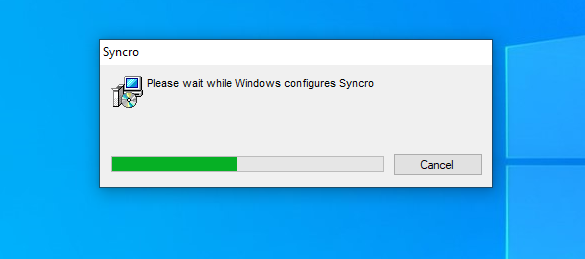
AI‑Generated Websites
Syncro remote access software is installed once the user downloads it from the fraudulent websites and launches it.

“This campaign highlights the evolving threat landscape where legitimate tools are being weaponised through AI-driven deception. By automating the creation of high-quality fake sites, cybercriminals can scale attacks efficiently, preying on users’ trust in familiar brands and urgent warnings. It’s a stark reminder that even signed software from seemingly reputable sources demands scrutiny,” comments Vladimir Gursky, malware analyst at Kaspersky.

To protect against these attacks, Kaspersky recommends avoiding downloads from unverified sources, especially on devices handling finances or cryptocurrencies.

Always verify website URLs against official ones before proceeding, and pay close attention to any remote access tools that are suggested for installation or that are already installed.

Additionally, enable anti-phishing features and conduct regular security audits with solutions such as Kaspersky Premium to mitigate risks from remote access exploits.

0Shares
Previous Post

Nutanix Assists Tsedey Bank Transition to Commercial Banking

Next Post

IN NUMBERS: Mastercard Sees 45% Growth across Africa in 2025

Peter Oluka

Peter Oluka

Peter Oluka (@peterolukai), editor of Techeconomy, is a multi-award winner practicing Journalist. Peter’s media practice cuts across Media Relations | Marketing| Advertising, other Communications interests. Contact: peter.oluka@techeconomy.ng

Related Posts

Nigerian jailed for romance scam

Nigerian Sentenced to 115 months in Jail for $700,000 Romance Scam

May 15, 2026
NETSCOUT DDoS Report

REPORT: NETSCOUT Hints on Shifting DDoS Attack Patterns in West Africa

May 13, 2026

Canvas Breach Raises Shared Infrastructure Questions

May 11, 2026
Load More
Next Post
Mastercard Africa in 2025

IN NUMBERS: Mastercard Sees 45% Growth across Africa in 2025

Leave a Reply Cancel reply

Your email address will not be published. Required fields are marked *

I agree to the Terms & Conditions and Privacy Policy.

This site uses Akismet to reduce spam. Learn how your comment data is processed.

Techeconomy Podcast
Techeconomy Podcast

The Techeconomy Podcast is a thought-leadership show exploring the powerful intersection of technology, business, and the economy, with a strong focus on Africa’s fast-evolving digital landscape.

PROTECTING INNOVATION IN AFRICA’S STARTUP ECOSYSTEM
byTecheconomy

Protecting Innovation in Africa’s Startup Ecosystem . A timely conversation for the future of African entrepreneurship.

PROTECTING INNOVATION IN AFRICA’S STARTUP ECOSYSTEM
April 29, 2026
Techeconomy
BUILDING TRUST IN AFRICA ECOSYSTEM
February 27, 2026
Techeconomy
Navigating a Career in Tech Sales
January 29, 2026
Techeconomy
How Technology is Transforming Education, Health, and Business
November 27, 2025
Techeconomy
INNOVATION IN MOBILE BANKING
October 30, 2025
Techeconomy
Search Results placeholder
ADVERTISEMENT
  • About Us
  • Careers
  • Contact Us
  • Privacy Policy

© 2026 TECHECONOMY.

No Result
View All Result
  • Technology
  • Business
  • Economy
  • Features
  • Editorial
  • Brand Content
  • TECHECONOMY TV

© 2026 TECHECONOMY.

This website uses cookies. By continuing to use this website you are giving consent to cookies being used. Visit our Privacy and Cookie Policy.


