

ADVERTISEMENT
Thursday, April 30, 2026
Tech | Business | Economy
No Result
View All Result
  • Technology
    • Trends
    • Telecoms
      • Broadband
    • ConsumerTech
      • Gadgets and Appliances
      • Apps
      • Accessories
      • Reviews
      • Unboxing
    • EnterpriseTECH
    • Security & Data Protection
    • How To
    • GameTech
  • Business
    • Company News
    • StartUPs
      • Founder’s Story
      • Funding
    • Deals
    • People & Moves
    • SME & Entrepreneur Focus
    • BUSINESS SENSE FOR SMEs
    • Competition & Market Positioning
    • Commerce & Mobility
    • Travel
    • WomenPreneurs
  • Economy
    • Macroeconomic Trends
      • Macro Monday
      • TE Insights
    • Finance
      • Banks
      • Fintech
      • Insurance
      • Digital Assets
      • Personal Finance
    • Policies
      • Tech & Society
    • Market Analysis
    • Jobs & Workforce Economy
  • Features
    • Guest Writer
      • Chidiverse
      • Digital Assets
    • EventDIARY
    • IndustryINFLUENCERS
    • MarkTECH
    • TBS
    • NewsEXTRA
  • Editorial
  • Brand Content
  • TECHECONOMY TV
Thursday, April 30, 2026
Tech | Business | Economy
No Result
View All Result
Tech | Business | Economy
No Result
View All Result

Home » RevengeHotels: How Cyber Syndicates Use AI to Target Hotel Guests

RevengeHotels: How Cyber Syndicates Use AI to Target Hotel Guests

Staff Writer by Staff Writer
September 23, 2025
in Security & Data Protection
Reading Time: 2 mins read
1
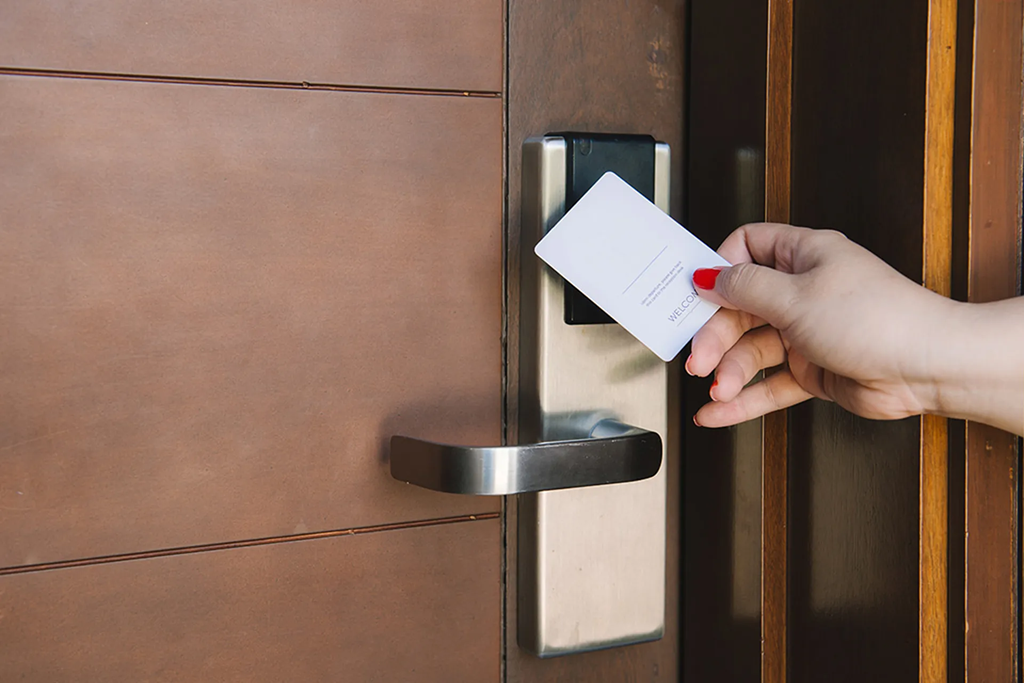
RevengeHotels How attackers Use AI on hotels

RevengeHotels: Attackers unleash AI on hotels

Between June and August 2025, Kaspersky’s Global Research and Analysis Team (GReAT) discovered a new wave of cyberattacks by a threat group called RevengeHotels, which targets hotels to gain access to guests’ payment information.

The group has been operating since 2015 and has since upgraded its methods.

The threat actor is now using Artificial Intelligence (AI) to make their attacks more effective and reach additional regions. Analysis shows that many of the new malicious programs used in these attacks contain code likely generated with AI, making them more sophisticated and harder to detect. 

While hotels in Brazil have been the main target to date, such cyberattacks have also been reported in other countries around the globe.

And considering that countries in Africa, including South Africa and Kenya, are popular tourist destinations, and Nigeria a popular business travel destination, it is important to consider that no country or hotel is immune to falling victim.  

How the attacks work 

The threat actor sends phishing emails directly to hotel staff, often disguised as requests for reservation or job applications.

Once a hotel employee interacts with these emails, malware called VenomRAT is installed on the hotel’s systems, giving attackers access to guests’ payment data and other sensitive information. The emails often look convincing, coming from legitimate-looking websites.  

“Сybercriminals are increasingly using AI to create new tools and make their attacks more effective. This means that even familiar schemes, like phishing emails, are becoming harder to spot for a common user. For hotel guests, this translates into higher risks of card and personal data theft, even when you trust well-known hotels,” comments Lisandro Ubiedo, expert at Kaspersky’s Global Research and Analysis Team. 

To stay safe, Kaspersky recommends: 

Subscribe to our Telegram channel for the latest updates.

Follow the latest developments with instant alerts on breaking news, top stories, and trending headlines.

Join Channel

Even if an email seems friendly, treat links and attachments with care. To protect your company, use solutions from the Kaspersky Next product line that provide real-time protection, threat visibility, investigation and response capabilities of EDR and XDR for organisations of any size and in any industry. 

Cybercriminals often distribute fake email messages mimicking email notifications from an online store or a bank, luring a user to click on a malicious link and distribute malware.

If attackers are specifically targeting your organisation, the email text may be more customised, mimicking services or scenarios familiar to your company. With that in mind, fine-tune your antispam settings and never open attachments sent by an unknown sender. 

Try not to open unexpected files sent by you massively.

They may be ransomware or even spyware, even attachments from official-looking emails.

0Shares

Previous Post

In 18 Months, Computer Village Will Leave Ikeja for Katangowa ICT Park

Next Post

Air Tanzania Taps SAHCO to Handle its Ground Services in Nigeria

Staff Writer

Staff Writer

Related Posts

Oluwole Asalu on data and privacy, Personalisation and AI | infrastructure in Nigeria | Nigeria digital defences

Why Nigeria’s Digital Defences Must Evolve or Risk Being Overwhelmed

April 30, 2026
Dr Vincent Olatunji - Nigeria Data Protection Commission - NDPC speaks on DPCOs | Nigeria records cyber attacks

Nigeria Records 4,000 Weekly Attacks amid $10.5tn Global Cybercrime – Olatunji

April 30, 2026

DG NITDA Calls for Urgent Action on AI-Driven Cyber Threats

April 23, 2026
Load More
Next Post
Air Tanzania and SAHCO PLC

Air Tanzania Taps SAHCO to Handle its Ground Services in Nigeria

Comments 1

  1. Pingback: RevengeHotels: How Cyber Syndicates Use AI to Target Hotel Guests | Tech | Business – Nigeria News Update

Leave a Reply Cancel reply

Your email address will not be published. Required fields are marked *

I agree to the Terms & Conditions and Privacy Policy.

This site uses Akismet to reduce spam. Learn how your comment data is processed.

Techeconomy Podcast
Techeconomy Podcast

The Techeconomy Podcast is a thought-leadership show exploring the powerful intersection of technology, business, and the economy, with a strong focus on Africa’s fast-evolving digital landscape.

PROTECTING INNOVATION IN AFRICA’S STARTUP ECOSYSTEM
byTecheconomy

Protecting Innovation in Africa’s Startup Ecosystem . A timely conversation for the future of African entrepreneurship.

PROTECTING INNOVATION IN AFRICA’S STARTUP ECOSYSTEM
April 29, 2026
Techeconomy
BUILDING TRUST IN AFRICA ECOSYSTEM
February 27, 2026
Techeconomy
Navigating a Career in Tech Sales
January 29, 2026
Techeconomy
How Technology is Transforming Education, Health, and Business
November 27, 2025
Techeconomy
INNOVATION IN MOBILE BANKING
October 30, 2025
Techeconomy
Search Results placeholder
  • About Us
  • Careers
  • Contact Us
  • Privacy Policy

© 2026 TECHECONOMY.

No Result
View All Result
  • Technology
  • Business
  • Economy
  • Features
  • Editorial
  • Brand Content
  • TECHECONOMY TV

© 2026 TECHECONOMY.

This website uses cookies. By continuing to use this website you are giving consent to cookies being used. Visit our Privacy and Cookie Policy.


