

ADVERTISEMENT
Wednesday, April 29, 2026
Tech | Business | Economy
No Result
View All Result
  • Technology
    • Trends
    • Telecoms
      • Broadband
    • ConsumerTech
      • Gadgets and Appliances
      • Apps
      • Accessories
      • Reviews
      • Unboxing
    • EnterpriseTECH
    • Security & Data Protection
    • How To
    • GameTech
  • Business
    • Company News
    • StartUPs
      • Founder’s Story
      • Funding
    • Deals
    • People & Moves
    • SME & Entrepreneur Focus
    • BUSINESS SENSE FOR SMEs
    • Competition & Market Positioning
    • Commerce & Mobility
    • Travel
    • WomenPreneurs
  • Economy
    • Macroeconomic Trends
      • Macro Monday
      • TE Insights
    • Finance
      • Banks
      • Fintech
      • Insurance
      • Digital Assets
      • Personal Finance
    • Policies
      • Tech & Society
    • Market Analysis
    • Jobs & Workforce Economy
  • Features
    • Guest Writer
      • Chidiverse
      • Digital Assets
    • EventDIARY
    • IndustryINFLUENCERS
    • MarkTECH
    • TBS
    • NewsEXTRA
  • Editorial
  • Brand Content
  • TECHECONOMY TV
Wednesday, April 29, 2026
Tech | Business | Economy
No Result
View All Result
Tech | Business | Economy
No Result
View All Result

Home » True Cost of Covid-19 for Africa’s Healthcare System

True Cost of Covid-19 for Africa’s Healthcare System

Techeconomy by Techeconomy
February 10, 2022
in Guest Writer
Reading Time: 2 mins read
0
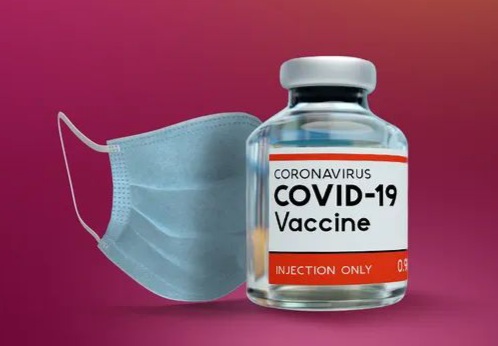
COVID-19 Vaccine - NG_CARES

COVID-19 Vaccine

When Covid-19 struck, there was great concern that healthcare facilities around the world would be overwhelmed.

The predictions for Africa were particularly dire. Fortunately, we didn’t witness the kind of devastation anticipated. But that doesn’t mean our healthcare systems didn’t suffer – often experiencing a range of hidden costs.

Take the Kenyan Ear, Nose and Throat Society, of which I am executive committee member, as an example.

At the onset of the pandemic, the Society implemented strict guidelines for members. We had to double mask with N95 face masks which, being medical grade, are more expensive than regular face masks, and change gowns between patients.

These decisions saved lives – but they also increased hospitals’ operational costs, which are now being passed on to patients in the form of higher healthcare prices.

Subscribe to our Telegram channel for the latest updates.

Follow the latest developments with instant alerts on breaking news, top stories, and trending headlines.

Join Channel

Tragically, we have also lost many healthcare workers – heroes who put their lives on the line for the public good. Families and friends feel that loss most poignantly.

And it is a loss to our health systems too. In Africa, we grapple with the lowest ratio of healthcare workers per population.

It is estimated that the global shortage of healthcare workers will be most significant in Africa, with a shortage of around 6 million healthcare workers by 2030.

The pandemic also cost us progress on other public health priorities, including HIV/Aids, tuberculosis (TB) and malaria. Experts warn that the pandemic has effectively derailed years of public health progress.

So, we need to get every eligible person vaccinated. Particularly healthcare workers. According to the World Health Organisation, only 27% of health workers in Africa have been fully vaccinated, leaving the majority exposed to severe Covid-19 infection.

As a result, since March 2020 there have been more than 150 400 Covid-19 infections among healthcare workers alone.

We know that vaccines save lives. A study by Public Health England conducted in June 2021 revealed that the Pfizer vaccine is 96% effective against the Delta variant after two doses, while AstraZeneca’s vaccine provides 92% protection against hospitalisation caused by the same variant.

Early indications are that they provide good protection against severe illness and hospitalisation even with the new Omicron variant.

Vaccines save lives. And we know that they’re the best way of securing our economies. But here’s another reason vaccines are so important: they will help to shore up our public health sector – and stem the losses.


0Shares

Previous Post

MassComm Media Will Remain Strategic Partners to NCC – Danbatta

Next Post

Huawei Ads Empowers Advertisers to Reach Millions Using its Smart Device and App

Techeconomy

Techeconomy

Related Posts

Introducing PARE

PARE: A Leadership Framework for Clarity, Growth and Relevance

April 29, 2026
Ememobong Udofot | FlashChange | The Future of Fintech | Visibility Trap

The Visibility Trap

April 22, 2026

How Cybersecurity is Reshaping Nigeria’s National Security Conversation

April 21, 2026
Load More
Next Post

Huawei Ads Empowers Advertisers to Reach Millions Using its Smart Device and App

Leave a Reply Cancel reply

Your email address will not be published. Required fields are marked *

I agree to the Terms & Conditions and Privacy Policy.

This site uses Akismet to reduce spam. Learn how your comment data is processed.

Techeconomy Podcast
Techeconomy Podcast

The Techeconomy Podcast is a thought-leadership show exploring the powerful intersection of technology, business, and the economy, with a strong focus on Africa’s fast-evolving digital landscape.

PROTECTING INNOVATION IN AFRICA’S STARTUP ECOSYSTEM
byTecheconomy

Protecting Innovation in Africa’s Startup Ecosystem . A timely conversation for the future of African entrepreneurship.

PROTECTING INNOVATION IN AFRICA’S STARTUP ECOSYSTEM
April 29, 2026
Techeconomy
BUILDING TRUST IN AFRICA ECOSYSTEM
February 27, 2026
Techeconomy
Navigating a Career in Tech Sales
January 29, 2026
Techeconomy
How Technology is Transforming Education, Health, and Business
November 27, 2025
Techeconomy
INNOVATION IN MOBILE BANKING
October 30, 2025
Techeconomy
Search Results placeholder
  • About Us
  • Careers
  • Contact Us
  • Privacy Policy

© 2026 TECHECONOMY.

No Result
View All Result
  • Technology
  • Business
  • Economy
  • Features
  • Editorial
  • Brand Content
  • TECHECONOMY TV

© 2026 TECHECONOMY.

This website uses cookies. By continuing to use this website you are giving consent to cookies being used. Visit our Privacy and Cookie Policy.

